
Last updated November 25, 2026
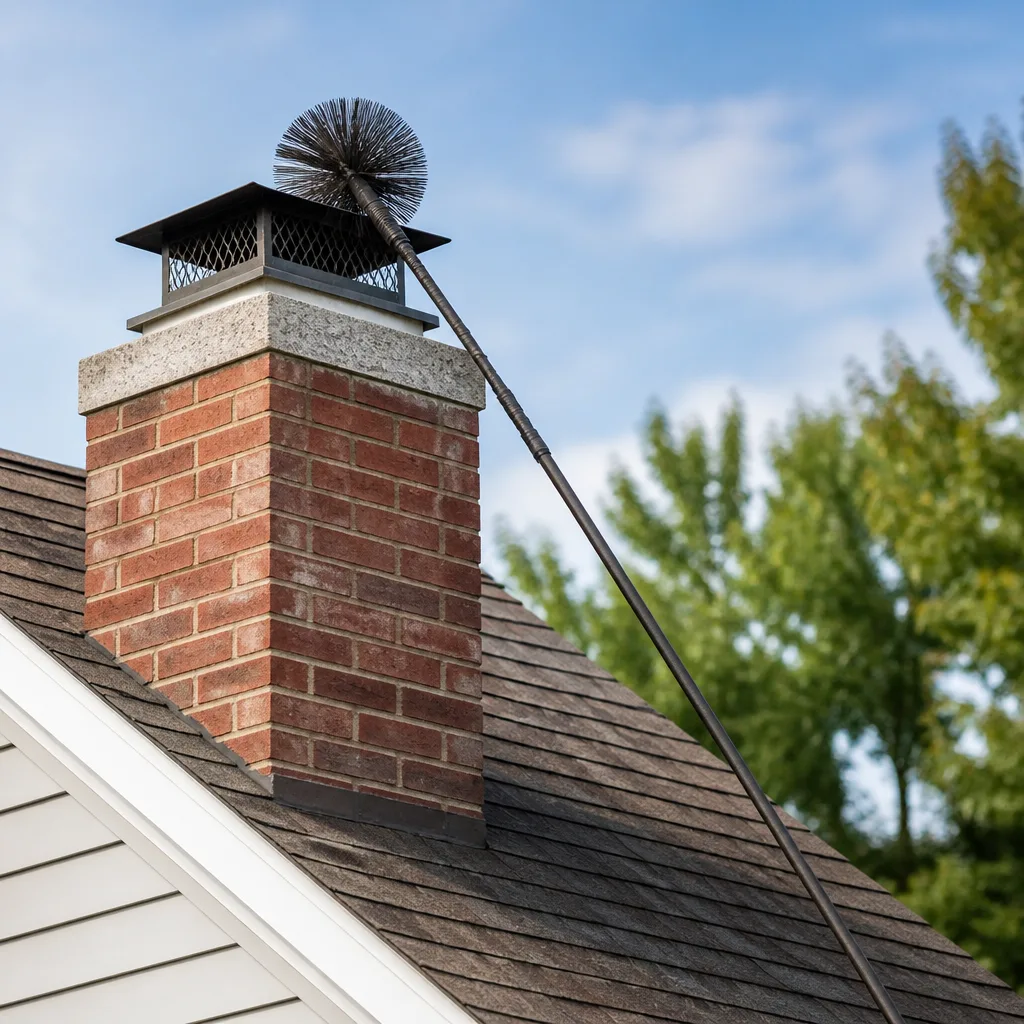 Sweep & inspection
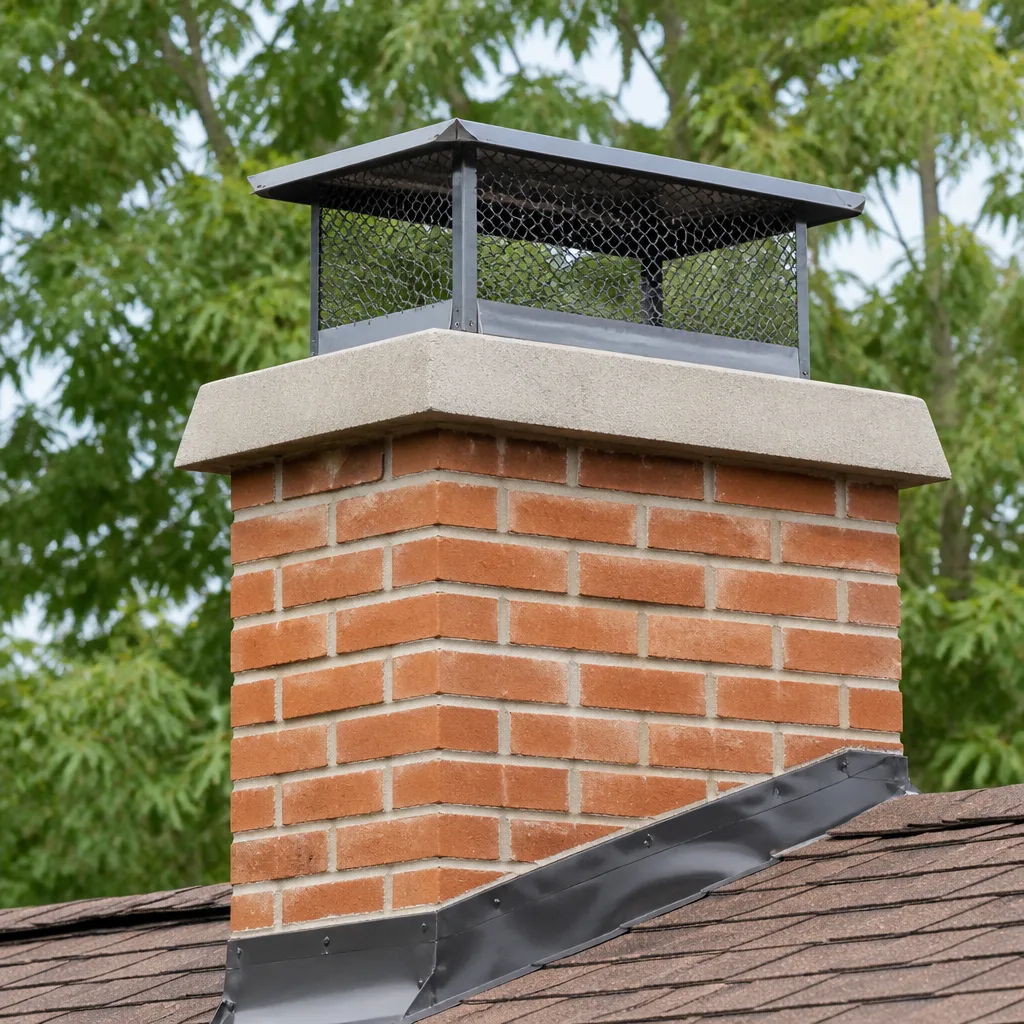 Caps & crowns
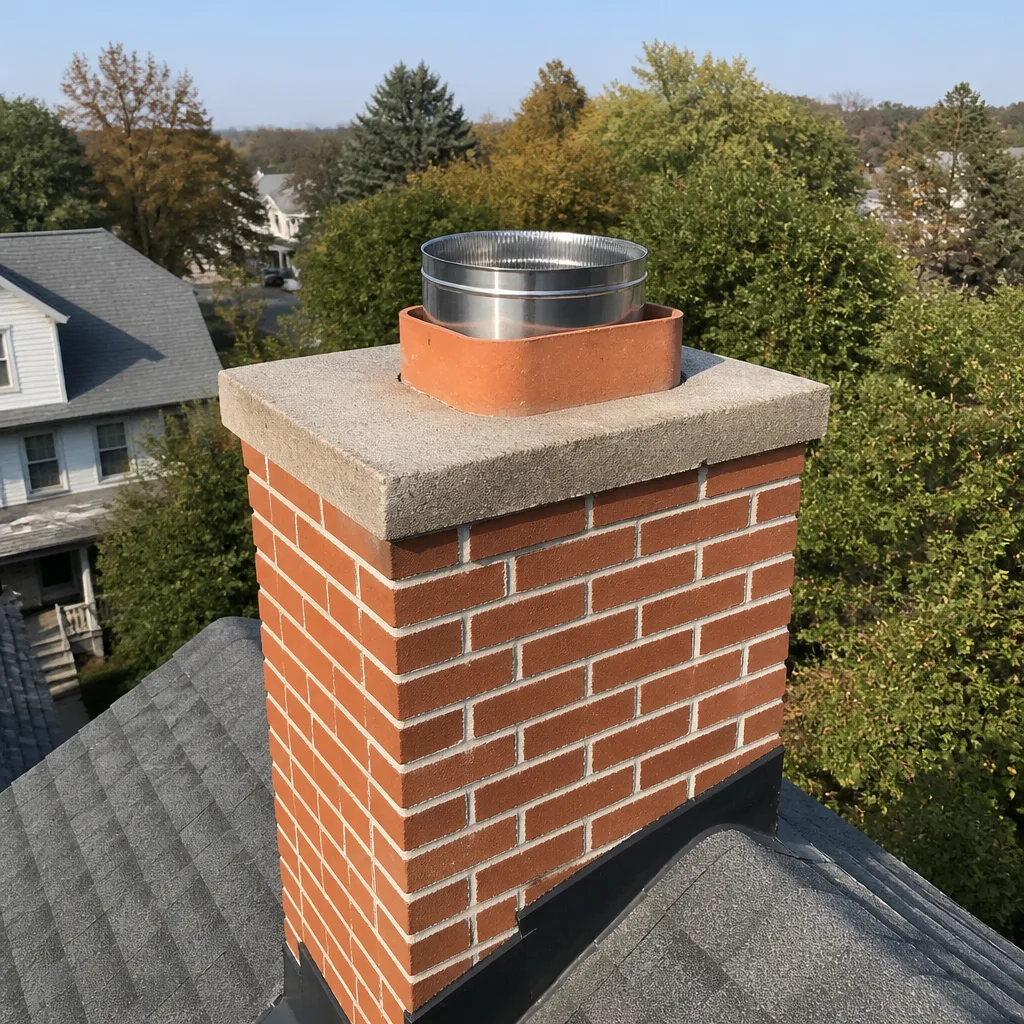 Flue relining
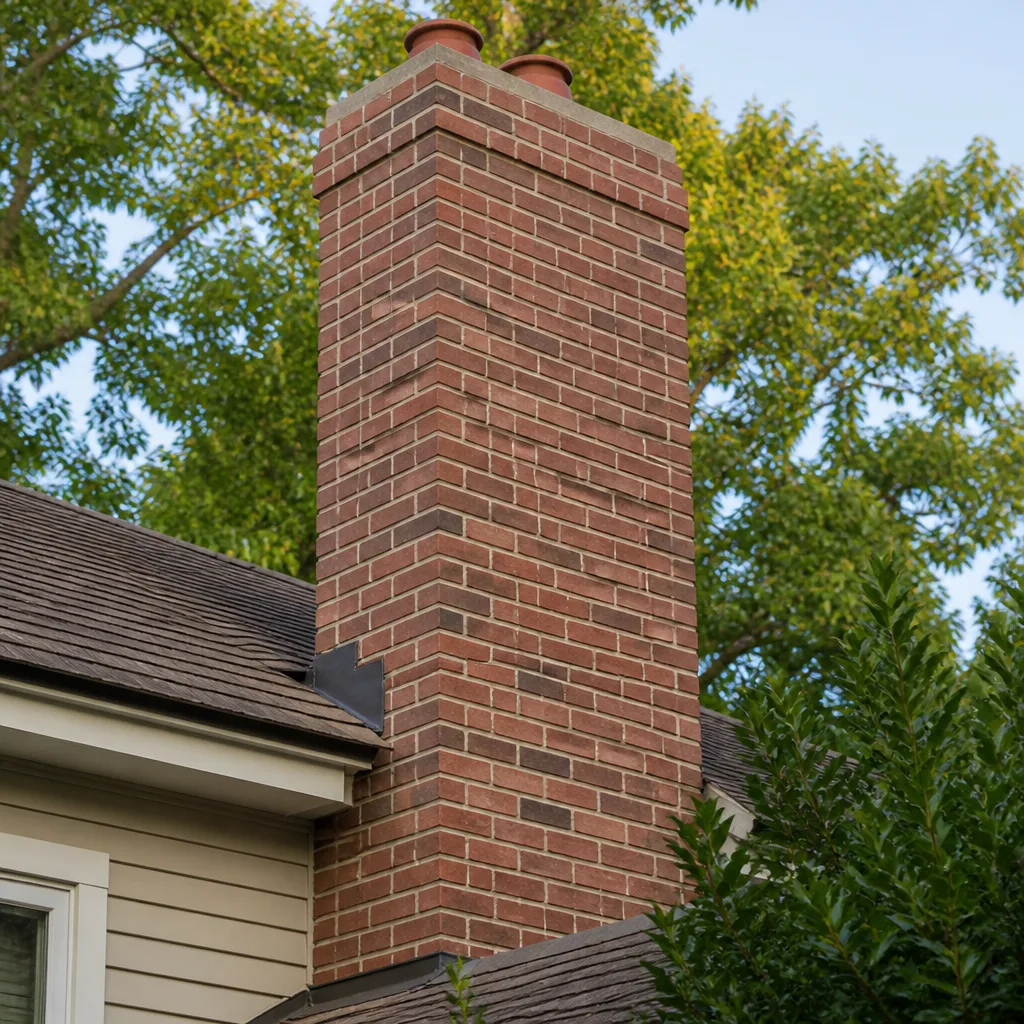 Masonry repair
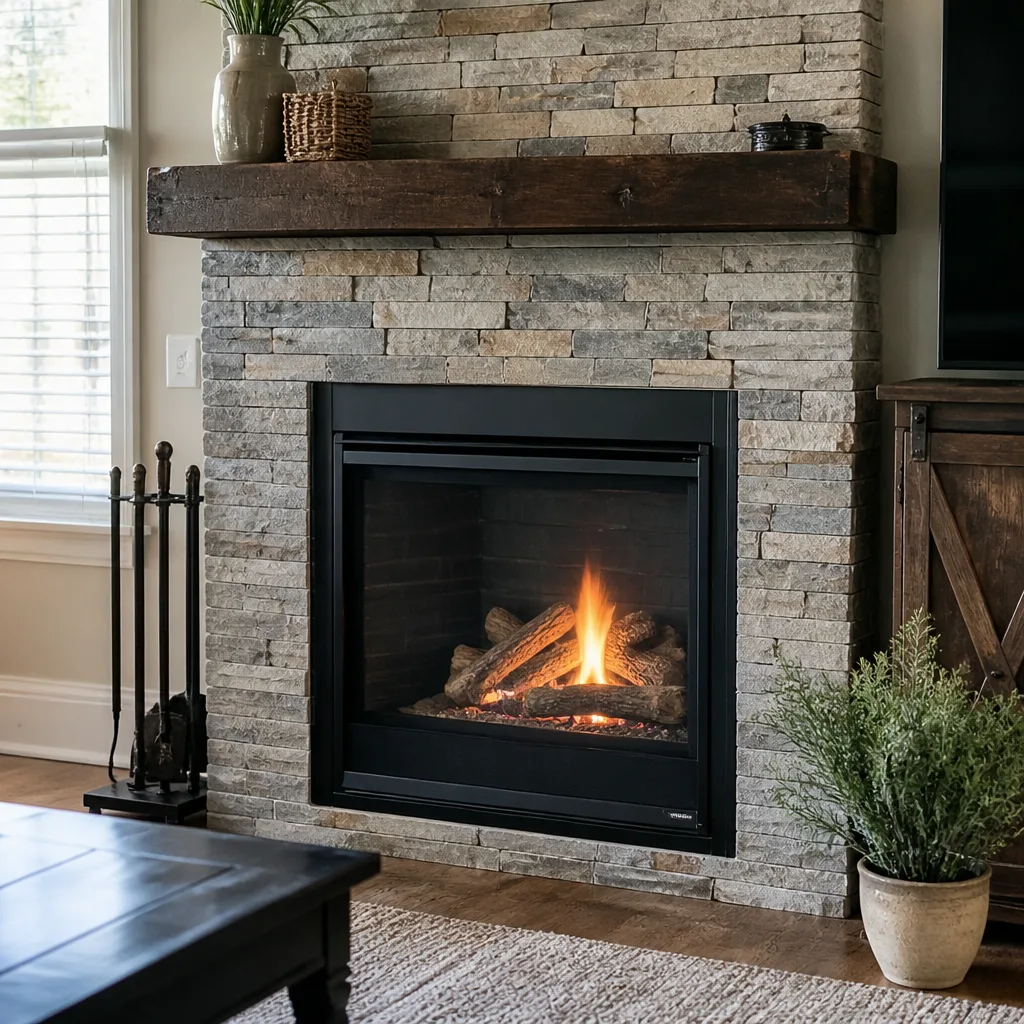 Gas fireplace service
Level 1 sweep and inspection to the NFPA 211 annual standard - flue, crown, cap, and flashing checked and photographed
Chimney sweep logs do not sweep chimneys. They loosen some creosote - which then falls where a brush and vacuum still have to collect it.
Chimney Cleaning Emergency Preparedness Guide for Lake City Homes
Most chimney problems don’t announce themselves. A flue can look fine at one cleaning and be quietly compromised by the next heating season, and the gap between “we should get that looked at” and “get everyone out of the house” is often one hot fire. During a chimney fire, the flue temperature can climb past 2,000°F, which is hot enough to crack terra cotta liner tiles, char adjacent framing, and turn a system that looked sound last year into a rebuild. The first five minutes decide which one you’re facing. This guide walks Lake City homeowners through recognizing a chimney fire, what to do while it’s happening and afterward, how carbon monoxide and backdrafting emergencies present, what your insurer will want, and the two annual tasks that keep you out of all of it.
Quick Answer
A chimney fire emergency in Lake City means get everyone out, call 911, and don’t use that fireplace again until a certified inspector has done a Level 2 inspection with a camera. If you smell gas, hear roaring or popping from the flue, see sparks or dense smoke from the chimney top, or anyone has a headache, nausea, or confusion in a room with a gas appliance venting through the chimney, treat it as an emergency. After the fire department leaves, a professional inspection and a written report are what protect both your home and your insurance claim.
Styles & brands we work with
- Sweep & inspection
- Caps & crowns
- Flue relining
- Masonry repair
- Gas fireplace service
Table of Contents
- How Do You Recognize a Chimney Fire While It’s Happening?
- What Should You Do in the First Five Minutes?
- What Happens After the Fire Department Leaves?
- What Does a Level 2 Inspection Actually Look For?
- Carbon Monoxide and Backdrafting: The Quieter Emergency
- What to Gather Before You Call Your Insurance Company
- Pre-Emergency Preparedness: The Two Annual Tasks
- Why Lake City’s Heating Season Sets the Risk Window
How Do You Recognize a Chimney Fire While It’s Happening?
A chimney fire isn’t always the dramatic, roaring event people picture. Some are slow and smoldering, which is exactly what makes them dangerous. What separates a true chimney fire from a normal fire is creosote igniting inside the flue itself, above the firebox, where you can’t see it directly. That’s why the signs come through your senses before you see flames.
Listen for a low rumble or roaring that sounds like a freight train or a distant jet, a popping or cracking noise, or a tapping sound that could be mistaken for a bird or debris hitting the flue. Look up: sparks or flames shooting from the top of the chimney, thick dark smoke that lingers, or a shimmer of heat above the roofline are strong indicators. Feel for intense heat radiating from the fireplace surround, the chimney breast, or the flue pipe on a gas appliance. Smell for a sharp, acrid odor or a sudden burning smell that doesn’t match what’s in the firebox.
Some chimney fires burn hot and fast and consume their own fuel within minutes. Others smolder quietly for hours, damaging liner tiles without ever giving off visible flames. In our experience, the smoldering kind is the one that surprises people after a Lake City winter, because the fire was small, the chimney looked fine, and nobody thought to look further. If anything on that list sounds familiar during or after a fire, treat it as an emergency and act.
What Should You Do in the First Five Minutes?
Get people out first, then call. Everything else happens after that. Here’s the order of operations if you suspect a chimney fire in progress.
- Get everyone out of the house and away from the chimney side of the building. Gather at a spot well clear of the roofline where sparks or falling debris could land.
- Call 911. Describe a possible chimney fire and give your address. Do not wait to see whether it “gets better.”
- Close the fireplace doors or damper if you can do so safely and without reaching over the fire. Cutting oxygen can slow the burn, but only if the firebox is accessible and you aren’t exposing yourself to heat or smoke.
- Don’t spray water into the firebox or down the flue. A sudden temperature change can crack tiles or shatter a hot flue, and on a masonry chimney it can superheat steam inside the structure.
- Don’t go up on the roof. Roof access during an active fire is a fall and burn hazard. Leave the chimney to the fire department.
- Have your chimney serviced before the next fire. Even if the fire department says the fire looks out, the flue needs a full inspection before it’s used again.
Notice what’s not on this list: trying to diagnose the fire yourself, or calling a contractor first. Emergency response comes before contractor response. Once the fire department has cleared the scene, that’s when you call for a professional inspection and repair. Call (833) 703-5416. We answer 24/7. Fast dispatch from 7am to 7pm, Sunday through Friday.
What Happens After the Fire Department Leaves?
The fire truck pulling away from your Lake City street is not the end of the emergency. It’s a scene cleared for safety, not a system cleared for use. The fire department’s job is to put out the fire and make sure your home isn’t currently burning. It is not their job to evaluate the flue, and they typically won’t. That work falls to a certified chimney inspector, and it needs to happen before you use the fireplace or the gas appliance venting through that chimney again.
Here’s why: a chimney fire can crack or spall the liner, warp a metal liner, damage the crown, open gaps at the flue joints, or leave creosote deposits that are ripe for reignition the next time you light a fire. None of that is visible from the firebox. The most common scenario we see after a chimney fire in Lake City is a flue that looks intact from the bottom and has significant liner damage higher up that only a camera reveals.
An important point on insurance and on timing: a chimney fire isn’t an emergency for your schedule, it’s an emergency for your system. Lighting a fire before the inspection turns a repairable liner into a house fire. Don’t. The inspection can usually be scheduled promptly, and if the system turns out to be safe to use, that’s a few hundred dollars well spent on certainty. If it isn’t, you’ve caught the problem before round two.
What Does a Level 2 Inspection Actually Look For?
A Level 2 inspection is the standard that applies after a chimney fire, a change of fuel type, a property transfer, or an event that could have damaged the flue. It’s more than a look-see from the firebox. It includes a video camera scan of the interior of the flue, and for masonry chimneys the inspector may also examine accessible portions of the exterior and the attic or crawlspace where the chimney passes through.
Here’s what the inspector is checking, and why each item matters:
- Liner integrity. Terra cotta tiles can crack, spall, or separate at the joints. A cracked liner tile is a path for heat and gases into the structure. On a gas appliance, an undetected crack is a carbon monoxide pathway.
- Metal liner condition. If the flue has been relined already, the inspector checks for warping, seam separation, and corrosion.
- Creosote levels and glazed creosote. Glazed, tar-like creosote is the hard, shiny stage that doesn’t brush off easily and needs specific treatment.
- Chimney cap and crown condition. A cracked crown or a missing cap lets water in, which degrades mortar and accelerates liner damage. This is why we specify caps and crowns from dedicated chimney manufacturers like Gelco and Famco rather than big-box hardware.
- Flue clearances and connections. The inspector looks at how the appliance connects to the flue and whether clearances to combustibles have been maintained.
- Obstructions. Nests, fallen tiles, and debris are common after a fire or a long summer of disuse.
Ask for the camera footage and a written report. This is central to how we work: nothing gets recommended that the homeowner can’t see with their own eyes. If the flue is fine, we say so. If it isn’t, the footage shows exactly where and how badly. Call (833) 703-5416 for a free estimate.
Carbon Monoxide and Backdrafting: The Quieter Emergency
Chimney fires get the attention, but chimney-related carbon monoxide intrusion is the emergency people miss because it doesn’t look or sound like an emergency. It feels like a headache, or the flu, or just a bad afternoon.
Carbon monoxide is colorless and odorless. On a gas furnace, water heater, or gas fireplace vented through a chimney, a cracked liner, a blocked flue, a disconnected vent, or a backdraft that pushes exhaust back into the living space can put CO into the house without any visible sign. Backdrafting happens when the chimney isn’t drafting correctly, often because of negative pressure in the home, an obstruction, or a flue that’s too cold or too large for the appliance. Instead of going up and out, exhaust comes back in.
Watch for these symptoms, especially in rooms near the chimney or appliance:
- Headaches, dizziness, nausea, or fatigue that improve when you leave the house and return when you come back
- Confusion or drowsiness that seems out of proportion to the situation
- Flames that burn with a lazy, yellowish or orange color rather than a steady blue on a gas appliance
- Soot, black marks, or moisture on the appliance or near the vent
- A pilot light that keeps going out or a burner that behaves erratically
If anyone in the house has these symptoms, get everyone out and call 911 or the fire department from outside. Don’t try to find the leak yourself. After the home has been cleared, the chimney needs an inspection before that appliance is used again. Our technicians have up to 12 years of experience, and we treat CO concerns as a diagnostic priority. Call (833) 703-5416.
What to Gather Before You Call Your Insurance Company
A chimney fire claim lives or dies on documentation. The more you have organized before the first phone call, the smoother the claim.
- Photos and video of the damage before anything is cleaned or moved. The exterior of the chimney, the firebox, the room, and anything affected by smoke or water. Take these as soon as it’s safe to re-enter.
- The fire department report. Request a copy. It establishes the date and nature of the event.
- A Level 2 inspection report and camera footage. This is the document your adjuster will care about most, because it shows the actual condition of the flue and what needs repair.
- Maintenance records. Receipts or reports from prior cleanings and inspections show you’ve maintained the system.
- Written contractor estimate. Get this in writing, broken out by scope. A written estimate with clear line items makes the claim easier to settle.
One thing worth knowing: the contractor you call first affects how the claim goes. An inspector who documents the damage with camera evidence and a written report gives your adjuster something concrete to work with. We work from a camera-first process for exactly this reason, and we can work with your insurer through the documentation. We don’t hand off to another contractor mid-claim; the same company that inspects can repair, reline, and replace the cap and crown if needed. Call (833) 703-5416.
Pre-Emergency Preparedness: The Two Annual Tasks
Every emergency in this guide has a prepared version and an unprepared version, and the difference is two annual tasks: cleaning and inspection. In Washington state, insurers may require that your chimney be maintained and inspected to honor a fire damage claim involving the chimney system. A clean, documented chimney is the difference between a claim that stands and a claim that stalls.
Here’s what a sensible annual plan looks like for a Lake City home with a wood-burning fireplace:
- Annual cleaning (sweep). A professional chimney sweep removes creosote and soot. The National Fire Protection Association recommends chimneys be inspected annually and cleaned as needed. If you burn regularly through the heating season, plan on a sweep every year; if you burn occasionally, the sweep frequency may be less but the annual inspection still applies.
- Annual inspection. Even a swept chimney needs a look at the liner, cap, crown, and connections. The inspection is how you catch the cracked tile, the spalling mortar, or the damaged cap before it becomes a fire or CO problem.
If your chimney has a damaged liner, HeatShield resurfacing can restore it without the cost of full relining in cases where the flue qualifies. For flues that need full relining, DuraFlex flexible stainless liner systems are the industry standard for older and offset flues. Knowing which one you need is an inspection question, not a guess. One inspection can tell you whether you need a sweep, a repair, or nothing at all, and we’ll be straight with you. Call (833) 703-5416 for a free estimate.
Why Lake City’s Heating Season Sets the Risk Window
Lake City sits in western Washington, where the heating season is long and often wet, and that shapes chimney risk in a few specific ways. Cooler, damper weather means fires burn more hours a year, which means more creosote accumulates between cleanings. A slow, cool-burning fire produces more creosote than a hot one, and a damper flue is a cool flue.
Rain is the other factor. A damaged or missing cap lets water into the chimney, and water is the quiet enemy of masonry. It degrades mortar, accelerates spalling, and can rust a metal liner from the inside. Gelco and Famco caps are made for this climate specifically because they’re built for chimney systems, not repurposed from generic hardware. The crown, the sloped concrete top of the chimney, is the other moisture defense; a cracked crown channels water straight into the structure.
The practical takeaway for Lake City: get the inspection done before the first cold snap, not after the first fire. The pre-season window (typically late summer into early fall) is when you want the sweep and inspection, so repairs can happen before you need the fireplace. If you’re reading this mid-season and haven’t had the chimney looked at, now is still the right time. The fireplace doesn’t care what month it is. Call (833) 703-5416. We answer 24/7. Fast dispatch from 7am to 7pm, Sunday through Friday.
The Whole System, Not Just the Flue You Can See
A chimney is a system, and an emergency rarely touches just one part of it. A chimney fire can damage the liner and the crown; a cracked crown lets water in that damages the liner; a missing cap lets debris in that blocks the flue and causes backdrafting. That’s why we work on the whole system rather than just the flue you can see. Our chimney cap & crown work uses Gelco and Famco products because moisture protection from a dedicated chimney manufacturer outlasts generic hardware. Our fireplace repair covers the firebox side of the system, and our relining uses DuraFlex systems specified for the flue. From cap to firebox, everything under one contractor. You won’t be passed from a sweep to a mason to a roofer. One company, one diagnosis, one plan, and one written estimate. If you want the full picture of what we do, start at Chimney Sweep Lake City.
See the difference
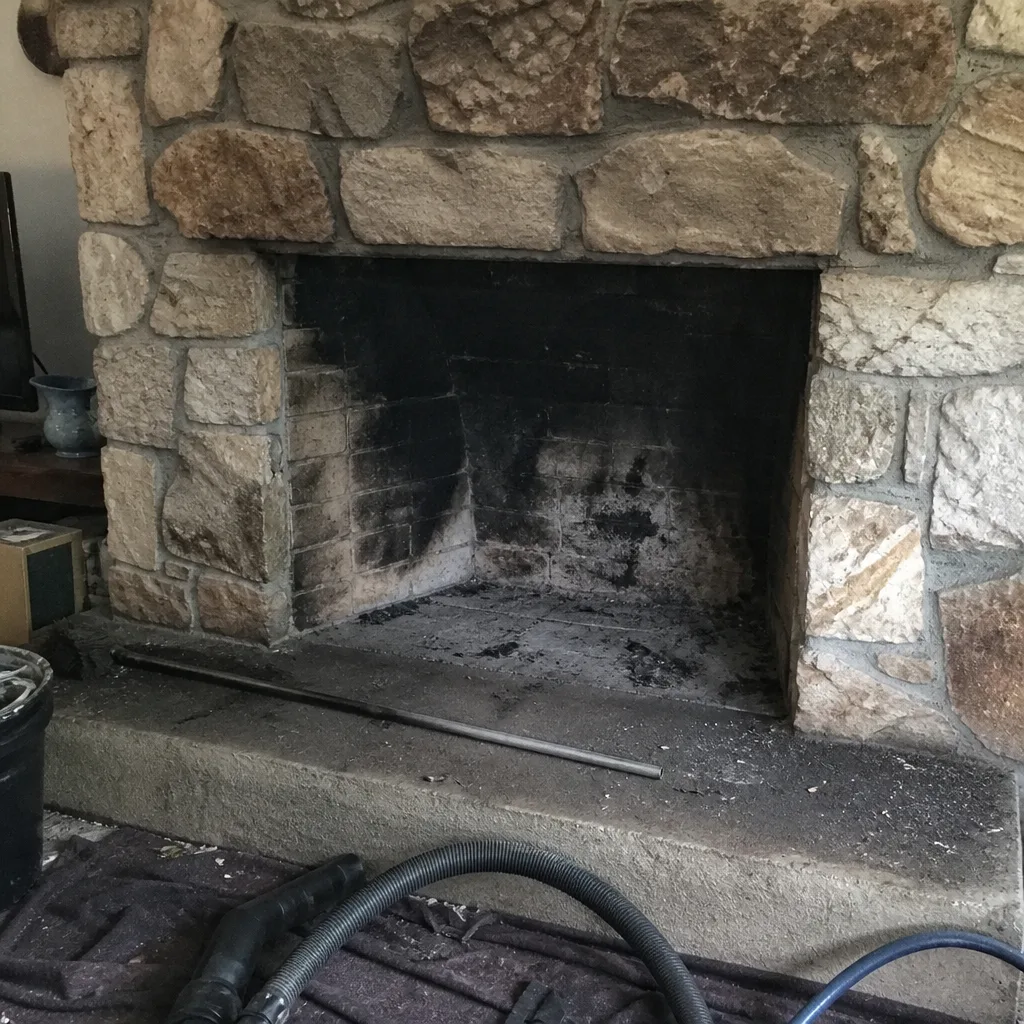 Before
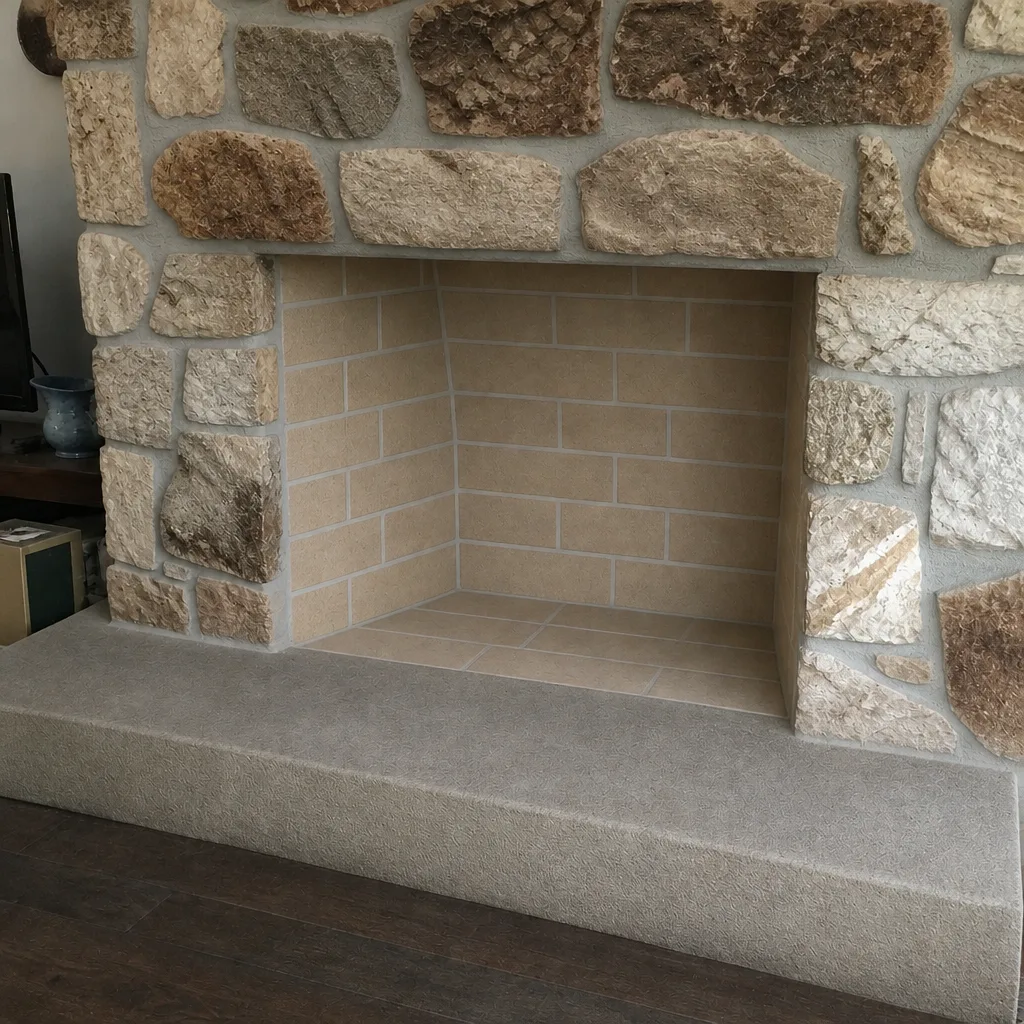 After
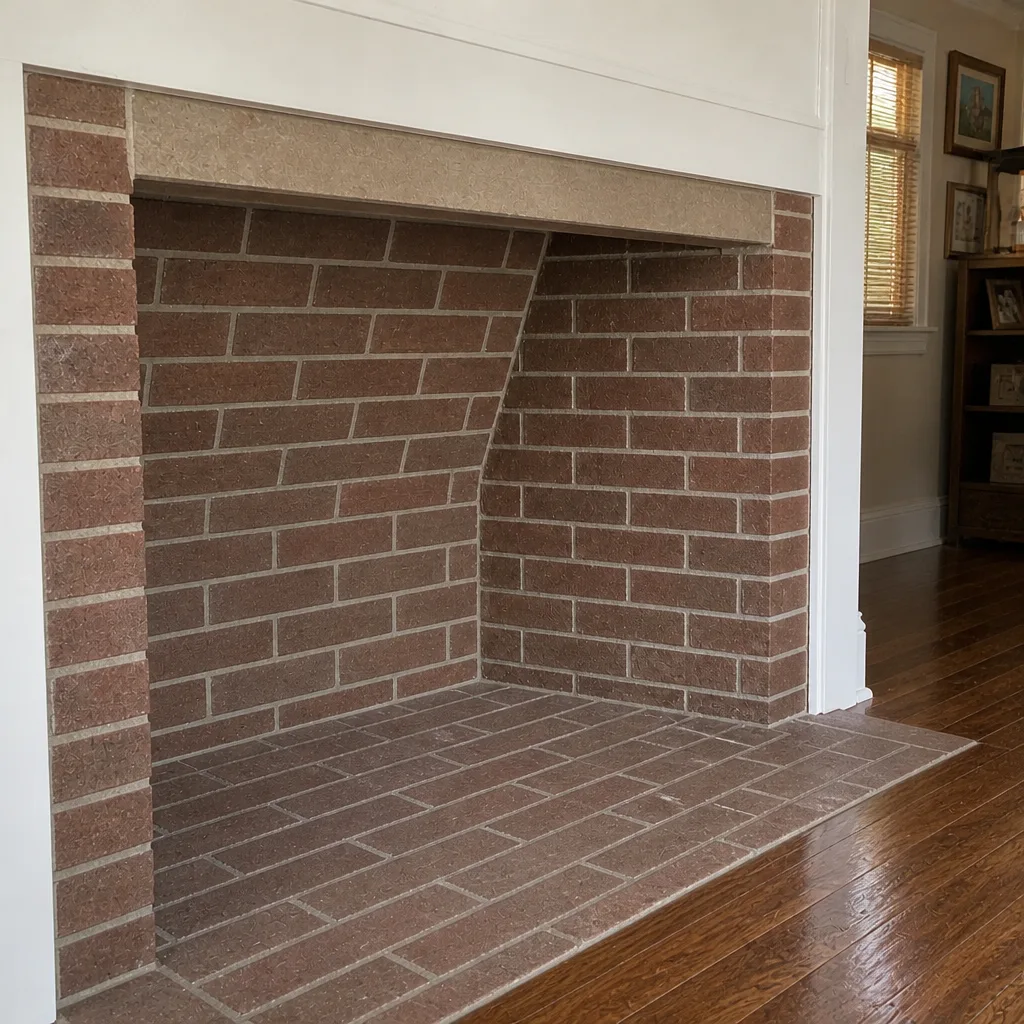
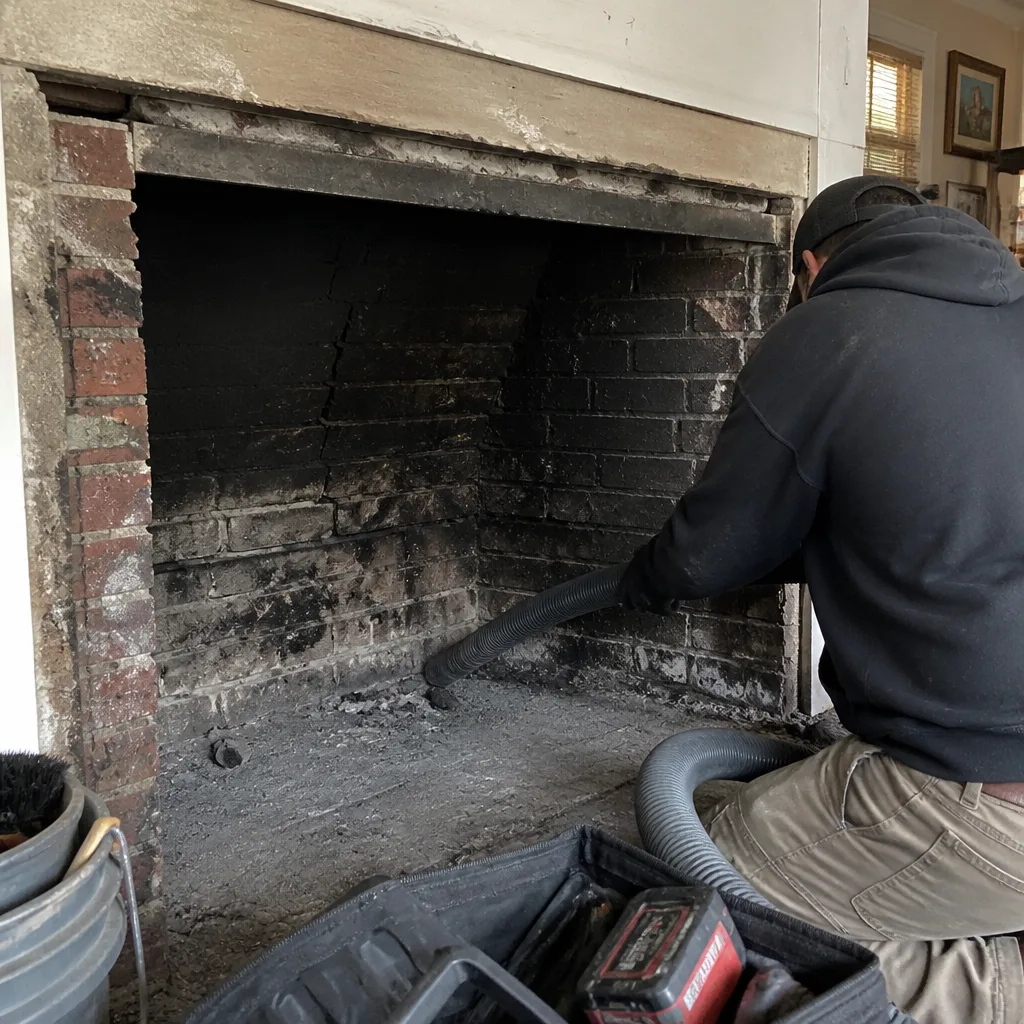 Before
 After
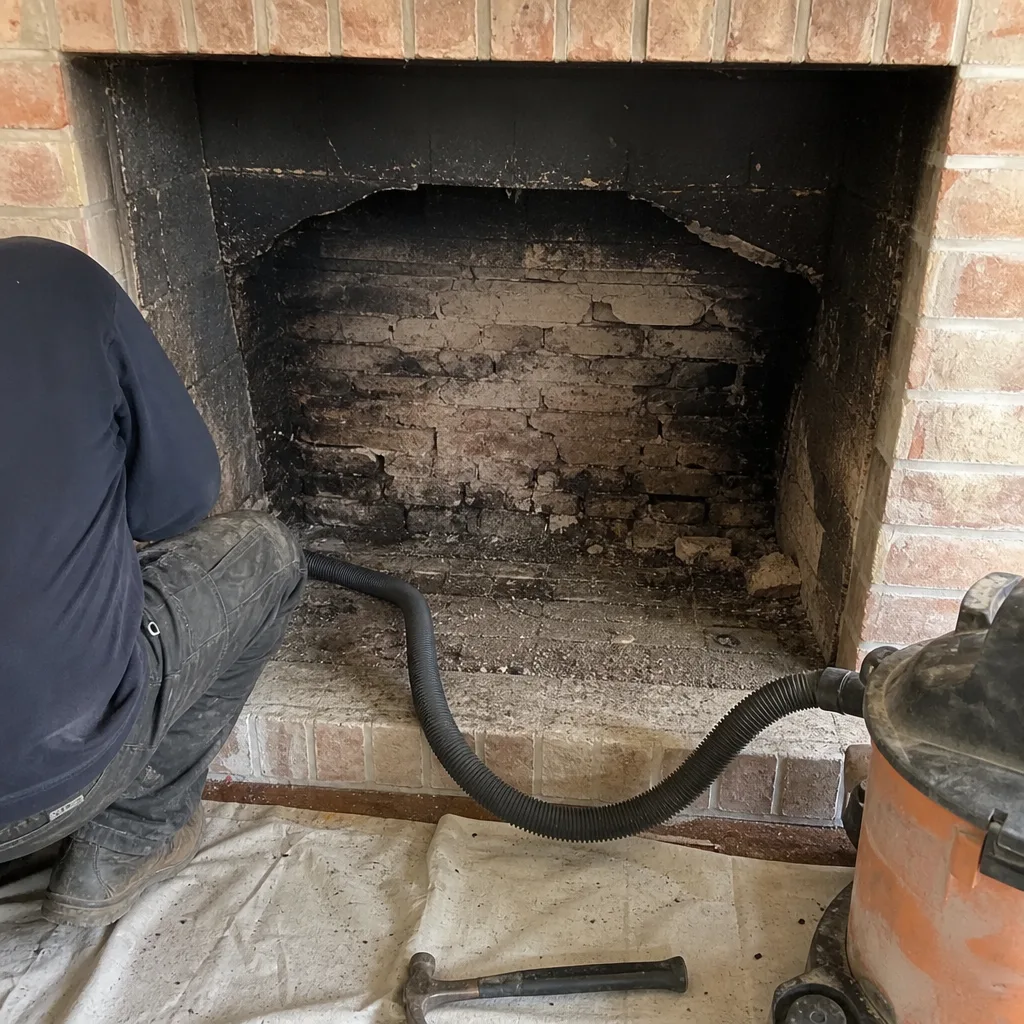 Before
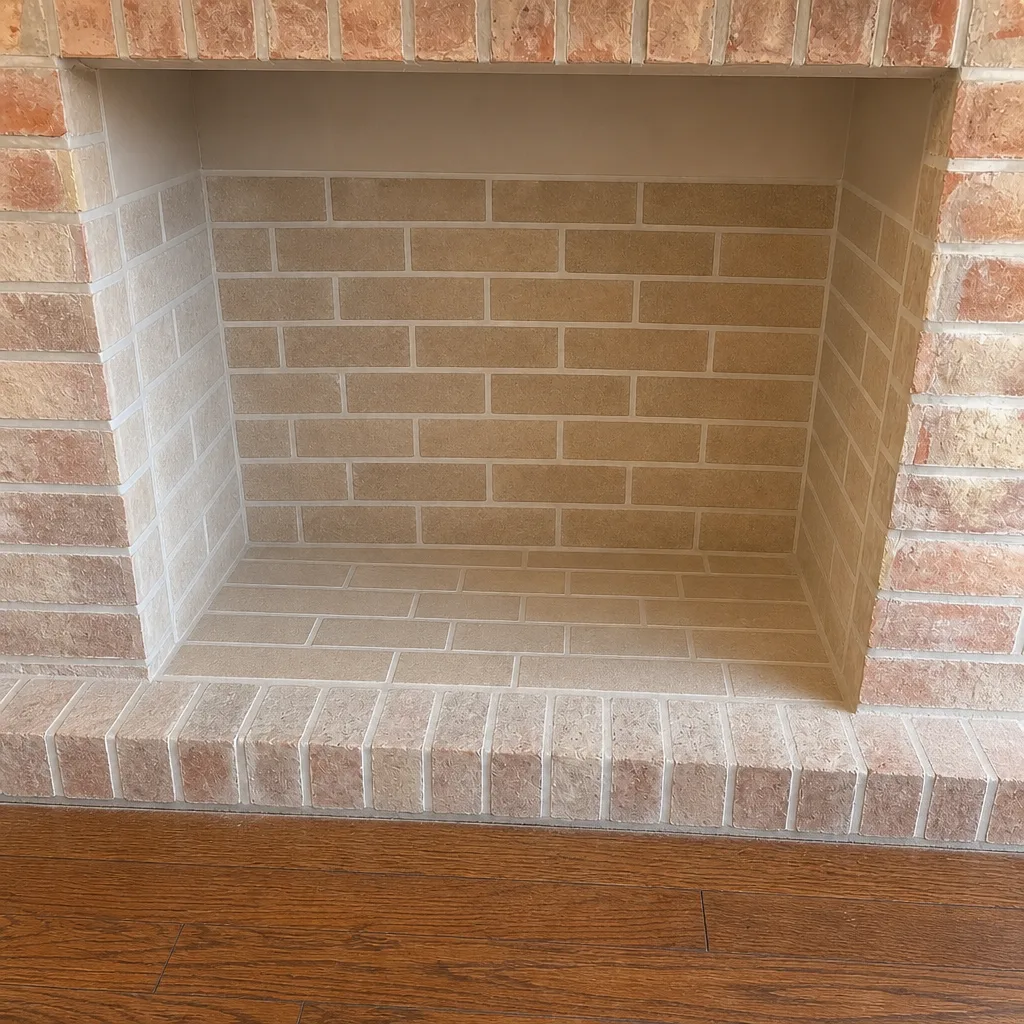 After
Common Mistakes to Avoid
- Waiting until the next fire to test whether the chimney is fine. A chimney fire can leave the flue compromised without any visible sign from the firebox. Test nothing; inspect everything.
- Assuming a gas fireplace can’t have a chimney problem. Gas appliances vent through chimneys too, and a cracked liner in a gas setup is the more common CO scenario. The flue doesn’t care what fuel you burn.
- Calling a general handyman for liner or cap work. Liner and cap work uses specific products from dedicated chimney manufacturers (DuraFlex, HeatShield, Gelco, Olympia Chimney, Famco, and Copperfield). A generic repair without the right system can void the integrity of the flue.
- Letting a missing or cracked cap go through another rainy season. In Lake City, water ingress is the slow-motion emergency that damages masonry and liners between fire seasons.
- Skipping the camera inspection after a fire. The fire department clears the scene; it doesn’t inspect the flue. A Level 2 inspection with footage is what tells you the system is safe to use.
- Cleaning up before you photograph. If you’re filing a claim, photos of the damage before cleanup are worth more than any repair receipt later.
- Guessing between resurfacing and relining. HeatShield resurfacing and full relining are different tools for different conditions. Guessing wrong means paying for work you didn’t need or missing damage you did.
When to Call a Professional
Call a professional if your chimney has had a fire, if anyone in the house has symptoms that improve when they leave and worsen when they return, if you see soot or moisture near a gas appliance, if the cap or crown is cracked or missing, or if it’s simply been a year since the last inspection. Call if you’re not sure. Uncertainty is a reason to inspect, not a reason to wait. Chimney Sweep Lake City offers free estimates in Lake City, and our technicians have up to 12 years of experience with the full system (sweeping, inspection, cap and crown, structural repair, and fireplace repair). Call (833) 703-5416. We answer 24/7. Fast dispatch from 7am to 7pm, Sunday through Friday.
Frequently Asked Questions
Get everyone out of the house and call 911. Once outside, stay clear of the chimney side of the building, and don’t go up on the roof or spray water into the flue. After the fire department has cleared the scene, call a professional for a Level 2 inspection before using the fireplace again. Call (833) 703-5416 for an exact quote – estimates are free.
You can’t tell from the firebox. A Level 2 inspection with a video camera scan of the flue is how liner damage gets identified after a fire; the inspector looks for cracked or spalled tiles, separated joints, warped metal, and glazed creosote. Call (833) 703-5416 for an exact quote – estimates are free.
Headaches, dizziness, nausea, and fatigue that improve when you leave the house and return when you come back, plus confusion or drowsiness out of proportion to the situation. On a gas appliance, a lazy yellow or orange flame and soot or moisture near the vent are additional clues. Get everyone out and call 911 if symptoms are present, then have the chimney inspected. Call (833) 703-5416 for an exact quote – estimates are free.
A sweep alone isn’t enough after a fire. A Level 2 inspection includes a camera scan of the flue and checks the liner, cap, crown, and connections, which a sweep doesn’t do. The inspection is what tells you whether the system is safe to use. Call (833) 703-5416 for an exact quote – estimates are free.
Insurers may require that your chimney be maintained and inspected to honor a fire damage claim involving the chimney system in Washington state, so a documented record of annual cleaning and inspection matters. Gather inspection reports, photos, and maintenance records before you call. Call (833) 703-5416 for an exact quote – estimates are free.
Yes. A cracked liner in a gas appliance setup is a recognized pathway for carbon monoxide into the living space, and in our experience it’s the more common Lake City CO scenario because gas appliances run quietly and the chimney gets less attention than a wood fireplace. Any CO symptom is a get-out-and-call-911 situation, followed by an inspection before the appliance is used again. Call (833) 703-5416 for an exact quote – estimates are free.
The Bottom Line
Chimney emergencies are mostly preventable, and the prevention is unglamorous: an annual sweep and an annual inspection. What makes them an emergency is that homeowners are asked to make safety decisions in the middle of a fire or a CO event, which is the worst possible time to be learning how a flue works. Know the signs now. Get everyone out first, call 911, and don’t use the fireplace again until a Level 2 inspection clears it. After the fire department leaves, documentation protects your claim, and the contractor you call first shapes that documentation. If you’re in Lake City and it’s been a year since the last look, book the inspection before the heating season. Call (833) 703-5416. We answer 24/7. Fast dispatch from 7am to 7pm, Sunday through Friday. Estimates are free.
Written by the team at Chimney Sweep Lake City.