
Last updated November 25, 2026
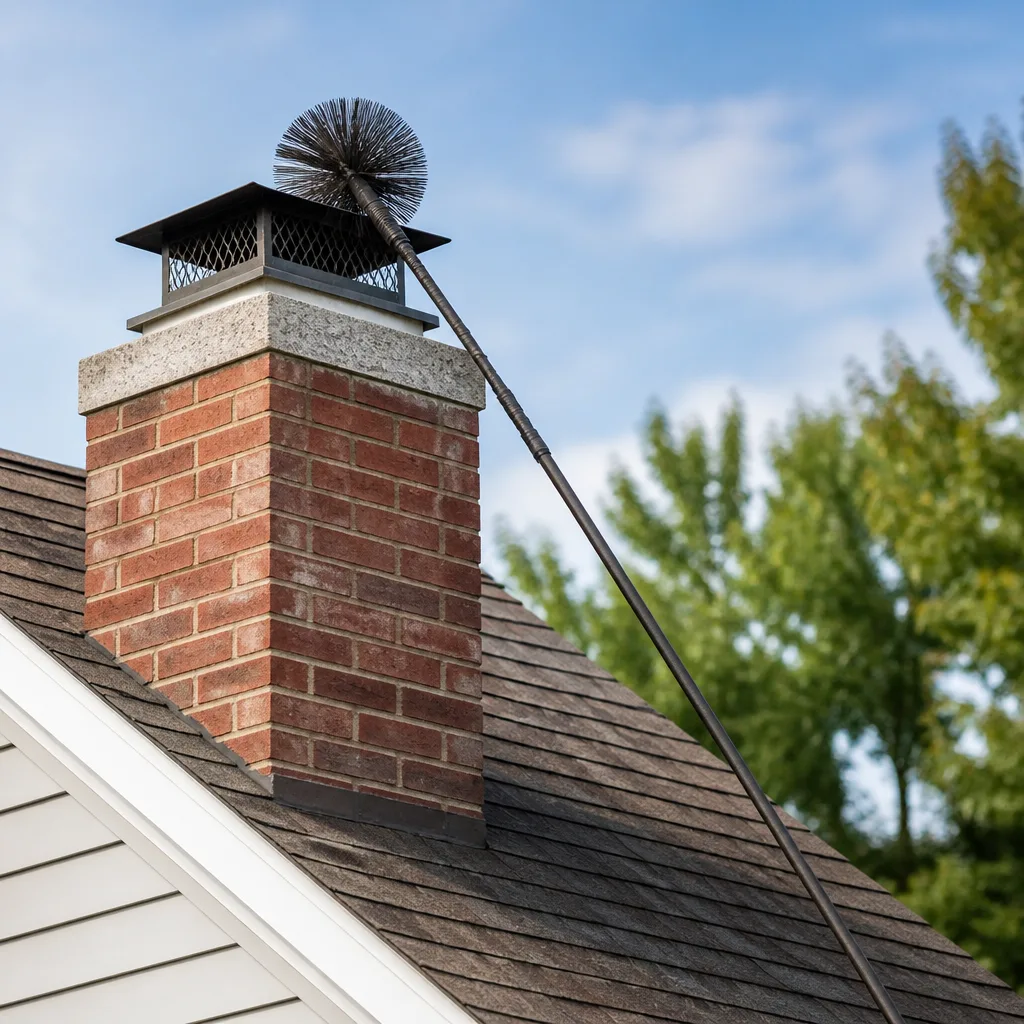 Sweep & inspection
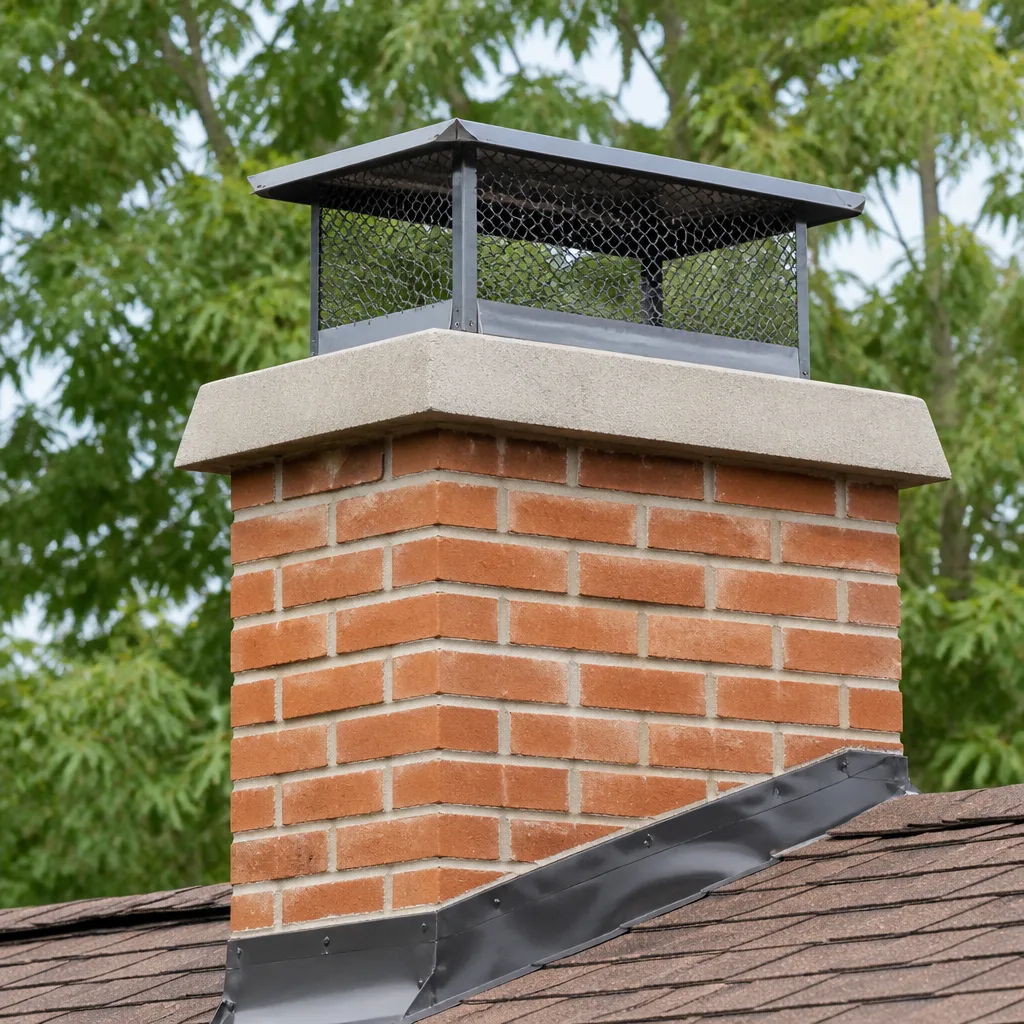 Caps & crowns
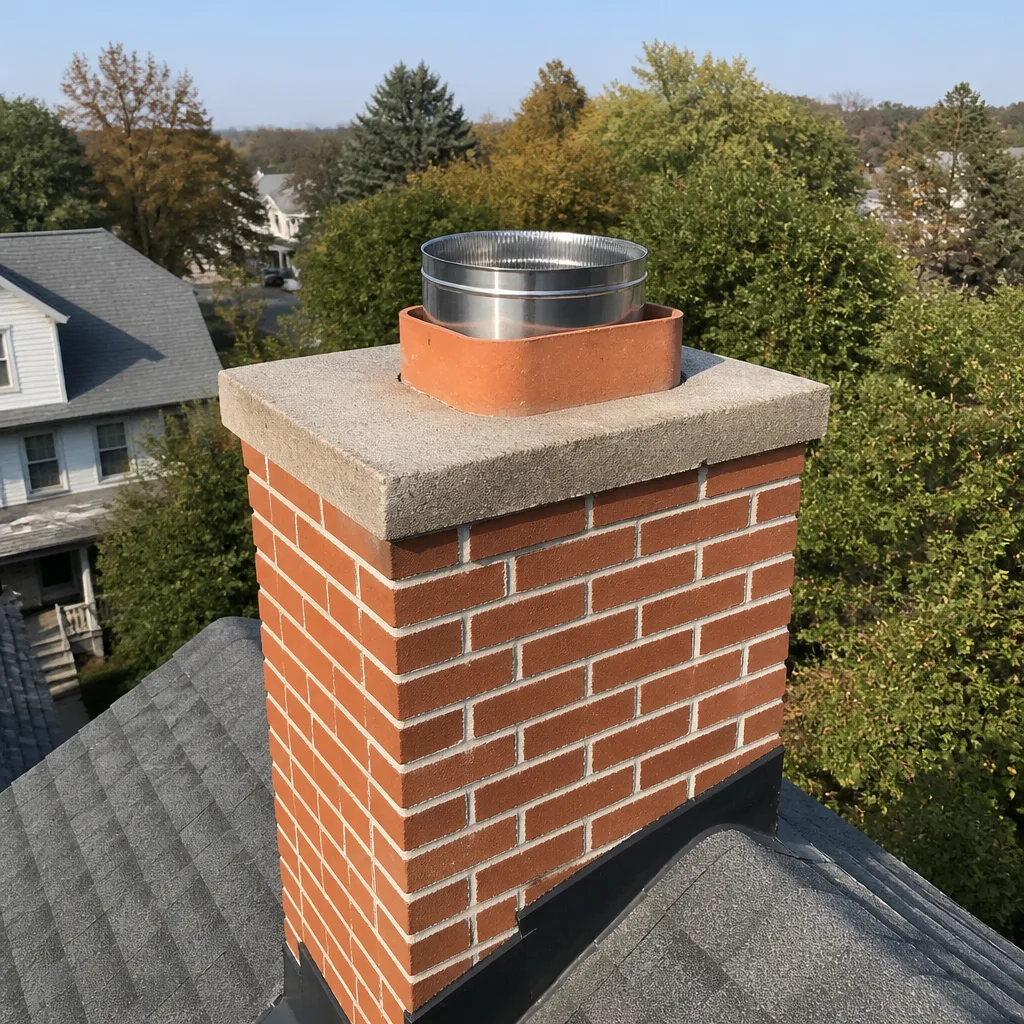 Flue relining
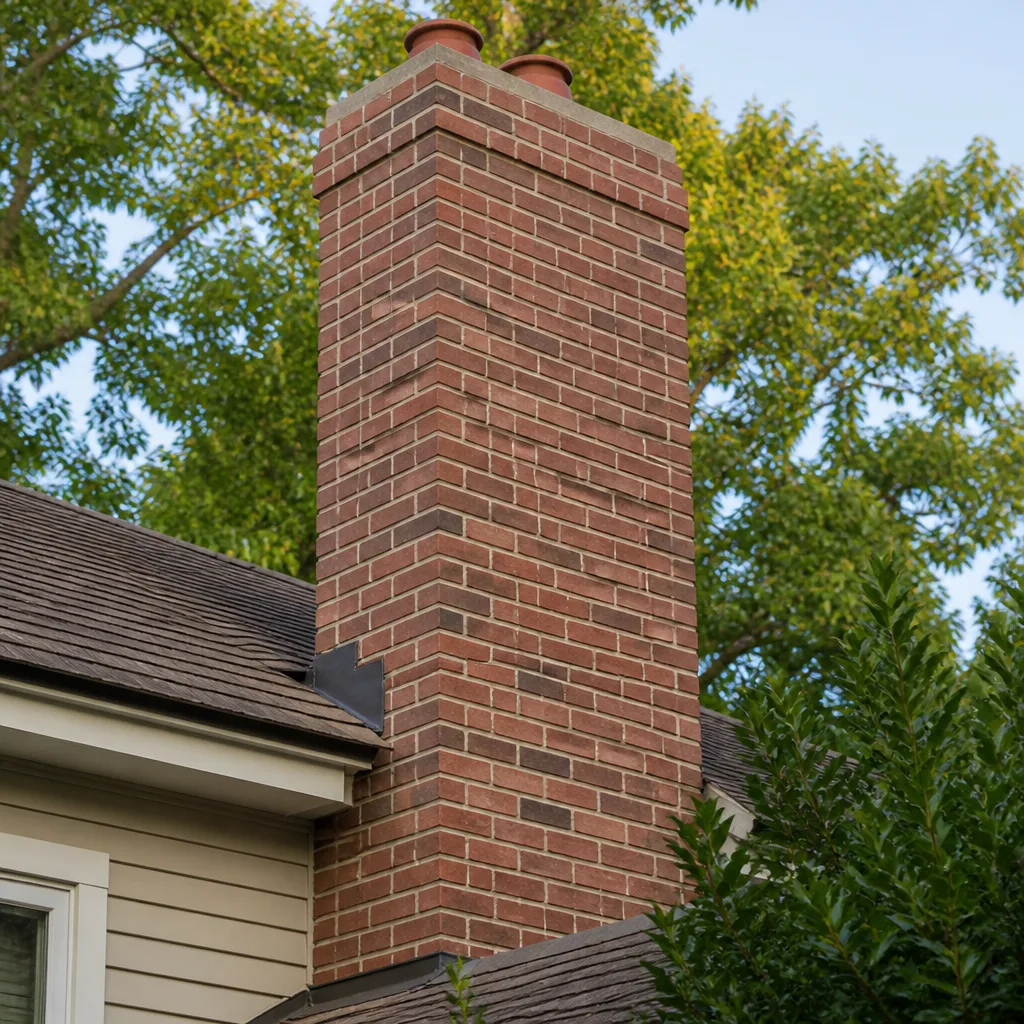 Masonry repair
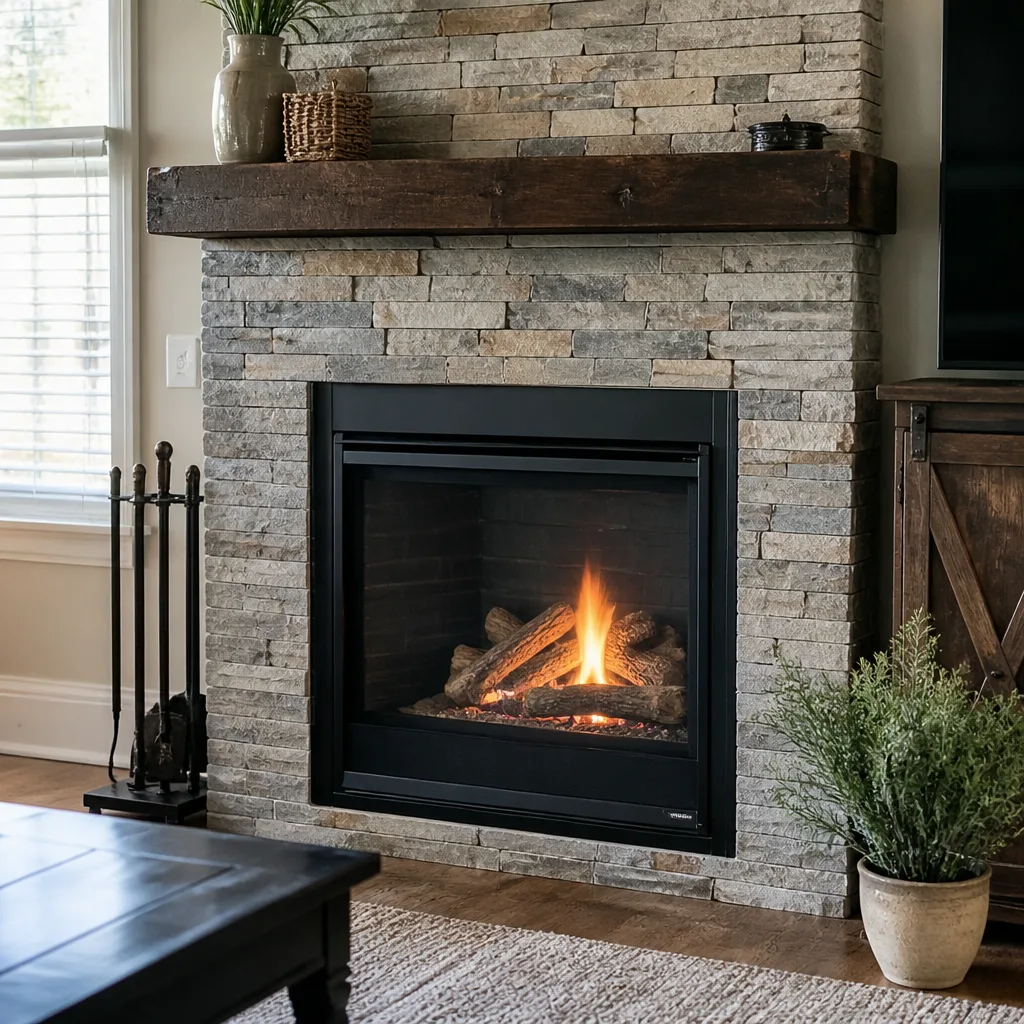 Gas fireplace service
Level 1 sweep and inspection to the NFPA 211 annual standard - flue, crown, cap, and flashing checked and photographed
Chimney sweep logs do not sweep chimneys. They loosen some creosote - which then falls where a brush and vacuum still have to collect it.
Chimney Cleaning Permits, Codes & Inspections in Lake City, WA: What You Need to Know
Most chimney work in Lake City needs no permit at all. A standard sweep, a cap replacement, a crown coat of sealer – those are maintenance, and maintenance doesn’t require a trip to the permit counter. The trouble starts the moment the scope shifts from cleaning to altering the system. A relined flue, a new appliance connection, structural repair to the masonry: each of those crosses a line into permitted work under the Washington State Building Code, and the line isn’t obvious unless you’ve spent time on both sides of it. This guide explains where that boundary sits, which inspections carry legal weight in a home sale, and how unpermitted chimney work surfaces later at resale. If you own a wood-burning fireplace or a gas appliance vented through a masonry or prefab chimney in Lake City, this is worth twenty minutes of your attention.
Quick Answer
Routine chimney cleaning in Lake City does not require a permit. Any alteration to the chimney system – relining, appliance replacement, structural repair to the flue or firebox – does require a permit through the Washington State Building Code as amended by the local jurisdiction, and the work must be inspected before it’s closed up. A Level 2 inspection is legally required in specific situations: a real estate transaction, after a chimney fire, or after any visible structural damage to the chimney.
Styles & brands we work with
- Sweep & inspection
- Caps & crowns
- Flue relining
- Masonry repair
- Gas fireplace service
Table of Contents
- Where the line sits: maintenance versus alteration
- What the Washington State Building Code actually says
- IRC Section 1003, G2407, and gas appliance venting
- When a Level 2 inspection becomes legally required
- How unpermitted liner work shows up in a home sale
- What documentation a compliant contractor hands you
- Lake City’s housing stock and what it means for your chimney
- Common mistakes to avoid
Where the Line Sits: Maintenance Versus Alteration
The distinction is simpler than the code language makes it sound. Maintenance keeps the chimney doing what it was built to do. Alteration changes what it is or how it performs.
Maintenance covers sweeping, removing creosote and soot, replacing a missing or damaged cap, resealing a crown, repointing mortar at the chimney top, and installing a top-sealing damper in most cases. None of that changes the flue’s size, material, or the appliance connected to it. A Chimney Sweep Lake City visit for a routine cleaning falls entirely in this category. No permit, no inspection, no paperwork beyond the report you should always ask for.
Alteration is a different matter. The following work generally requires a permit from the authority having jurisdiction over Lake City:
- Installing a new flue liner, including a stainless flexible reline
- Replacing a fireplace insert or changing the appliance connected to the flue
- Rebuilding a firebox beyond minor mortar repair
- Structural repair to the chimney chase or the masonry above the roofline
- Converting a wood-burning fireplace to gas or the reverse
- Adding a chimney where none existed
Here’s where homeowners get tripped up. A contractor proposes a reline because the flue is deteriorated, and the pitch sounds like a repair. Repair language and alteration language describe the same job from different angles. If the work changes the flue’s liner material, size, or the connected appliance, treat it as permitted work until a licensed professional shows you otherwise in writing. Ask the question directly: does this job need a permit? A contractor who can’t answer that clearly is telling you something important.
What the Washington State Building Code Actually Says
Washington adopts the International Residential Code as its base residential code with state amendments layered on top, and each jurisdiction adds its own corrections and local amendments. For chimney and venting work, that means the statewide rule sets the floor and Lake City’s jurisdiction sets the specifics on top of it.
The provisions that matter most for chimney work:
- Chimney construction and clearance: the code specifies how far a chimney must sit from combustible framing and roofing material, and how tall it must rise above the roof surface. A replacement cap, a rebuild, or a boxed-out chase has to respect those clearances.
- Flue lining: every flue must be lined with an approved material sized for the appliance. An unlined or badly deteriorated flue is a code violation whether or not anyone has complained about it.
- Venting of appliances: gas, oil, and solid-fuel appliances each have their own venting requirements, and connecting a new appliance to an existing flue is permitted work in nearly every case.
- Inspection sequence: permitted chimney work typically requires an inspection of the flue or liner installation before the work is concealed by a cap, crown, or chase enclosure.
We’ve walked into Lake City homes where a liner had been installed and capped with no inspection record anywhere. The installation itself might be fine. But there’s no way to prove it without opening things back up, and that changes the conversation at resale. The statewide code isn’t trying to make chimney work harder than it needs to be. It exists so that a flue fire has a fighting chance of staying inside the flue, and so the homeowner after you can verify what’s behind the wall.
Because local amendments differ and Lake City’s jurisdiction may have requirements that go beyond the state base, confirm the current permit scope with your city’s building department before scheduling alteration work. We’ll always point you in the right direction on that call.
IRC Section 1003, G2407, and Gas Appliance Venting
Two code sections come up repeatedly in Lake City chimney conversations. They cover different things, and confusing them costs homeowners real money.
IRC Section 1003 governs chimneys and vents in the general mechanical provisions. It sets requirements for the chimney itself: materials, lining, height, support, and clearance to combustibles. When a chimney sweep tells you a flue is too close to framing or that the liner material isn’t rated for the appliance, this is the section behind that statement. Section 1003 is why a deteriorated clay tile liner can’t simply be left in place when a new appliance goes on the flue – the appliance’s venting requirements and the flue’s condition have to match.
IRC Section G2407 covers venting of gas appliances. If you’re replacing a gas water heater, furnace, or gas fireplace in a Lake City home, this section governs how the appliance vents and whether the existing flue can accept it. A common scenario: a homeowner swaps a mid-efficiency furnace for a high-efficiency model that vents through a sidewall, then the old masonry flue sits orphaned. An orphaned flue still needs attention, because the reduced exhaust volume no longer warms the flue enough to keep moisture moving out, and the liner deteriorates faster than it did before.
What this means in practice:
- Any appliance replacement that connects to a chimney triggers a venting review under G2407.
- The existing flue lining, sizing, and material are checked against the new appliance’s requirements under Section 1003.
- If the existing flue doesn’t meet the requirement, relining is the fix – and relining is permitted alteration work.
- If the appliance is disconnected and not replaced, the orphaned flue still needs a chimney professional’s assessment.
For a gas appliance vented through a masonry chimney in Lake City, don’t assume the old flue is appropriate for the new appliance. Have it assessed before the installation, not after.
When a Level 2 Inspection Becomes Legally Required
Chimney inspections come in three levels. A Level 1 is a visual check of readily accessible portions during routine service. A Level 2 adds a video scan of the flue interior and inspection of accessible attic and crawlspace areas around the chimney. A Level 3 opens concealed areas and is rarely needed.
A Level 2 inspection is not optional in three situations:
- Real estate transaction. When a home with a wood-burning fireplace or a chimney-vented appliance changes hands, lenders and buyers expect a Level 2. It’s the inspection that documents the flue interior, and it’s the one a buyer’s inspector will read carefully.
- After a chimney fire. Even a small flue fire can crack clay tile liners and warp metal ones. A Level 2 tells you whether the flue is still serviceable or needs relining.
- After any visible structural damage. Cracked masonry, a shifted crown, a chimney that leans, or damage after an earthquake or a windstorm.
There are two other common triggers in Lake City. A change in appliance – replacing a wood stove, adding a gas insert – should prompt a Level 2. And if you’ve moved into a home and don’t know when the chimney was last inspected, a Level 2 is a reasonable starting point, since you have no baseline otherwise.
In our experience, the inspection is the part homeowners are most tempted to skip. It’s also the part that tells you whether the sweep, the repair, or nothing at all is the right call. One inspection can tell you whether you need a sweep, a repair, or nothing at all. We’re content to tell you the answer is “nothing at all” when that’s true.
How Unpermitted Liner Work Shows Up in a Home Sale
Unpermitted chimney work has a way of staying invisible until it isn’t. Then it surfaces in one of three places, and none of them are convenient.
- The buyer’s home inspector. A good inspector checks the firebox and flue with a camera or looks closely enough to note what they can’t verify. An unpermitted reline with no inspection record and no documentation gets flagged, and flagged items become negotiating points.
- The insurance company. If a flue fire damages the home and the liner work was unpermitted, the insurer asks for the inspection record. The absence of one can complicate a claim, and in some cases coverage for the chimney-related damage gets contested.
- The disclosure form. Washington’s seller disclosure form asks about unpermitted work and about chimney condition. A seller who knows about unpermitted liner work and doesn’t disclose it has a problem beyond the chimney.
The remediation path isn’t quick or cheap. In the typical case, the flue is opened up so the original liner installation can be inspected, then corrected documentation and a fresh inspection are obtained – all before the sale can close cleanly. If the original work turns out to be substandard, the liner may need replacement, which puts the buyer and seller back at the negotiating table. The cost isn’t just the remediation. It’s the delay, the price concession, and the risk of a deal falling apart.
Compare that to the cost of a permit on the front end. A homeowner who asks their contractor to pull the permit, complete the inspection, and hand over the record is in a much stronger position at resale. It’s the same work with documented proof behind it. That’s the whole point of the system.
What Documentation a Compliant Contractor Hands You
After permitted chimney work in King County wraps up, you should receive a specific set of documents. Anything missing from this list is worth a phone call.
- The permit number and job address. The permit itself references your address and the scope of work. Keep the printed copy.
- The inspection record. The building inspector signs off, and that record confirms the work was done to code. This is the piece that matters most at resale and to your insurer.
- The contractor’s licensing and registration. Washington requires contractors to register with the state. The registration number should appear on the contract and the invoice.
- A written description of the work performed. The liner material, the brand and model, the appliance connection, and the dimensions. When we install a chimney cap & crown, the paperwork specifies the cap manufacturer and the flue size it was fitted to. The same applies to a DuraFlex stainless flexible liner or a HeatShield resurfacing job: the documentation names the product and its application.
- The warranty or manufacturer’s literature. Liner manufacturers have their own installation requirements, and the warranty usually depends on those being followed. Get the paperwork whether or not you plan to use the warranty.
- The inspection report from the chimney professional. If a Level 2 inspection preceded the work, the report and its camera evidence should be in your file.
We work with a curated set of professional-grade brands because the material matters as much as the labor. DuraFlex flexible liner systems are the standard for relining older or offset flues. HeatShield resurfacing can restore a deteriorated liner without the cost of full relining, where the flue qualifies. Gelco and Olympia Chimney supply caps, crowns, and specialty chimney components built for the application. When the paperwork names the product, the homeowner can verify it.
Lake City’s Housing Stock and What It Means for Your Chimney
Lake City is a neighborhood of contrasts, and the housing stock reflects it. The older homes near the Lake City business district frequently have original masonry chimneys built with clay tile liners – serviceable, but often at the end of a long life. Mid-century homes in the surrounding blocks may have a chimney on an exterior wall, which takes more weather exposure than an interior chimney. Newer construction and remodels often pair a prefab fireplace with a factory-built chimney, which has its own venting requirements and its own limited lifespan.
The climate matters too. Western Washington’s wet winters mean the top of the chimney takes a beating. A cracked crown lets water in, and water plus freeze-thaw cycles breaks down mortar and tile from the inside. The Pacific Northwest’s rainy season doesn’t create the same rapid flash-freeze cycles you’d see in other parts of the country, but the persistent moisture does its own damage: saturated masonry spalls and crumbles over time. When we see a chimney in Lake City with a deteriorated crown and no cap, we’re looking at a chimney that’s been getting wet for years. That’s why cap and crown work belongs in the seasonal maintenance calendar, not just in the emergency list.
Burning season is the other local rhythm. Lake City homeowners typically burn from fall into early spring, which means the heaviest creosote accumulation happens during the coldest months. The sweep you book in late summer or early fall catches the residue before the next season starts. The one you skip because the flue “looked fine last year” is the one that matters most.
If your home has a fireplace or a chimney-vented appliance and you can’t confirm the last inspection date, start there. The condition of the flue is the answer to almost every other question about the chimney.
Common Mistakes to Avoid
- Assuming all chimney work is permit-free. Maintenance is permit-free. Relining, appliance replacement, and structural repair are not. If the scope of work changes from cleaning to altering, ask about a permit before work starts.
- Skipping the inspection record on a reline. The inspection record is the single most valuable document you’ll get from chimney work. It’s what proves the liner was installed correctly and dated properly. Without it, the work may as well be invisible.
- Treating the Level 2 as an upsell. When a chimney professional recommends a Level 2 on a home sale, after a chimney fire, or after visible damage, that’s not a sales push. It’s a documented requirement in those specific cases, and skipping it creates exposure.
- Neglecting the crown and cap in Lake City’s wet winters. A crown that dries out and cracks lets moisture into the flue. A chimney without a cap collects rain and lets birds nest in the flue. Neither problem is dramatic until it’s substantial.
- Connecting a new appliance to an unverified flue. A high-efficiency gas appliance needs venting that matches its output. Connecting it to an old flue without a venting review can create a carbon monoxide risk or an accelerated liner failure.
- Trusting a flue “sweep” without a camera. A visual sweep can miss flue damage above a smoke shelf or in an offset flue. If you can’t see the video, you don’t know what’s in the flue.
- Forgetting the orphaned flue. When an appliance is replaced with a sidewall-venting model, the old flue doesn’t become free. It becomes an unheated, moisture-trapping chimney that deteriorates faster than before. Have it assessed when the appliance goes.
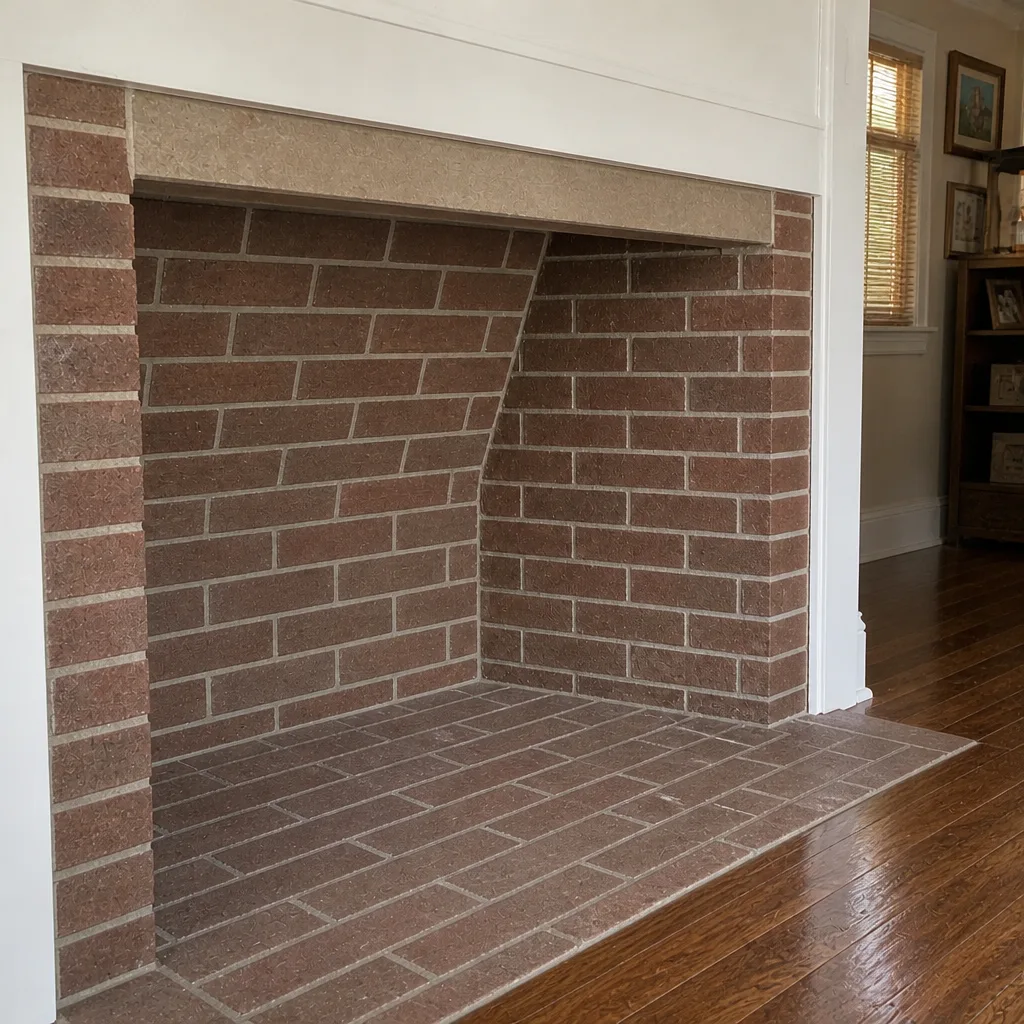
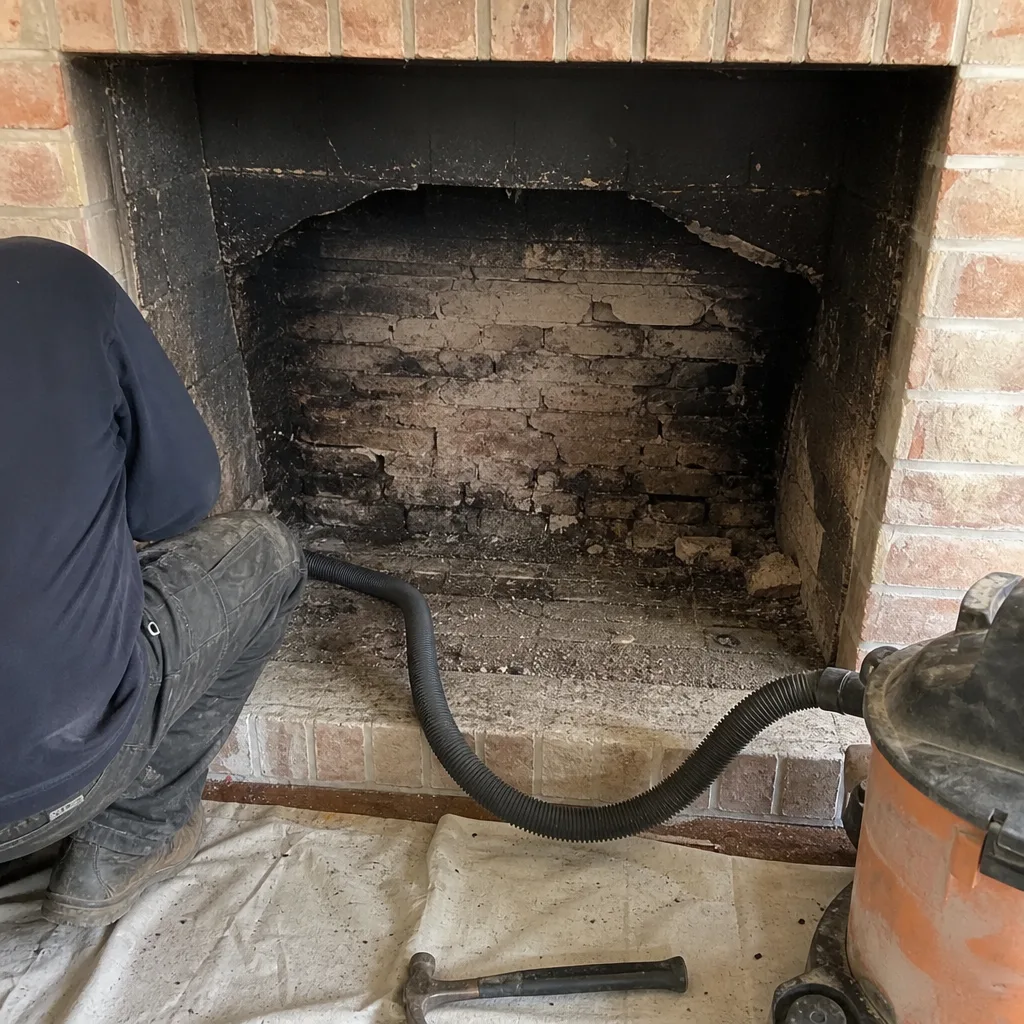
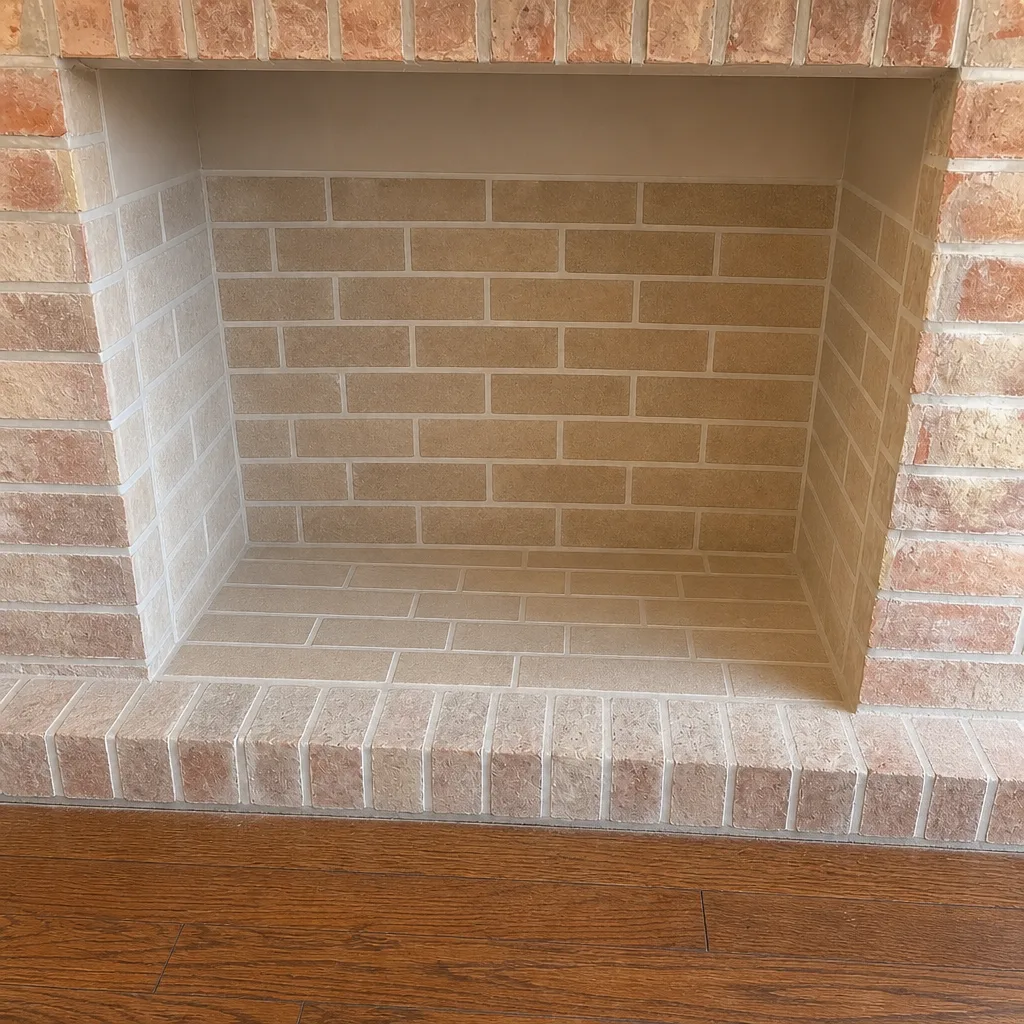
See the difference
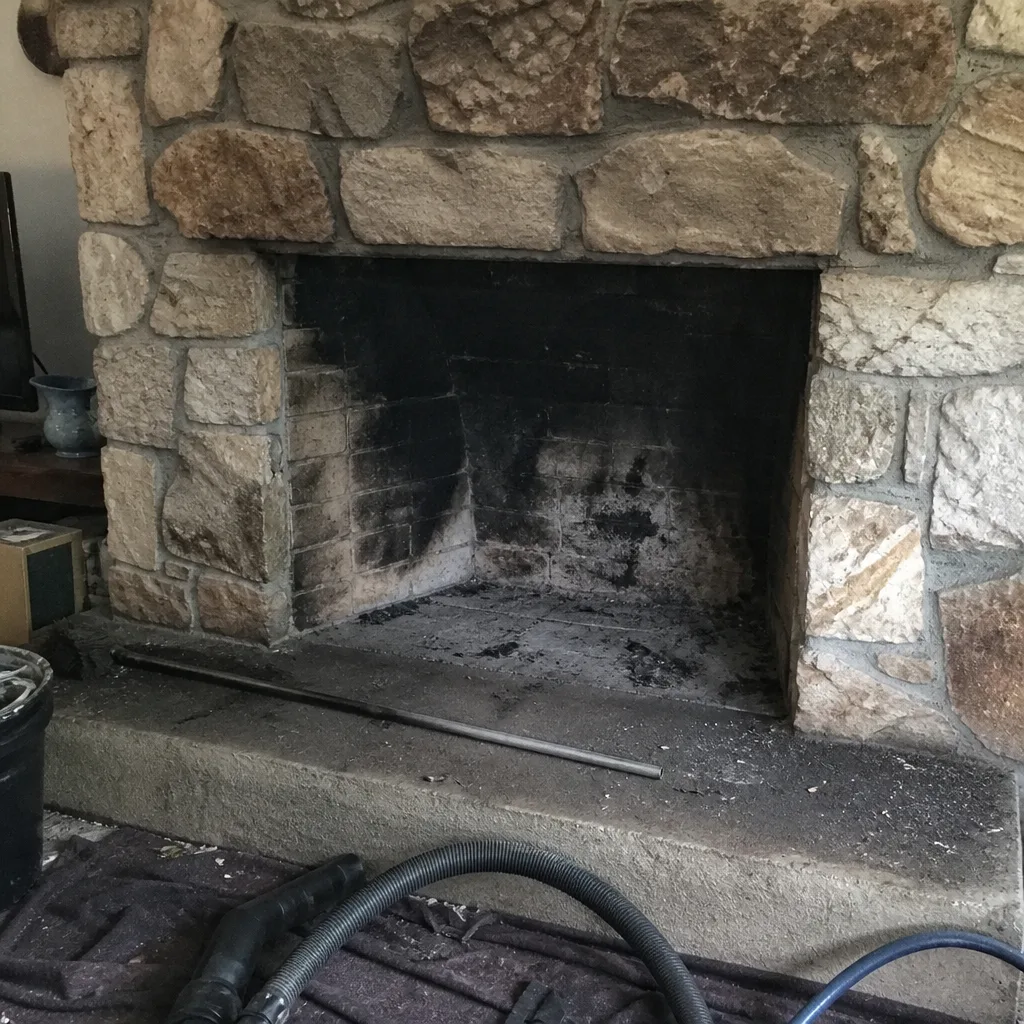 Before
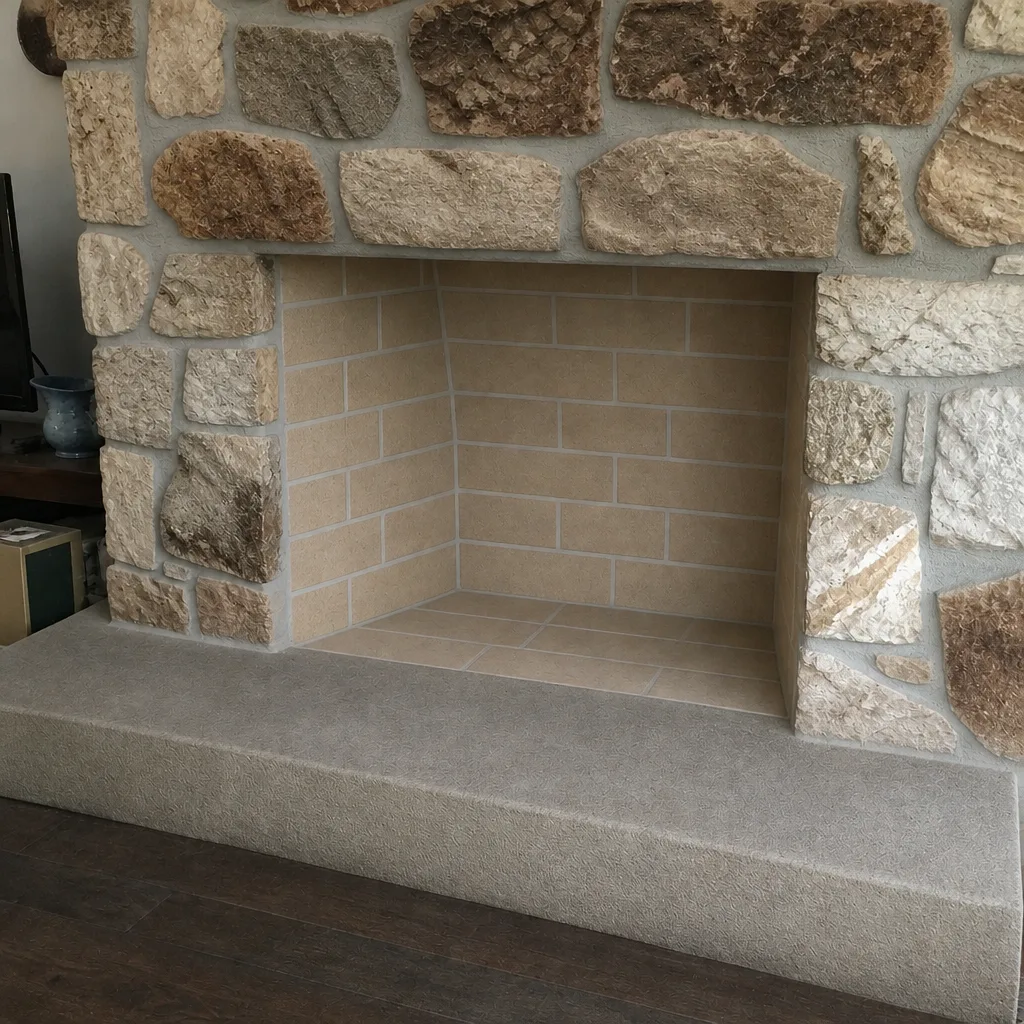 After
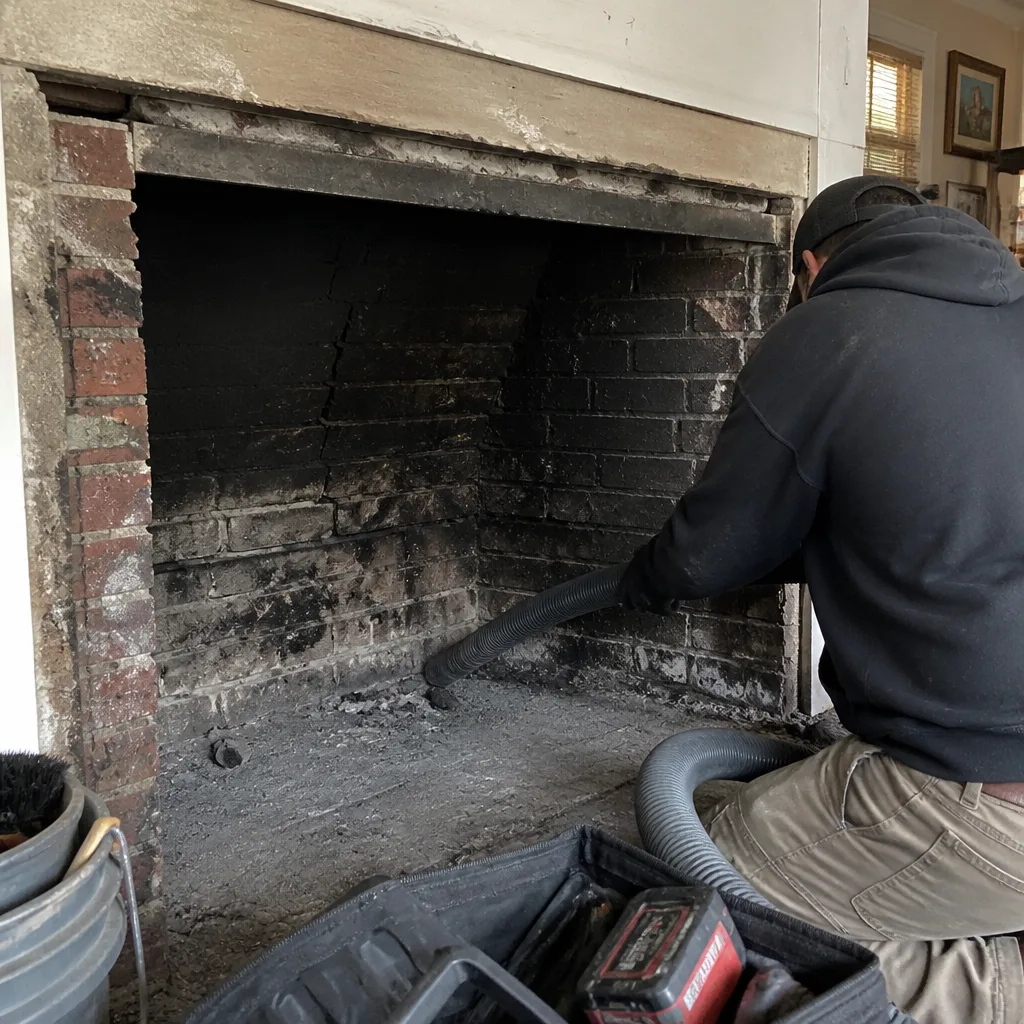 Before
 After
 Before
 After
When to Call a Professional
Call a chimney professional for anything that changes the chimney system, anything that requires a camera inside the flue, and anything that affects how a gas appliance vents. Specifically: a proposed reline or liner restoration, a new or replacement fireplace insert, a gas appliance connection to an existing chimney, visible cracking or leaning in the chimney structure, a chimney fire of any size, a home purchase with a wood-burning fireplace, a change in appliance, or a flue that hasn’t been inspected in longer than you can remember. Also call if you’re not sure whether your situation needs a permit – the answer starts with a proper inspection, and that’s the right first step regardless. Chimney Sweep Lake City offers free estimates in Lake City – call (833) 703-5416. We work on the whole system, not just the flue you can see, and we’ll be straight with you about what the work actually requires.
Frequently Asked Questions
No. Routine chimney cleaning is maintenance and doesn’t require a permit in Lake City or anywhere in Washington. Permits apply to alterations: relining, appliance replacement, structural repair, or a change to the connected appliance. If your contractor’s scope of work shifts from sweeping to repairing or replacing anything, ask specifically whether a permit is needed for that scope.
A Level 2 inspection is the expected standard for a real estate transaction involving a wood-burning fireplace or chimney-vented appliance, and it’s what a buyer’s home inspector will be looking for. The level 2 documents the flue interior with video and covers accessible attic and crawlspace areas around the chimney. If the seller can’t produce one, plan on ordering it before closing.
Unpermitted chimney work typically surfaces at resale, through the buyer’s inspector, or through an insurance claim. The remediation path usually involves opening the flue for inspection, correcting the documentation, and obtaining a fresh inspection – all before the sale can close. If the original work turns out to be substandard, the liner may need replacement. It’s a problem with an answer, but not a fast or inexpensive one.
Yes, in essentially every case. Installing a new flue liner changes the flue material and may change its sizing, so it’s alteration work under the Washington State Building Code and local amendments. The installation must be permitted and inspected before the work is concealed. Confirm the specifics with your city’s building department, since local amendments vary.
The local building authority inspects permitted chimney work, typically at the phase before the flue or liner is closed up. At the end you should have the permit number, the inspection record, the contractor’s state registration, a written description of the work and materials, the manufacturer’s warranty literature, and the chimney professional’s inspection report. That document set is what proves the work at resale and supports an insurance claim if one is ever needed.
An inspection with a camera in the flue is the answer. A sweep removes creosote and soot from a serviceable flue. A repair is needed when the camera shows cracked tiles, a separated liner, deteriorated mortar joints, or a shifted crown – the sorts of things a visual sweep can’t see. If a contractor tells you a reline is needed without showing you camera evidence, ask to see it. Nothing should be recommended that you can’t see for yourself.
The Bottom Line
Standard chimney cleaning in Lake City needs no permit. Anything that changes the flue – relining, appliance replacement, structural repair – does. A Level 2 inspection carries legal weight in real estate transactions, after a chimney fire, and after visible damage. Unpermitted liner work tends to surface at resale or in an insurance claim, and retroactive remediation is far more expensive than pulling the permit on the front end. The documentation matters as much as the work: permit number, inspection record, product description, and the chimney professional’s report. Our technicians have up to 12 years of experience with the full chimney system, from sweeping through cap and crown to structural and fireplace repair, and we work with specified materials from DuraFlex, HeatShield, Gelco, Olympia Chimney, Famco, and Copperfield because the right product matters as much as the labor.
Have a chimney question you can’t answer from this guide, or want to know whether the work you’re considering needs a permit? Call (833) 703-5416 for a free estimate. We answer 24/7, and fast dispatch runs 7am to 7pm, Sunday through Friday. The estimate is free, pricing is set per job by the written estimate, and the camera inspection and photo report come with it – so you can see for yourself exactly what we’re looking at.
Written by the team at Chimney Sweep Lake City.