
Last updated November 25, 2026
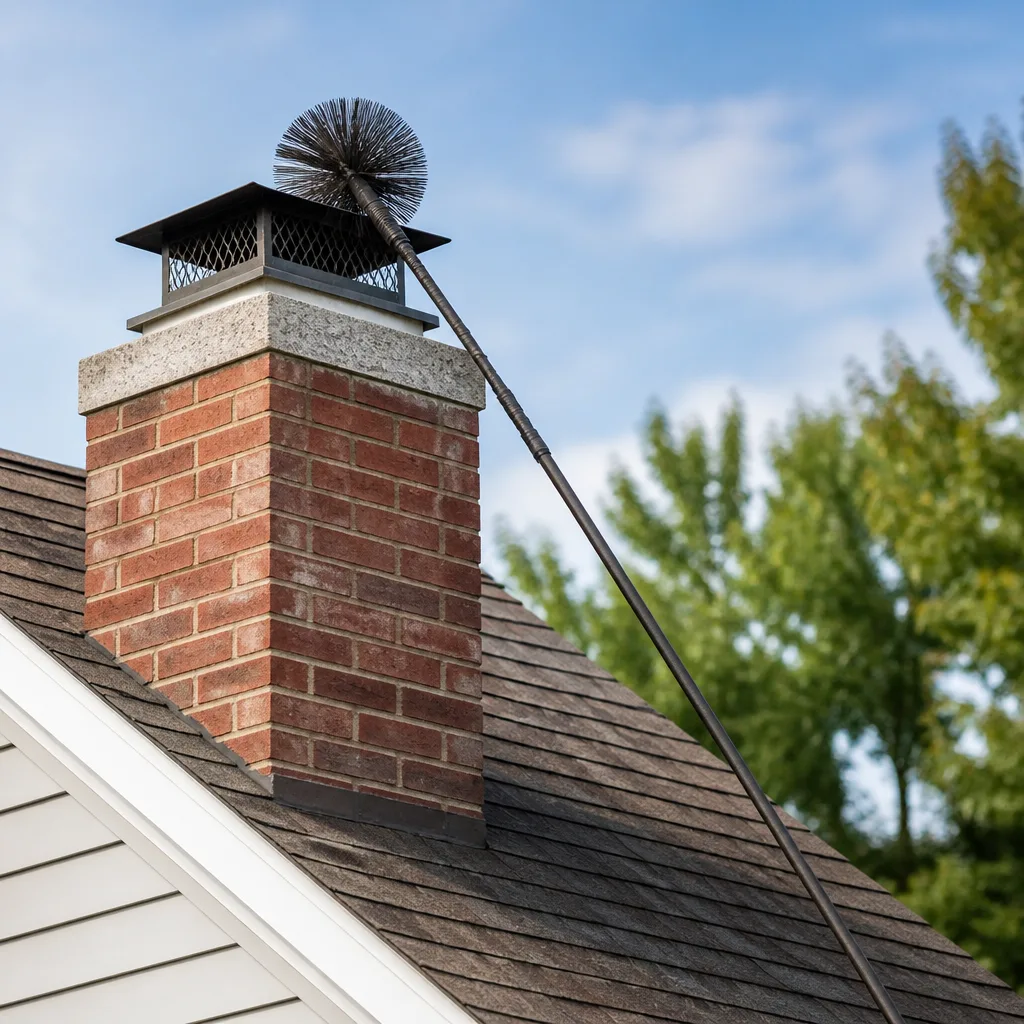 Sweep & inspection
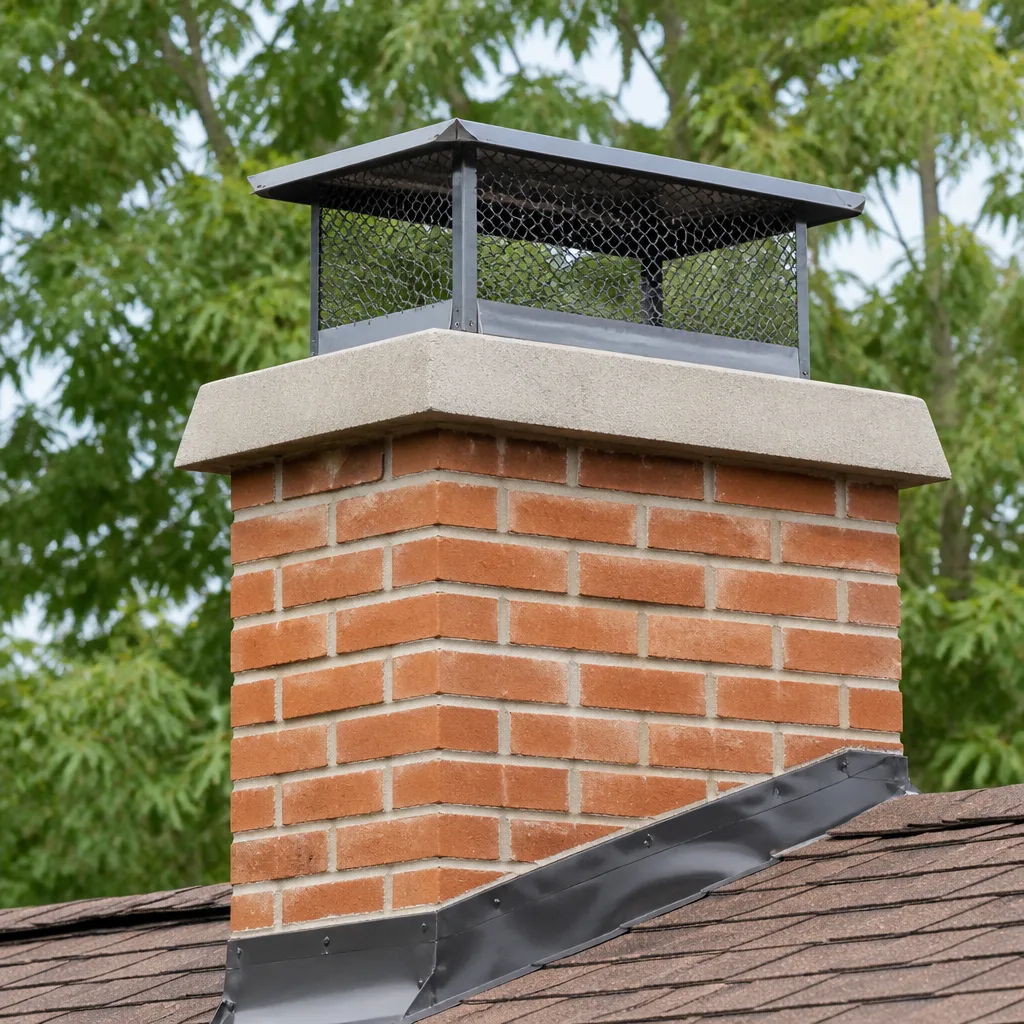 Caps & crowns
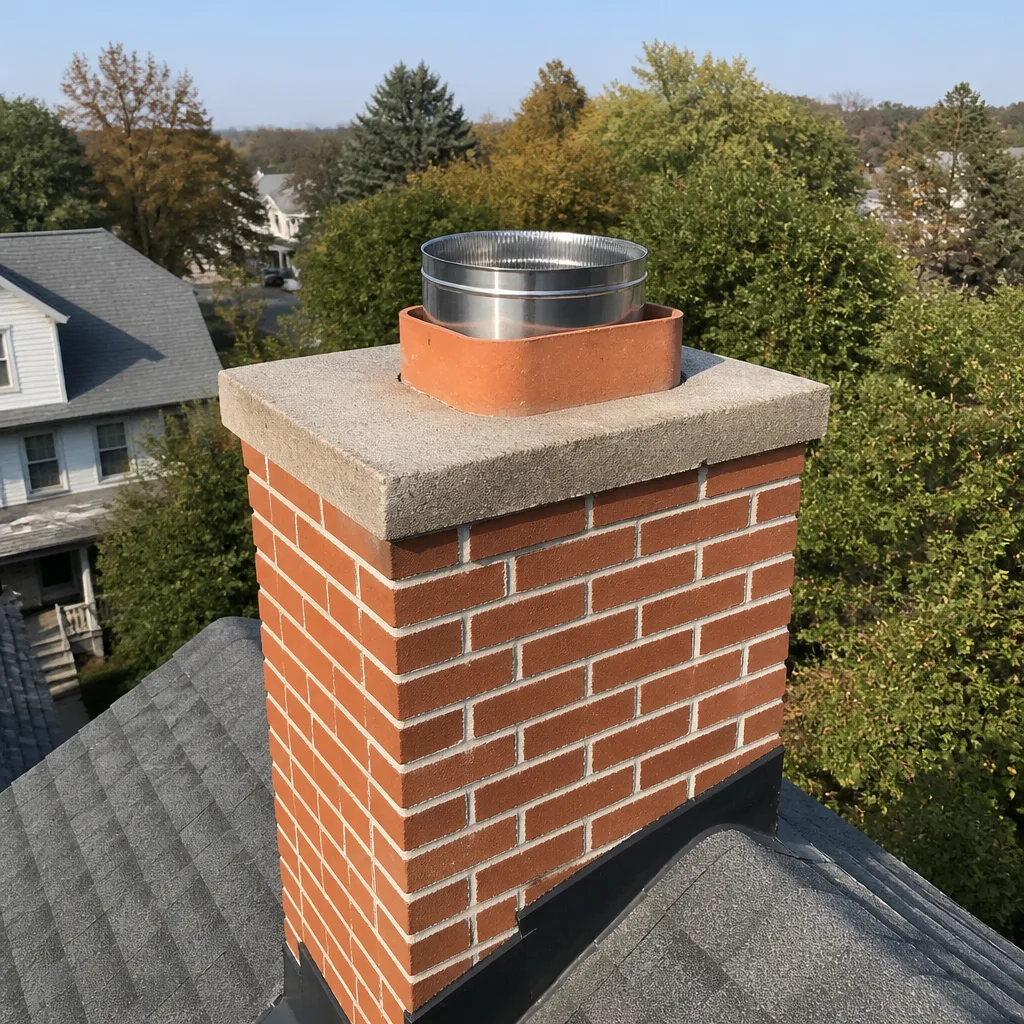 Flue relining
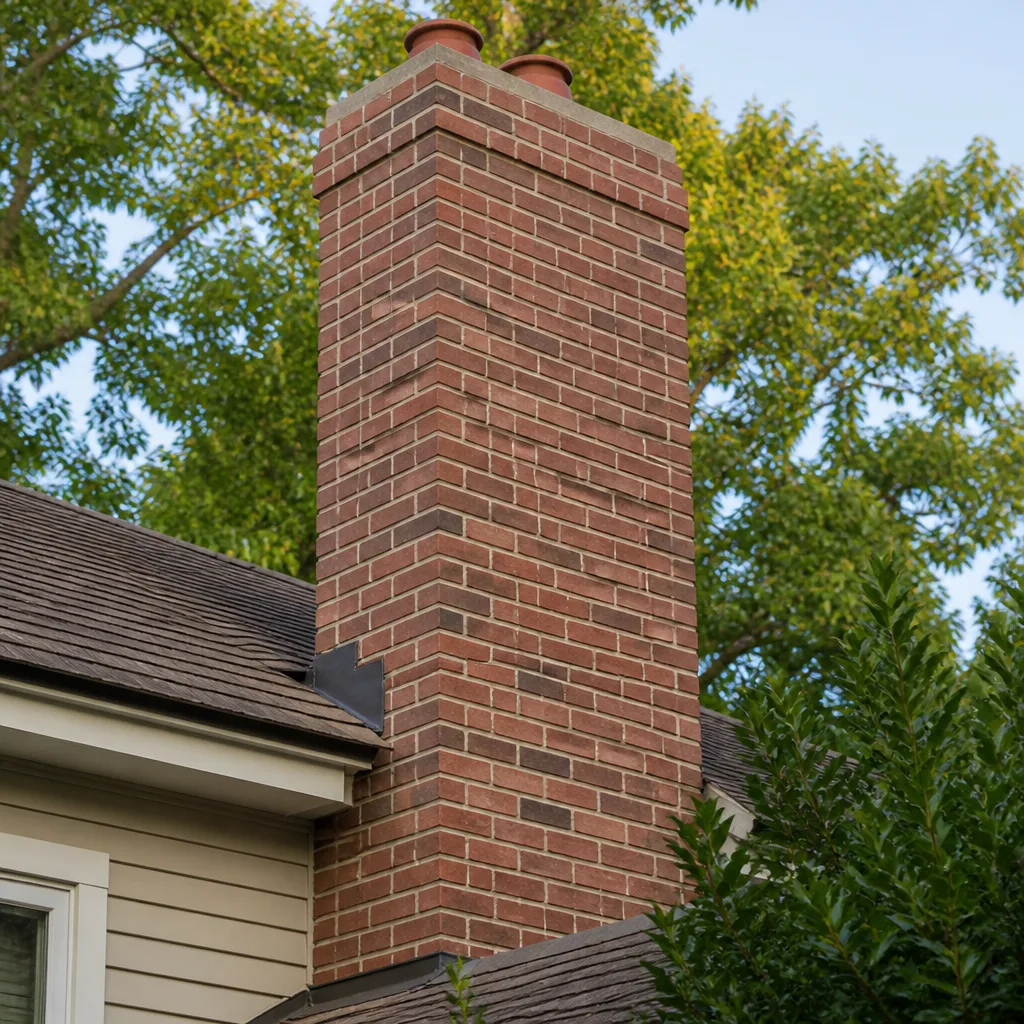 Masonry repair
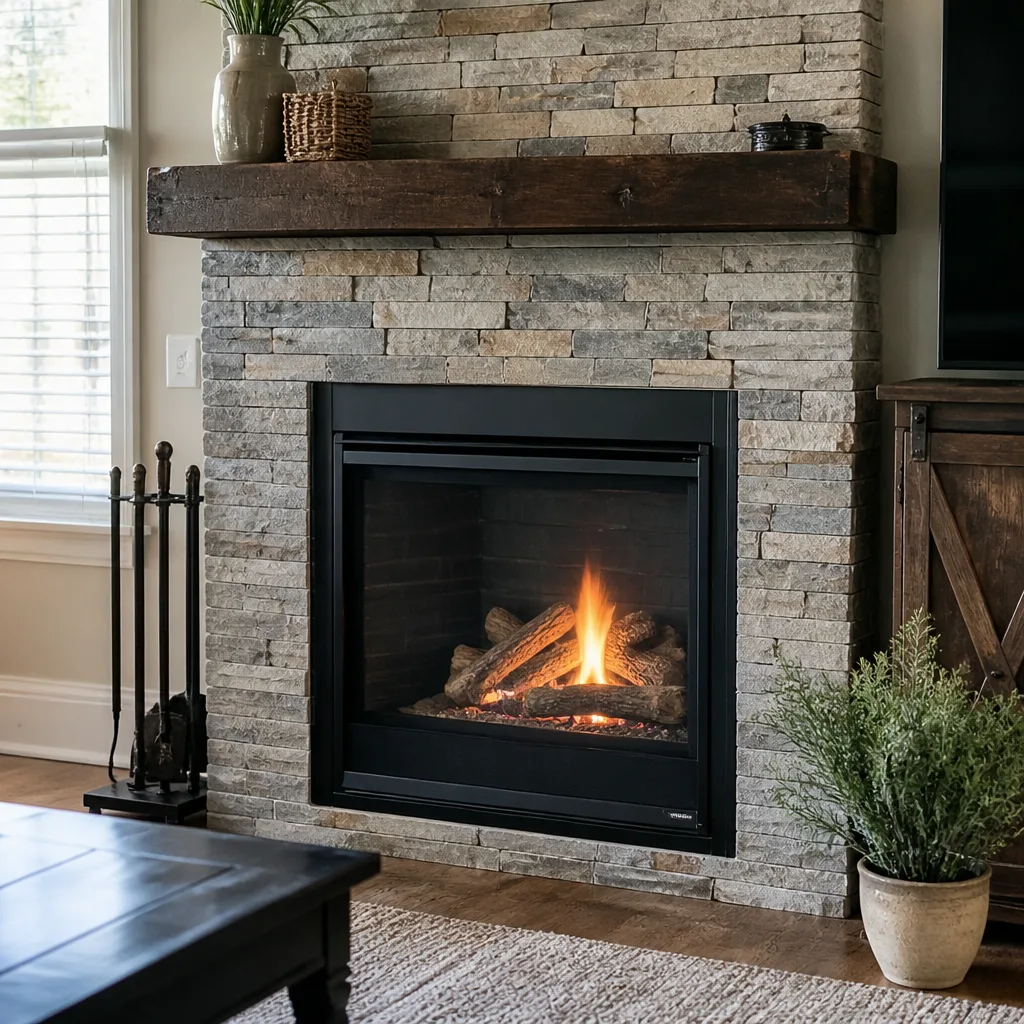 Gas fireplace service
Level 1 sweep and inspection to the NFPA 211 annual standard - flue, crown, cap, and flashing checked and photographed
Chimney sweep logs do not sweep chimneys. They loosen some creosote - which then falls where a brush and vacuum still have to collect it.
Chimney Sweep Maintenance Checklist for Lake City Homeowners
The most expensive chimney repairs in Lake City don’t start with a dramatic chimney fire. They start with a hairline crack in the crown that lets six months of winter rain into the flue tile, and most homeowners walk past it every week without recognizing it. A checklist that only says “inspect your chimney” doesn’t help you spot that crack, or the white staining that tells you water is already inside the masonry, or the moss that signals the brick never dries out. This guide is built differently. Every item is something you can actually see or hear for yourself, so you know when to call a professional and, just as important, what to tell them when you do.
Quick Answer
A chimney maintenance checklist for a Lake City homeowner should cover three areas: the exterior (crown, flashing, brick, cap), the firebox and throat you can safely see from inside, and a use-based sweep schedule rather than a fixed annual date. Check the outside of the chimney twice a year before and after the wet season, look into the firebox monthly during heating season, and book a professional sweep based on how much you actually burn, not on the calendar. When you spot cracking, staining, or debris you can’t safely reach, that’s the point to call.
Styles & brands we work with
- Sweep & inspection
- Caps & crowns
- Flue relining
- Masonry repair
- Gas fireplace service
Table of Contents
- Exterior Inspection: What to Look For on the Outside
- Interior Checks You Can Do Safely From the Firebox
- What a Healthy Chimney Cap Looks Like
- Sweep Frequency Based on How You Actually Burn
- What to Document and Photograph Before a Sweep Arrives
- Seasonal Timing for Lake City Weather
- Common Mistakes to Avoid
- When to Call a Professional
Exterior Inspection: What to Look For on the Outside
The outside of your chimney tells you more about its condition than almost anything you can see from the hearth. Lake City’s wet winters are hard on masonry, and the damage usually shows up on the exterior first. You don’t need to climb onto the roof to do most of this. A pair of binoculars from the ground, a walk-around at the base, and a close look at whatever part of the chimney you can reach safely will catch the majority of early warning signs. What you’re looking for is not a dramatic failure but the small clues that water has found its way in.
Here’s what to check, in order from the top down:
- The crown. The crown is the concrete cap at the very top of a masonry chimney, sloped to shed water away from the flue. Look for hairline cracks, crumbling edges, or a crown that has separated from the brick below. A cracked crown is the single most common entry point for water in this climate.
- Efflorescence. That white, powdery staining on brick or mortar is salt pushed to the surface as water moves through the masonry and evaporates. It’s a reliable sign that moisture is getting in and working its way out through the walls.
- Moss and algae. Green growth on the north face or in the mortar joints means the brick stays damp for long stretches. Persistent moss accelerates freeze-thaw damage and spalling, where the face of the brick flakes away.
- Spalling brick. If you can crumble a brick face with your fingers or see pieces on the roof or ground below, the masonry has absorbed water and is breaking down.
- Flashing. The metal seal where the chimney meets the roof. Look for lifted, rusted, or missing flashing and any gap where water could run behind it.
- The cap. Covered in its own section below, but from the ground you can already spot a missing cap, a rusted-out mesh, or one that’s been knocked askew by wind.
Every one of these is something you can photograph and describe to a contractor, and any one of them is reason enough to have the chimney looked at by someone who works on the whole system, not just the flue you can see. When you spot a damaged crown, chimney cap & crown work is where a specialist earns their keep, because the repair has to shed water, not just cover the hole.
Interior Checks You Can Do Safely From the Firebox
You can learn a lot about your chimney’s health without reaching for a ladder. Everything in this section can be checked from the hearth with a flashlight and a mirror, and none of it involves reaching up into the flue or disassembling anything. Once a month during heating season, before you light the first fire of the week, take five minutes and look.
The damper. Open and close it slowly and listen. It should move freely through its full range without grinding, sticking, or dropping loose rust. A damper that won’t seat closed lets heated air escape up the flue all winter; one that won’t open fully starves the fire and pushes smoke into the room.
The firebox walls. Shine the light on the brick and mortar joints around the firebox. Small hairline cracks in the firebrick are normal, but wide gaps, crumbling mortar, or brick that moves when you press on it mean the firebox needs attention. This is the area that takes the most direct heat.
The throat and smoke chamber. Look up through the damper with a flashlight. You should see smooth flue tile with tight joints. What you’re checking for is visible cracking in the tile, gaps between tiles, heavy creosote buildup, or a rough, uneven surface where mortar has spalled. You’ll only see the first few feet, but that’s often enough to tell you whether the rest of the flue needs a professional look.
The smoke shelf. The smoke shelf is the flat ledge just behind the damper. It collects soot, ash, and sometimes debris that falls from above, and a clogged smoke shelf causes smoke to roll into the room instead of going up the flue. If you can see a buildup of soot or leaves sitting on it, that’s a sign the chimney is overdue for cleaning.
The smell test. A chimney that smells strongly of creosote or smoke on a damp day, when there’s no fire burning, is telling you there’s buildup inside. That smell isn’t just unpleasant. It’s an indicator that a sweep is due.
What a Healthy Chimney Cap Looks Like
A chimney cap does two jobs: it keeps water out of the flue and keeps animals out of the chimney. In the Pacific Northwest, the second job matters more than homeowners realize. Birds, squirrels, and raccoons treat an open flue as an invitation, and once an animal nests inside, the blockage is a fire and carbon monoxide hazard until it’s cleared. The cap is your first line of defense, and it’s also the part of the chimney most likely to fail quietly.
Here’s how to tell a healthy cap from a compromised one:
- Healthy: Solid metal or concrete top with no holes, rust-through, or warping. The mesh is intact all the way around, sized small enough to keep out birds and squirrels but open enough to vent freely. It sits level and is firmly attached.
- Compromised: Rusted-through metal, mesh that has torn or pulled loose, a cap sitting crooked after a windstorm, or one that’s completely missing. Even a single torn panel is enough for a bird to get in.
- Mesh size matters. A mesh with large openings will keep out a raccoon but let starlings and squirrels straight through. Fine mesh keeps everything out but can clog with soot and debris if it isn’t cleaned. A dedicated chimney-manufacturer cap is sized for both jobs at once, which is why we supply caps from makers like Gelco and Famco rather than a generic hardware-store cover.
If your cap is missing or damaged, don’t leave the flue open while you get around to it. An uncapped chimney in Lake City takes in rain all winter, and that water goes straight down into the flue and firebox. A proper cap is one of the least expensive protections you can add, and it’s part of the full chimney and fireplace system a single contractor should be able to handle. From cap to firebox, everything under one contractor means you’re not coordinating three different trades to protect one opening.
Sweep Frequency Based on How You Actually Burn
Most chimney advice repeats the same rule: sweep once a year. That’s not wrong, but it’s not specific enough to be useful, because a gas insert used weekly and a wood-burning fireplace used twice a month don’t build up creosote at anything like the same rate. The right schedule depends on what you burn, how often, and how the fire burns. Here’s how we think about it.
Wood-burning fireplace, occasional use (a fire twice a month or less). Book a professional inspection once a year and a sweep when the inspection finds enough buildup to warrant it. Light, occasional burning builds creosote slowly, but it still builds, and the annual look confirms nothing else has gone wrong.
Wood-burning fireplace or insert, regular use (weekly or more through the heating season). Plan on at least one sweep a year, and be ready to add a second if you burn hot, smoky fires or burn a lot of unseasoned wood. Every cord of wood you burn leaves something behind in the flue.
Gas appliance vented through the chimney. Gas doesn’t produce creosote the way wood does, but it can leave other deposits, and the venting still needs to be checked for blockages, corrosion, and proper draft. An annual inspection catches a compromised vent before it becomes a carbon monoxide problem.
Any chimney that’s been unused for a season or more. Have it inspected before you use it again, even if it burned cleanly the last time you lit it. Animals, debris, and settling can all happen while a chimney sits idle.
One more input: how the fire burns. A fire that smolders and smokes leaves far more creosote than one that burns hot and clean, so if you’re seeing a lot of smoke from the top of the chimney, that’s a signal to shorten the interval between sweeps. If you’re not sure where you fall, one inspection can tell you whether you need a sweep, a repair, or nothing at all, and we’ll be straight with you about which.
What to Document and Photograph Before a Sweep Arrives
This is the step almost nobody does, and it’s the one that makes everything else easier. Before a sweep arrives, gather a simple record of what your chimney looks like and how you use it. That gives the contractor a baseline to compare against, and it gives you a reference point for next year. More importantly, it means you walk into the appointment with evidence, so nobody has to take a stranger’s word for what’s going on inside your chimney.
Here’s what to collect:
- Photos of the exterior. The crown, the cap, the flashing, and each side of the chimney from the ground. Note the date.
- Photos of the firebox and damper, taken with a flashlight so the detail shows. One of the firebox walls, one up through the throat.
- A note on how you burn. Wood or gas, how often, what kind of wood if wood, and whether you’ve noticed smoke rolling into the room.
- Any symptoms you’ve observed. A smell, a draft that’s changed, soot on the fireplace surround, water stains on the ceiling near the chimney, or an animal sound from the flue.
- The date of the last sweep or inspection, if you know it, and any paperwork from it.
When the contractor arrives with these in hand, the conversation goes faster and you get a clearer answer. A good sweep will also give you something back: a camera inspection with a photo report so you can see what they see. That matters, because the biggest worry for most homeowners is being told they need thousands of dollars of liner or masonry work with no way to verify it. Camera evidence you can look at yourself is how you avoid that. Nothing should be recommended without it, and if the work can safely wait, a straight answer should say so.
Seasonal Timing for Lake City Weather
Chimney maintenance in Lake City follows the weather more than the calendar. The wet season does most of the damage to masonry, and the heating season does most of the creosote buildup. That gives you two natural checkpoints a year, and both of them matter.
Before the wet season. This is the time to look hard at the crown, the flashing, the cap, and the brick for anything that lets water in. A hairline crown crack that seems harmless in dry weather becomes a water channel once the rain starts, and water that gets into flue tile and masonry all winter causes damage that costs far more to fix in spring than it would have cost to seal in fall. If a cap is missing or a crown is cracked, fix it before the rain arrives, not after.
Before heating season. This is the time for the sweep and inspection. You want the flue clear of creosote and any debris before you light the first fire of the year, and you want to confirm the damper, the firebox, and the venting are all in working order. A gas appliance vented through the chimney belongs in this check too, because an obstructed or deteriorated vent is a carbon monoxide concern, not just a draft problem.
In between, the monthly interior checks from the firebox catch problems as they develop. The seasonal timing gives you two deep looks a year; the monthly look keeps you from being surprised. Together they cover the whole cycle of how a chimney wears in this climate.
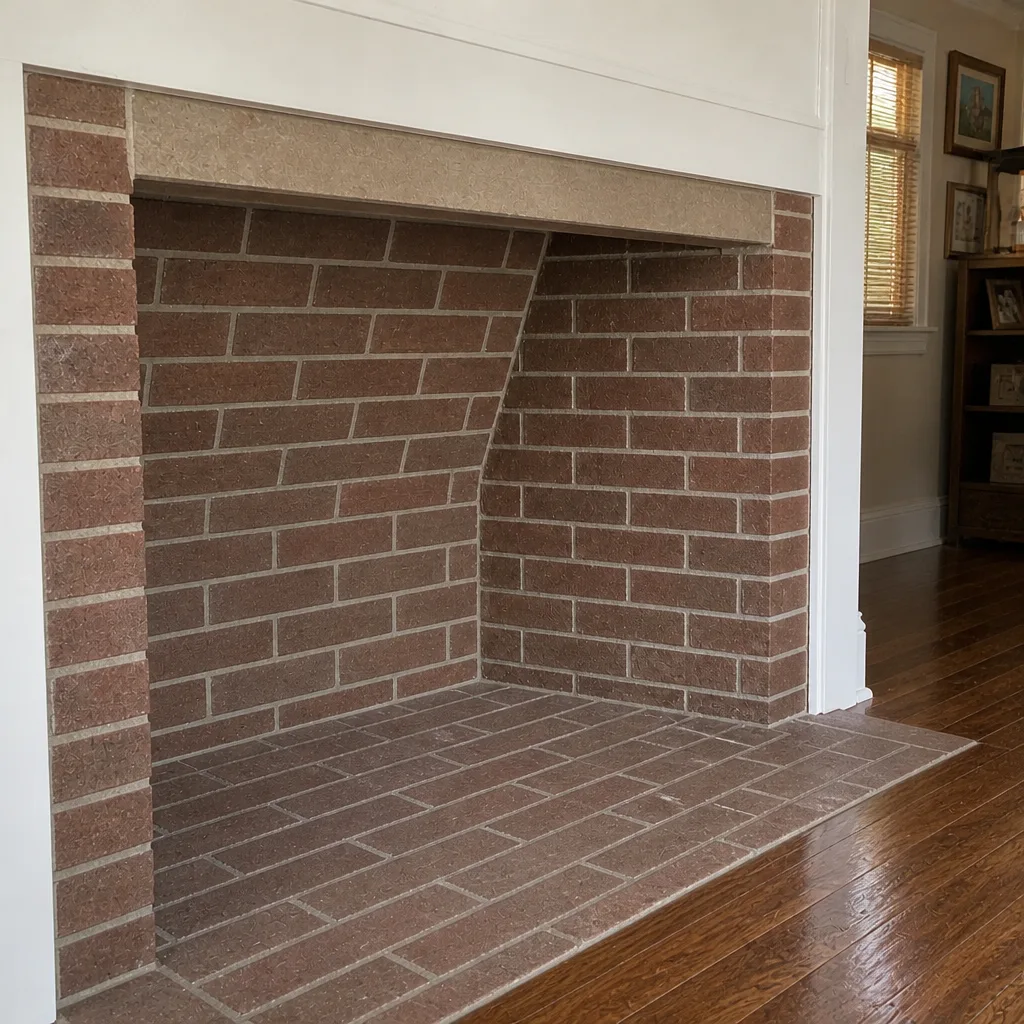
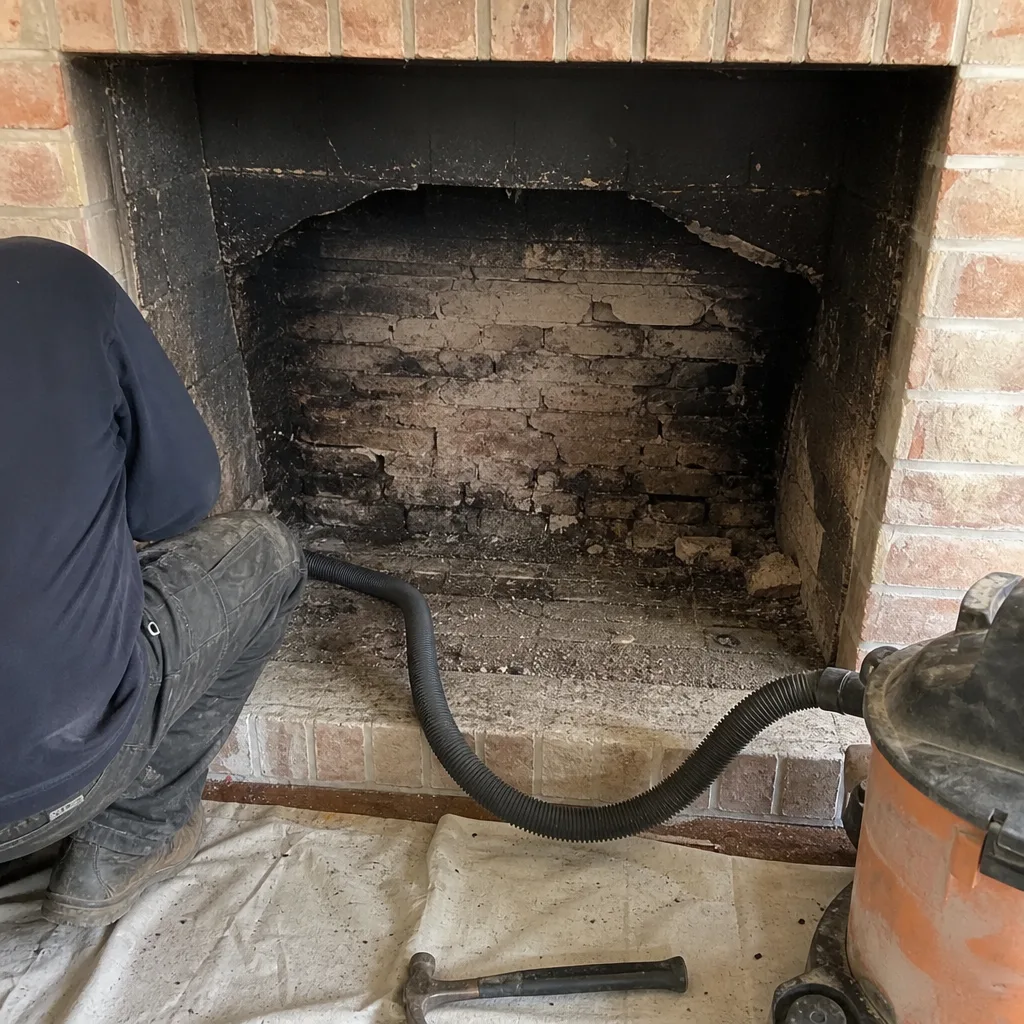
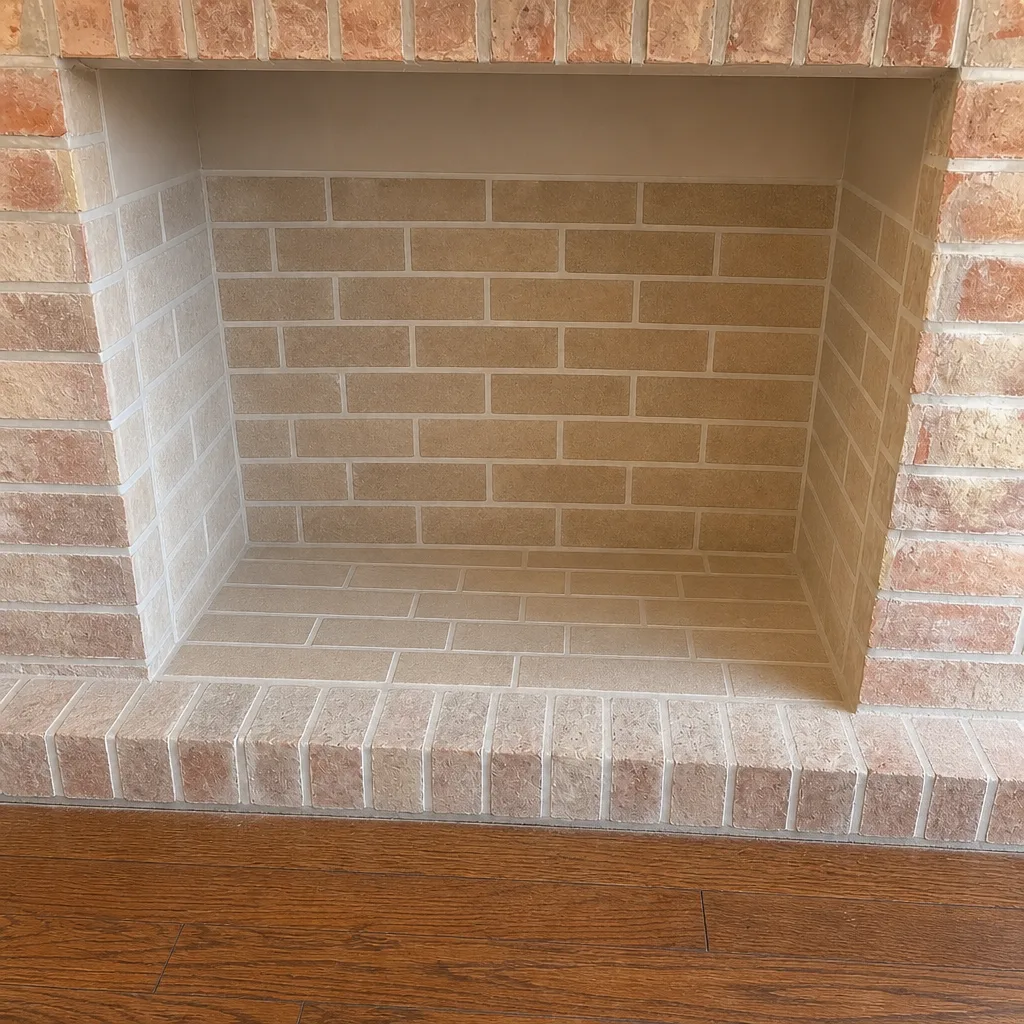
See the difference
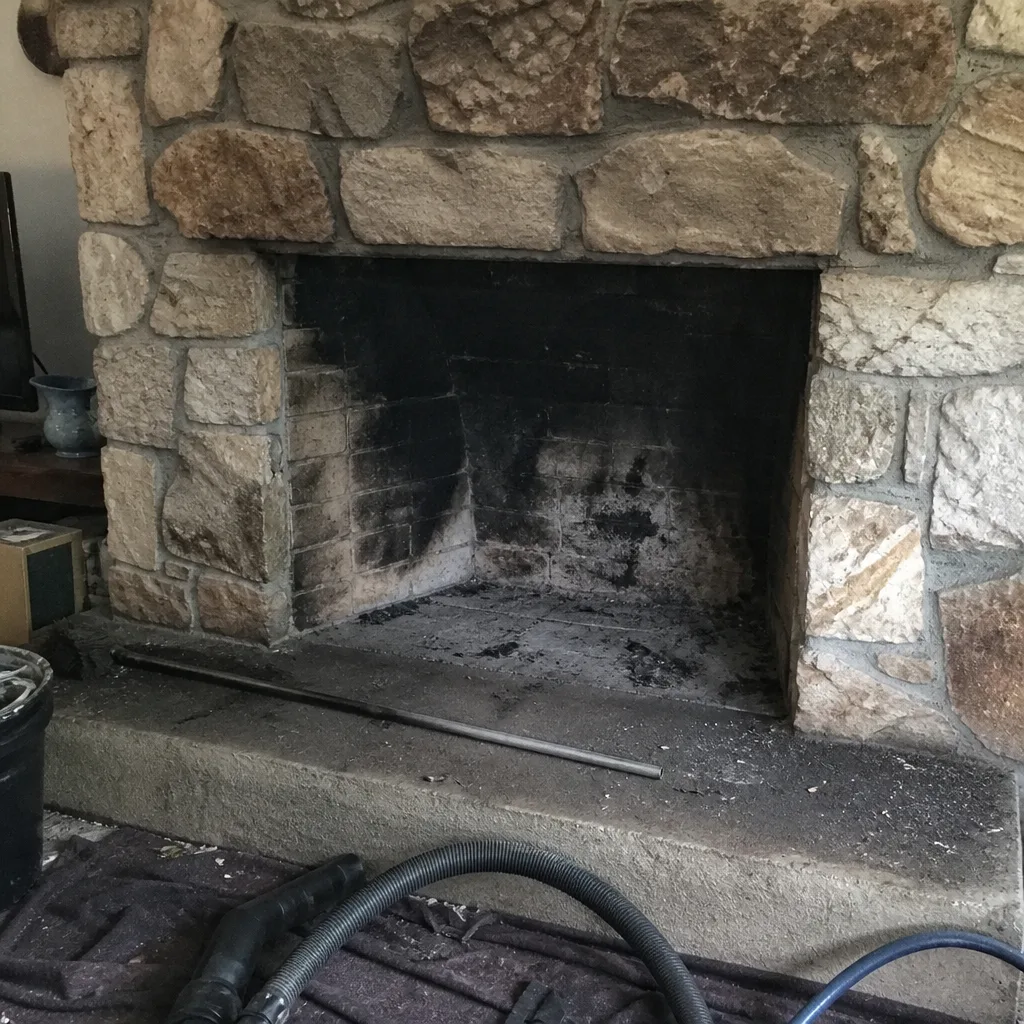 Before
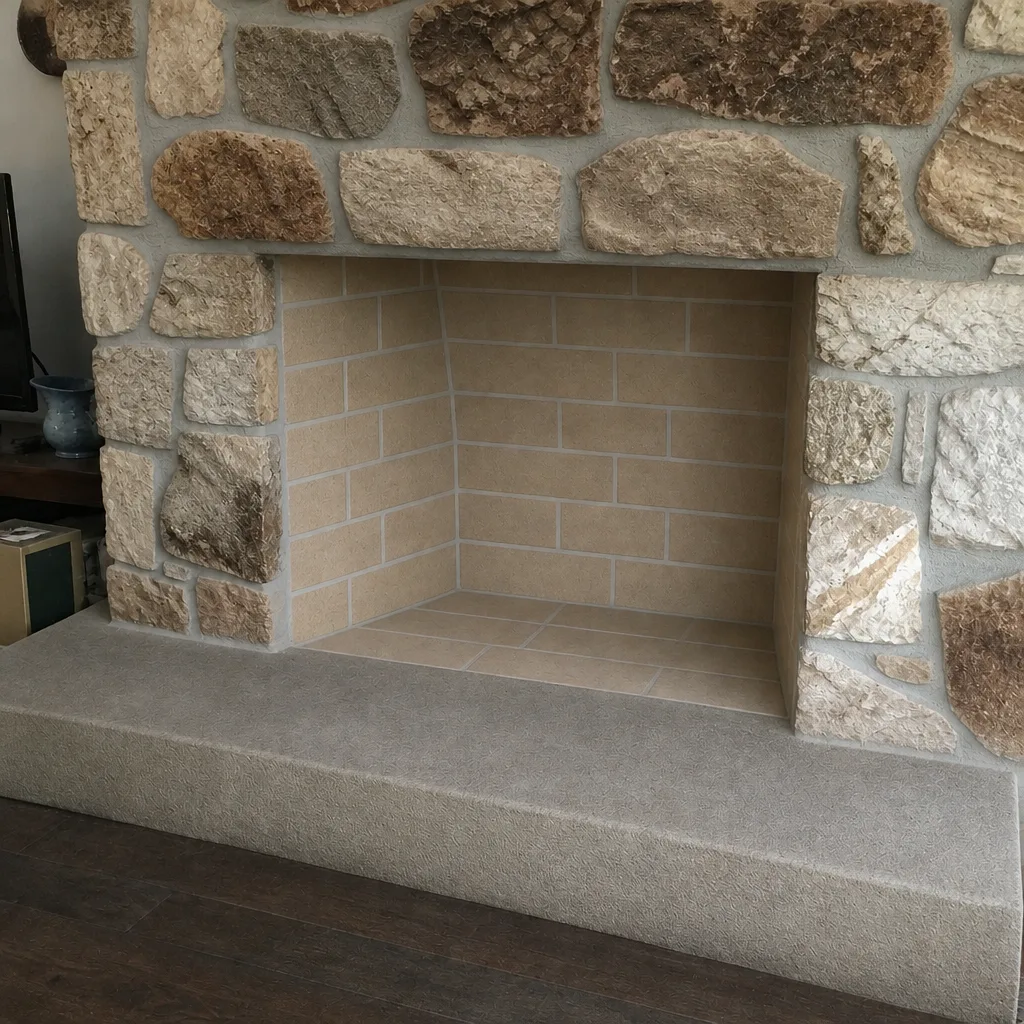 After
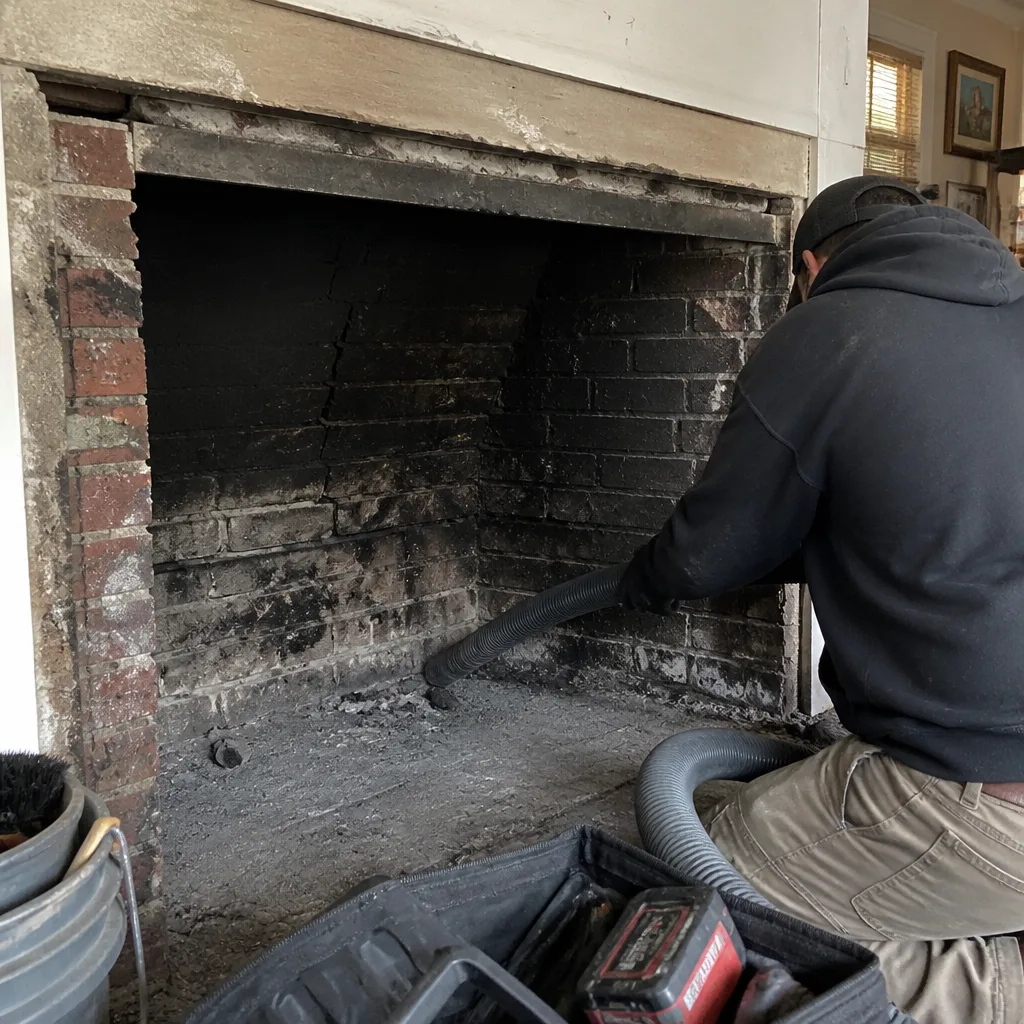 Before
 After
 Before
 After
What Causes Premature Chimney Damage in Lake City
Most of the chimney damage we’re asked to repair didn’t have to happen. It comes from a handful of preventable causes that show up again and again on Lake City homes with masonry chimneys. Knowing them helps you focus your checklist on the things that actually shorten a chimney’s life here.
- Water, over and over. Wet masonry that freezes and thaws through the cold months spalls and cracks. A cracked crown or a missing cap turns a slow, cheap fix into structural repair.
- Burning unseasoned wood. Green or damp wood burns cool and smoky, which lays down far more creosote than dry, seasoned wood. That buildup is fuel sitting inside your flue.
- Deferred small repairs. A hairline crown crack, a torn cap mesh, a spalled brick: each is minor on its own and expensive once it’s had a few seasons to grow.
- Oversized or smoldering fires. A fire that’s choked down and left to smolder produces the heaviest creosote. Hot, clean burns leave less behind.
- Idle chimneys left uncapped. A chimney that sits unused for a season with no cap collects rain, debris, and animals. It’s the most common reason a “perfectly good” chimney needs work before its next fire.
When damage does reach the flue liner, you have options beyond a full reline. HeatShield resurfacing can restore a deteriorated liner without the cost of full replacement where the flue qualifies, and when a full reline is the right call, a DuraFlex stainless flexible liner is the industry standard for older or offset flues. Specified materials matter as much as the labor, and which one fits your chimney is something an inspection decides.
Common Mistakes to Avoid
- Treating “annual” as “sometime this year.” Sweep timing should follow how much you burn, not the calendar. A weekly wood burner needs more frequent attention than a twice-a-month one.
- Skipping the exterior because you can’t see the roof from the ground easily. Binoculars from the yard catch cracked crowns and missing caps that a ladder would confirm. Check from the ground at minimum.
- Leaving a damaged cap in place through the wet season. A torn or missing cap lets rain and animals straight into the flue. Replace it before the rains, not after.
- Burning wet or green wood to save on firewood. It costs you in creosote. Dry, seasoned wood leaves less buildup and burns cleaner.
- Reaching up into the flue yourself. Cleaning or inspecting the flue from inside is genuinely dangerous: creosote is corrosive and flammable, and a fall or a blocked flue is a real hazard. Leave the flue to a trained professional and stick to what you can see through the damper.
- Accepting a big repair quote with no camera evidence. Ask to see the inspection footage and photos before anyone recommends liner or masonry work. You should be able to see what they see.
- Ignoring the interior smell. A strong creosote or smoke smell on a damp, fireless day is your chimney telling you it’s due for a sweep.
When to Call a Professional
Some of this checklist is yours to do. Some of it belongs to a trained professional, and knowing the line matters. Call for a sweep when you smell creosote, when the smoke shelf is loaded with debris, or when it’s been a season or more since the last cleaning. Call for an inspection when you spot a cracked crown, efflorescence or moss on the brick, a damaged or missing cap, or visible cracking in the flue tile through the damper. Call immediately if smoke rolls into the room, if you hear animals in the flue, or if you have a gas appliance vented through the chimney and you’re not sure it drafts properly. Our technicians have up to 12 years of experience, and a free estimate means there’s no reason to wait. Chimney Sweep Lake City offers free estimates in Lake City. Call (833) 703-5416. We answer 24/7. Fast dispatch from 7am to 7pm, Sunday through Friday.
Frequently Asked Questions
A standard sweep is priced per job by a written estimate, so the number depends on your chimney and how much buildup it has, but you’ll get a flat price agreed before we book so there are no surprises. Call (833) 703-5416 for an exact quote; estimates are free.
Not always. A deteriorated flue liner sometimes qualifies for HeatShield resurfacing, which restores it without the cost of full relining, and when a full reline is needed, a DuraFlex stainless flexible liner is the standard. Whether yours qualifies depends on what an inspection and camera look find, and you should be able to see that evidence yourself. Call (833) 703-5416 for an exact quote; estimates are free.
It depends on how you burn. A fireplace you use twice a month needs an annual inspection with a sweep when buildup warrants it, while weekly wood burning calls for at least one sweep a year and maybe a second. A gas appliance still needs an annual venting check. Call (833) 703-5416 for an exact quote; estimates are free.
Creosote keeps building up in the flue, and water keeps working into any crack in the crown or cap, which is how small problems turn into structural repairs. There’s also real fire and carbon monoxide risk once a flue is heavily fouled or obstructed, so skipping maintenance isn’t a free choice. Call (833) 703-5416 for an exact quote; estimates are free.
You can safely check the exterior from the ground and look through the damper from the firebox, which this checklist covers. Anything that involves reaching into the flue or going onto the roof is worth leaving to a trained professional. Call (833) 703-5416 for an exact quote; estimates are free.
Yes. A gas appliance vented through the chimney still needs an annual inspection for blockages, corrosion, and proper draft, since a compromised vent is a carbon monoxide concern. It’s part of the same chimney system a sweep checks. Call (833) 703-5416 for an exact quote; estimates are free.
The Bottom Line
Chimney maintenance in Lake City isn’t a list of boxes to tick; it’s a habit of watching for the small, observable signs that something is changing. Check the crown, cap, flashing, and brick twice a year around the wet season. Look into the firebox once a month through heating season. Sweep based on how much you actually burn, and photograph what you see so a contractor has a baseline. When you spot cracking, staining, or a compromised cap, that’s your signal to call. Chimney Sweep Lake City covers the whole system, from sweeping through fireplace repair and top to bottom, so you’re not hunting for a second contractor. Call (833) 703-5416. We answer 24/7. Fast dispatch from 7am to 7pm, Sunday through Friday.
Written by the team at Chimney Sweep Lake City.