
Last updated November 25, 2026
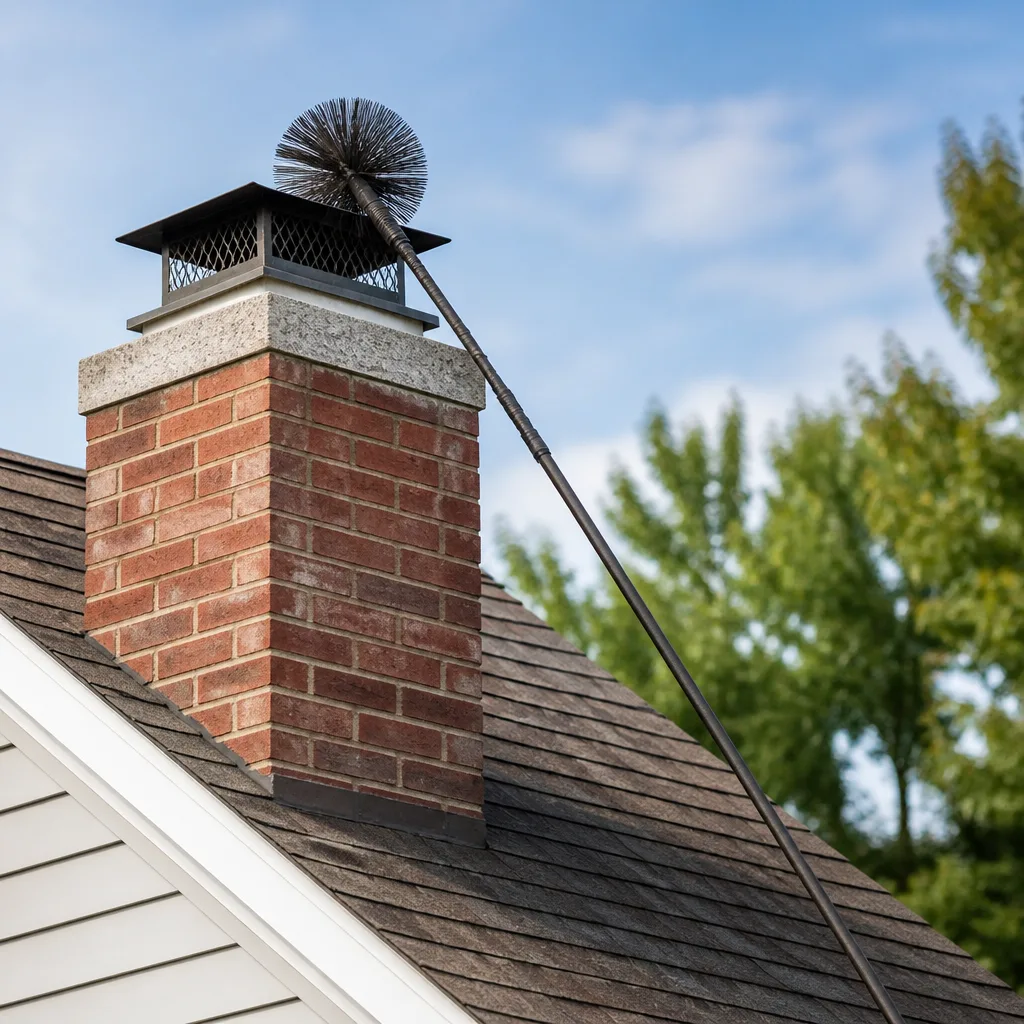 Sweep & inspection
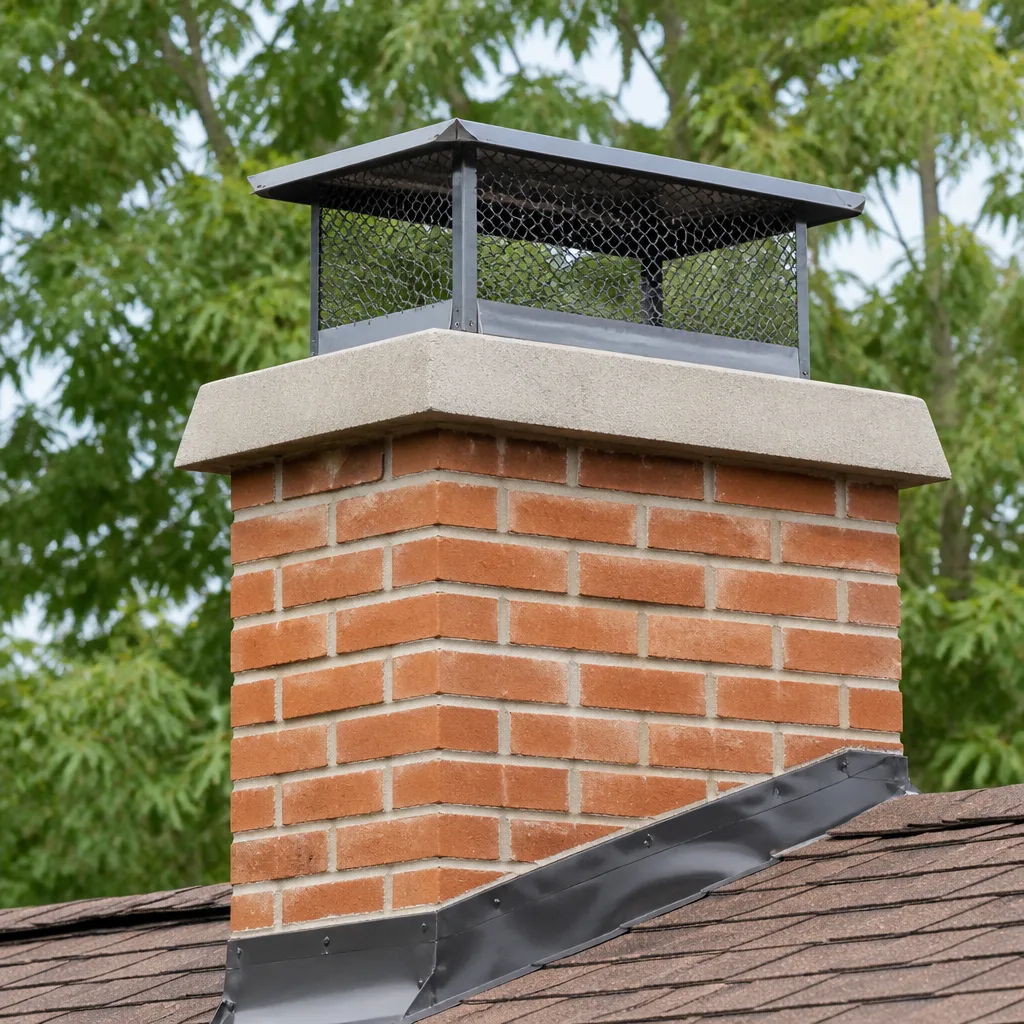 Caps & crowns
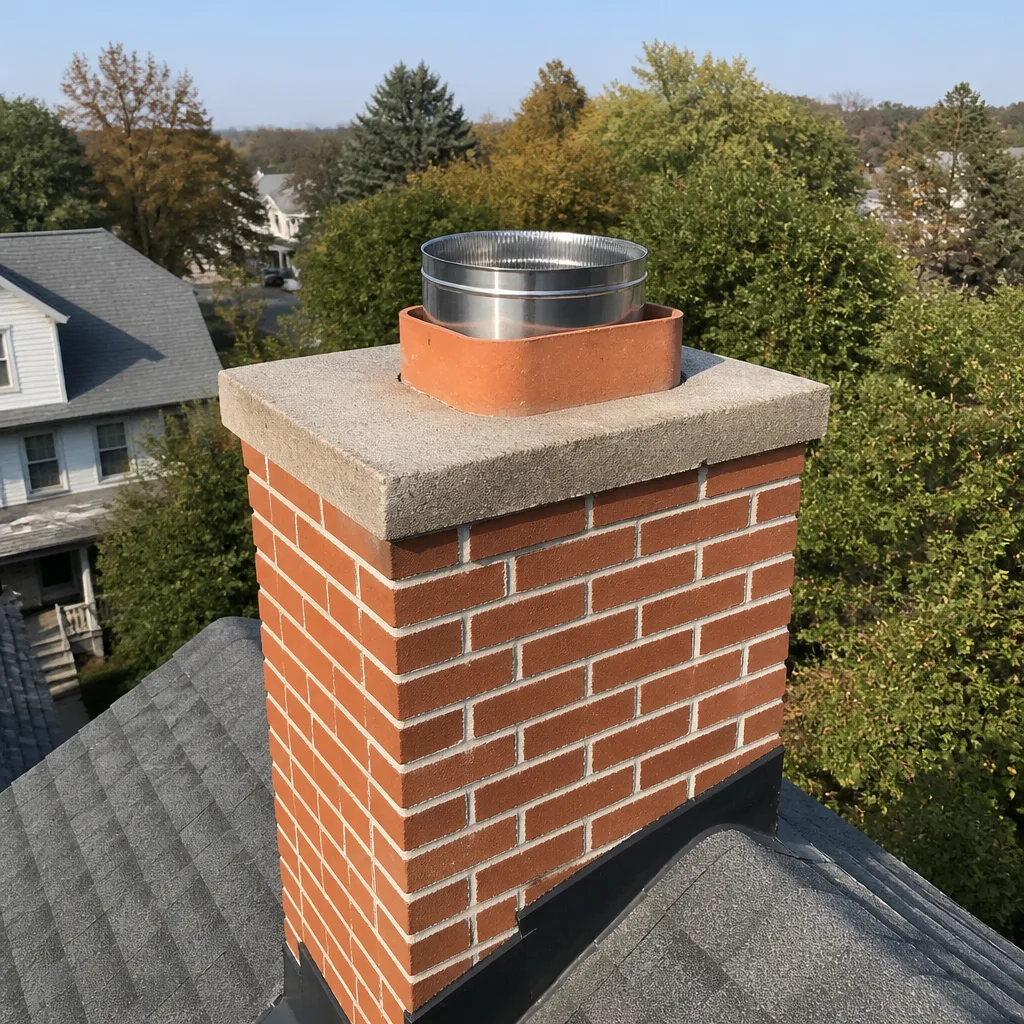 Flue relining
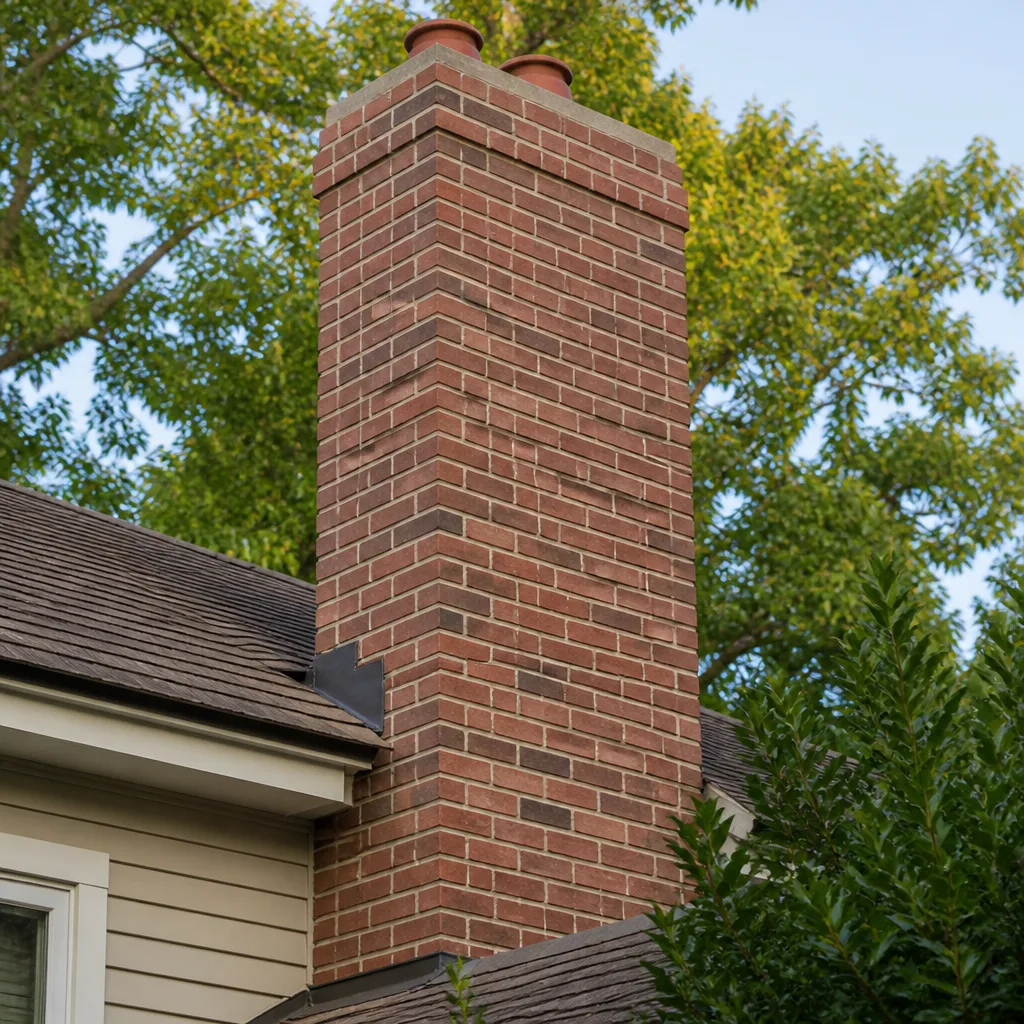 Masonry repair
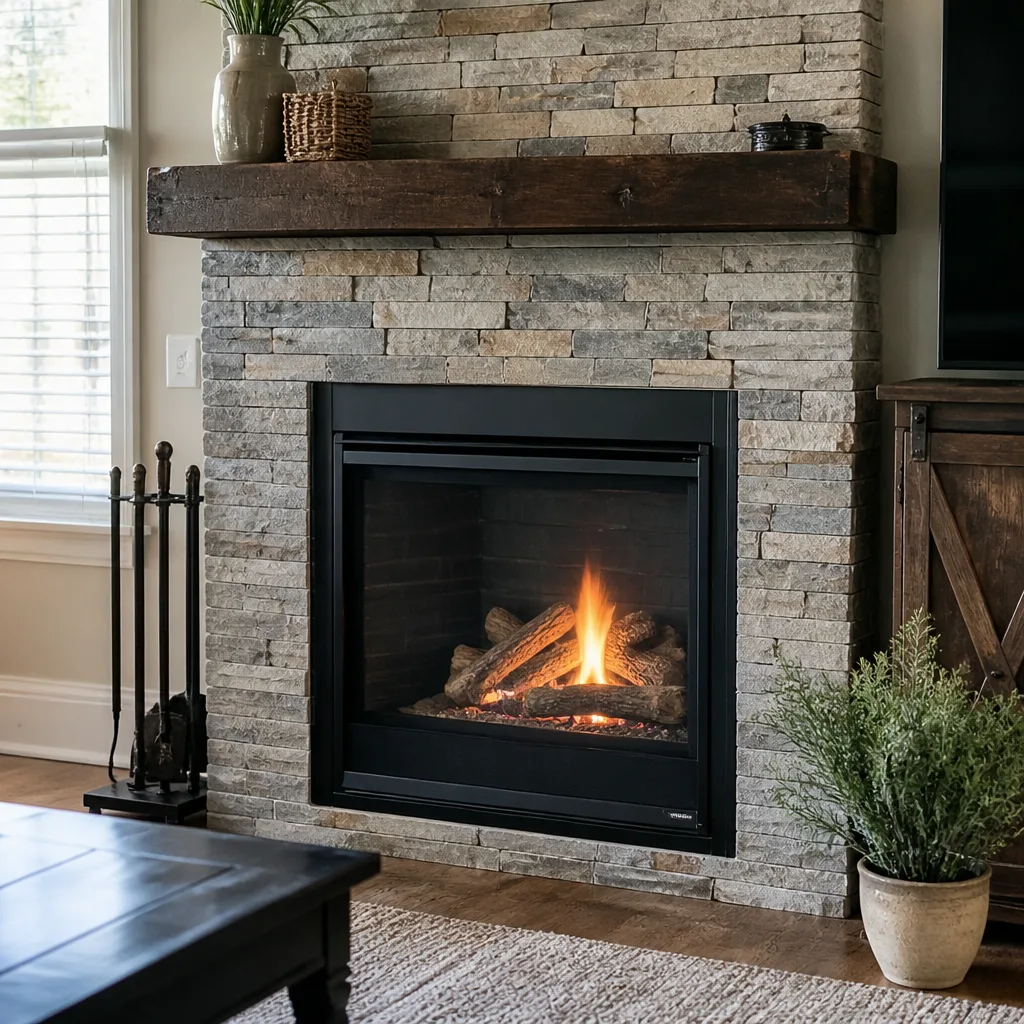 Gas fireplace service
Level 1 sweep and inspection to the NFPA 211 annual standard - flue, crown, cap, and flashing checked and photographed
Chimney sweep logs do not sweep chimneys. They loosen some creosote - which then falls where a brush and vacuum still have to collect it.
Chimney Cleaning Warning Signs: A Lake City Homeowner’s Reference Guide
Most chimney warning-sign guides tell you to look inside the firebox. That’s the easy part, and it’s also where homeowners miss the real story. In our experience, some of the most serious flue problems in Lake City announce themselves somewhere else entirely: a campfire smell drifting through the house in July, a brown stain spreading across the ceiling near the chimney chase, or white chalky bloom on the exterior brick. Your chimney is a system that runs from the firebox to the cap, and it talks to you through the whole house. This guide covers the signs people rarely connect to the chimney, what each symptom usually means, and when it’s time to book a proper look.
Quick Answer
The core warning signs that your chimney needs attention are: odors in the house when the fireplace is cold and sealed, staining on interior walls or ceilings near the chimney chase, visible daylight through the flue from below, smoke rolling back into the room, rust or chalky deposits inside the firebox, and animal or wind noise that changes with weather. Any one of these is a good reason to book a chimney inspection with a camera. Chimney Sweep Lake City handles the full system, from sweeping and inspection through cap and crown, liner work, and repair, so a single visit tells you whether you need a sweep, a repair, or nothing at all.
Styles & brands we work with
- Sweep & inspection
- Caps & crowns
- Flue relining
- Masonry repair
- Gas fireplace service
Table of Contents
- Warning Signs Outside the Firebox
- What That Summer Campfire Smell Actually Means
- Draft Problems and What They Point To
- Reading Chimney Sounds: Wind, Animals, and Cracked Tile
- Firebox Signs Homeowners Misread
- The Spring Warning to Look For After Freeze-Thaw
- Symptom-to-Problem Map
- What a Proper Inspection Involves
Warning Signs Outside the Firebox
The firebox gets all the attention, but the masonry and framing around your chimney carry the earliest evidence of a problem. Because a Lake City chimney sits exposed to wet winters and dry summers, water is usually the culprit behind what you’re seeing. Moisture gets in, soaks the masonry, and shows itself on surfaces far from the fire.
These are the signs to watch for on the structure itself:
- White chalky staining on exterior brick or mortar. This is efflorescence, mineral salts pushed to the surface as water moves through the masonry. On its own it’s cosmetic, but it’s a reliable signal that water is traveling through brick that should be dry.
- Brown or tan stains on interior walls or ceilings near the chimney chase. This can be water finding its way down the flue or around a failed flashing detail. A stain that grows or darkens after rain is worth investigating.
- A musty smell in the room next to the chimney wall. That closed-in, damp smell in an adjacent room often points to moisture trapped in the masonry or the framing beside the chase, not a plumbing leak.
- Loose or spalling brick near the crown. Brick faces that flake or pop off near the top of the chimney usually follow repeated wet-and-freeze cycles that a failing crown should be shedding.
- Chimney leaning or separating from the house. A hairline gap at the roofline that widens is a structural concern that needs a look sooner rather than later.
None of these require you to climb onto the roof. Most can be spotted from the ground with binoculars, or from a window that faces the chimney. In our experience, water-related damage is the most common thing Lake City homeowners miss simply because they never look up at the crown. When the evidence points to the top of the chimney, work on the chimney cap & crown is usually the fix: a proper cap and a sound, sloped crown shed water away from the flue before it can soak in.
What That Summer Campfire Smell Actually Means
A strong campfire smell inside a Lake City home in July, with the fireplace damper closed and the hearth unused for months, is not a ventilation quirk. It’s a moisture-creosote interaction. The creosote left on the flue walls from last winter’s fires absorbs humidity from the summer air, and when the air pressure in the house shifts, that smell comes back down the flue and into the living space. You’re smelling deposits that have no business still being up there.
Odors are one of the most misread warning signs, and they come in a few distinct flavors. Recognizing which one you have helps you describe it accurately to a contractor:
- Campfire or smoky smell in warm weather. Creosote plus humidity, usually meaning the flue is overdue for a sweep and the liner deserves a close look.
- A sharp, acrid, almost chemical smell. This is often glazed or heavily built-up creosote, the kind that has been baked on over more than one season and carries real fire risk. This one shouldn’t wait.
- A musty, damp smell that never quite clears. Water inside the chimney system, from a missing cap, a cracked crown, or a compromised liner.
- A dead-animal smell, especially in spring or fall. Birds, squirrels, or raccoons that got past a missing or damaged cap and couldn’t get out.
The creosote smell is the one to take seriously first. Creosote is the flammable residue of incomplete combustion, and it’s the fuel behind most chimney fires. If deposits have built up enough to announce themselves all summer, they’re thick enough to matter. A routine chimney sweep removes them before they become a hazard, and a camera inspection tells you whether the liner underneath is still sound. If the answer is no, we can talk about a DuraFlex flexible liner or HeatShield resurfacing depending on the condition of the flue.
Draft Problems and What They Point To
Draft problems are useful because different symptoms point to different underlying causes. A chimney that won’t draw well is telling you something specific, and learning to separate the symptoms saves a lot of guessing.
Smoke rolling back into the room. Smoke that spills out when you first light a fire or when the damper is open usually means the chimney isn’t pulling air up fast enough. Causes range from a flue that’s too cold to start, to a blocked or partially blocked flue, to a chimney that’s undersized for the firebox opening, to negative pressure in the house from kitchen and bath exhaust fans. A camera inspection separates the structural causes from the pressure-related ones.
Slow, lazy ignition. If lighting the fire takes longer than it used to, or the kindling smolders before it catches, the flue may not be establishing draft. This can be a buildup issue, a cold-flue issue, or a sign the cap or flue top is partly obstructed.
Downdrafting. Smoke or cold air pushing down into the room, especially on windy days, usually means the top of the chimney is in the wrong place relative to the wind, or the flue opening is being affected by a failing cap or a nearby roofline. The fix often lives at the top of the chimney, not the bottom.
A fire that burns unevenly or wood that won’t catch fully. Poor draft leads to incomplete combustion, which leads to more creosote. What looks like bad firewood is sometimes a flue that isn’t doing its job.
If you’re getting smoke in the room with the damper open, stop using the fireplace until it’s inspected. That’s not a rule we like to impose, it’s the sensible call: a draft problem with a blocked or cracked flue can put carbon monoxide into the living space instead of smoke. The fireplace repair side of the work often starts here, with a diagnosis of why the fire won’t draw.
Reading Chimney Sounds: Wind, Animals, and Cracked Tile
Chimneys make noise, and most of it is harmless. The trick is learning to tell the ordinary sounds from the ones that mean something. The key is whether the sound changes with the weather or shows up on its own.
- Wind noise that rises and falls with gusts. A low howl or hum that tracks the wind is normal air movement over the cap and flue opening. It becomes worth a check only if it’s new or much louder than it used to be.
- Flapping or rattling in a storm. Could be a loose cap, a damper that’s not seating, or a bird inside. If it’s persistent, it deserves a look.
- Scratching, rustling, or chirping, especially in spring and fall. Animal activity. Squirrels and birds get into uncapped or poorly capped flues regularly, and a nest is a blockage and a fire hazard at once.
- A light, ticking or crackling sound with no fire burning. This can be the sound of loosened tile or masonry working as the chimney expands and contracts. It’s harder to pin down than animal noise and is best confirmed with a camera.
- A deep thud or a rumble. If you hear something drop down the flue, stop using the fireplace and get it inspected before you light another fire.
When you call, describe the sound and when it happens: “Rustling at night in the spring” tells a technician a different story than “a hum whenever it’s windy.” That detail helps us bring the right approach instead of guessing. In our experience, the animal-activity calls cluster in the spring, and the tile-noise calls tend to follow a hard winter. Knowing which you have keeps the visit efficient.
Firebox Signs Homeowners Misread
Inside the firebox, several warning signs get misread as “normal wear.” They’re not always serious, but they’re worth knowing for what they actually indicate.
Rust on the damper plate or damper frame. Rust means moisture, and moisture in the firebox usually means water is coming from above. The rust tells you there’s a problem further up the chimney, not that the damper itself is worn out.
White chalky deposits on the back wall of the firebox. Same mineral bloom you’d see on exterior brick, showing up inside. It points to moisture moving through the masonry behind the firebox, often with a cracked liner or a failing crown above it.
Uneven smoke staining patterns. If the staining is heavier on one side or streaks in a pattern, the draft isn’t pulling evenly. Sometimes it’s the firebox shape, sometimes it’s the flue above. A technician can usually tell which from the pattern.
Cracked or missing firebrick, or gaps in the mortar joints. Firebrick is meant to take the heat so the masonry behind it doesn’t. When it fails, the surrounding structure is exposed to temperatures it wasn’t built for. Cracks wider than a hairline, or any brick that’s come loose, warrant inspection.
A damper that won’t open fully, or won’t close tight. A damper that won’t close lets heated air escape in winter and lets humid air in during summer, which feeds the creosote smell problem. A damper that won’t open fully restricts draft.
How we read these signs in a single visit
None of these should be diagnosed by looking alone. A camera inspection lets us see the flue from top to bottom, and the photo report shows you exactly what we see. That evidence is what separates a real recommendation from a guess. If the firebox and firebrick look sound but the liner behind them is deteriorating, HeatShield resurfacing can often restore the flue without the cost of full relining. If the liner is beyond that, a DuraFlex flexible liner brings the flue back to a code-compliant standard. The point is that the answer is specific to your chimney, and it’s based on what the camera shows.
The Spring Warning to Look For After Freeze-Thaw
In Lake City, the single most useful thing a homeowner can do each spring is look up the flue from inside the firebox with the damper open and a flashlight held to the side. If you can see daylight or a change in the light where the top of the chimney should be closed off, you’ve found something. Either the cap is missing or damaged, or the crown has cracked. Both mean water and animals have an open path into your chimney.
Why spring? Because winter is when the cycle does its damage. Water gets into a small crack in the crown, freezes overnight, expands, and widens the crack. It thaws during the day, water gets in deeper, and it repeats. One winter of freeze-thaw can turn a hairline crack into a real failure. The visible evidence shows up in the first warm weeks when you’re finally looking at the chimney again.
This warning is easy to check, and most Lake City homeowners have never been told to do it. A few things to look for:
- Daylight or a bright spot at the top of the flue with the damper open and the firebox dark. That’s the crown or cap failure sign.
- Water stains on the damper or firebox floor after rain. Some dampness is normal; standing water or a wet smear is not.
- Rusted or corroded cap visible from the ground. Caps sourced from dedicated chimney manufacturers, like the ones we install from Gelco and Famco, are built for the job. A generic hardware-store cover often isn’t.
- Cracked or missing mortar at the crown where it meets the flue, seen with binoculars from the yard.
If you find any of these, book an inspection before the fall burning season starts. Chimney work is seasonal, and the spring is a better time to catch a crown failure than the first cold week of autumn.
Symptom-to-Problem Map
Here’s a quick reference for matching what you’re noticing to what it usually indicates. This is a starting point for a conversation, not a replacement for inspection.
- Campfire smell in summer, fireplace unused: creosote buildup plus humidity, possibly a compromised liner. Book a sweep and inspection.
- Sharp acrid smell: glazed or heavy creosote. Treat as urgent.
- Musty smell near the chimney wall: water in the system, likely a cap or crown failure.
- Smoke rolling back with the damper open: draft or obstruction problem. Stop using until inspected.
- Slow ignition: draft or buildup issue. Sweep and camera check.
- Downdraft on windy days: cap or flue-top issue.
- Rust on the damper: moisture from above. Inspect the crown and cap.
- White bloom inside the firebox: moisture migrating through masonry. Full inspection needed.
- Rustling or chirping sounds: animal activity. Get the flue cleared and a proper cap installed.
- Ticking or crackling sounds with no fire: possible cracked tile or loose masonry. Camera inspection.
- Daylight visible up the flue: crown or cap failure. Book an inspection before the season starts.
- Brown ceiling stains near the chase: water intrusion. Inspect flashing, crown, and cap together.
Not every item on this list is a call-today problem. Some can wait a few weeks until you’ve had a chance to think it through. But several of them – smoke in the room, the acrid smell, a dropped object, visible daylight up the flue – point to something that should be looked at before you burn again. If you’re unsure which category you’re in, that’s what a camera inspection is for. We’d rather tell you everything is fine than leave you guessing.
What a Proper Chimney Inspection Involves
A chimney inspection isn’t just a sweep with a flashlight. Done right, it’s a structured look at the entire system, and the findings should be shared with you as evidence, not as a price quote. Here’s what a thorough inspection covers, in order.
- A conversation first. What you’ve noticed, what you burn, how often you use the fireplace, whether the symptoms change with weather. This directs where the technician looks hardest.
- An exterior check. Cap, crown, flashing, brick condition, and the chimney’s relationship to the roofline. This is where the spring warning signs from above get confirmed.
- A firebox and damper check. Firebrick, mortar joints, damper operation, and the signs inside the box we covered earlier.
- A flue camera inspection. The camera runs the full length of the flue from top to bottom, showing creosote level, liner condition, gaps, and obstructions. You see what we see.
- A photo report. Images of anything we flag, so you have a record and a second opinion is easy to get.
- A written recommendation. Whether you need a sweep, a repair, a liner, or nothing. And an honest statement of what can safely wait.
This is why we do the full-system approach. There’s no point sweeping a flue with a failed liner, and there’s no point recommending a liner when HeatShield resurfacing would solve it for less. The recommendation follows the evidence. If you need work done, it’s quoted per job in writing before anything starts, and the written estimate is what sets the final price.
Common Mistakes to Avoid
- Assuming summer odor is just “chimney smell.” A campfire smell in July means creosote is still in the flue. Waiting until fall lets it sit and spread into the living space, and it doesn’t get better on its own.
- Treating a hardware-store cap as a chimney cap. A generic cover often doesn’t fit properly, doesn’t shed water where it needs to, and does a poor job against animals. A cap sized for your flue, from a chimney-specific maker, does the job it’s designed for.
- Ignoring white staining on exterior brick. It’s easy to write off as weather, but on a chimney it usually means water is moving through masonry that should be dry. Catch it early and the fix is smaller.
- Burning with visible daylight up the flue. An open path at the top lets water, animals, and debris into the chimney. It also means the cap and crown aren’t protecting the structure.
- Delay on the acrid smell. If the campfire smell has turned sharp and chemical, the buildup is significant. This one shouldn’t wait for the fall.
- Booking a sweep-only service with no inspection. A sweep without a camera inspection tells you nothing about whether the liner is sound. It’s the diagnosis that matters, not just the cleaning.
- Taking the first recommendation you get at face value. Ask to see the camera photos before agreeing to a large repair. A technician who can show you the evidence is a technician you can trust with the work.
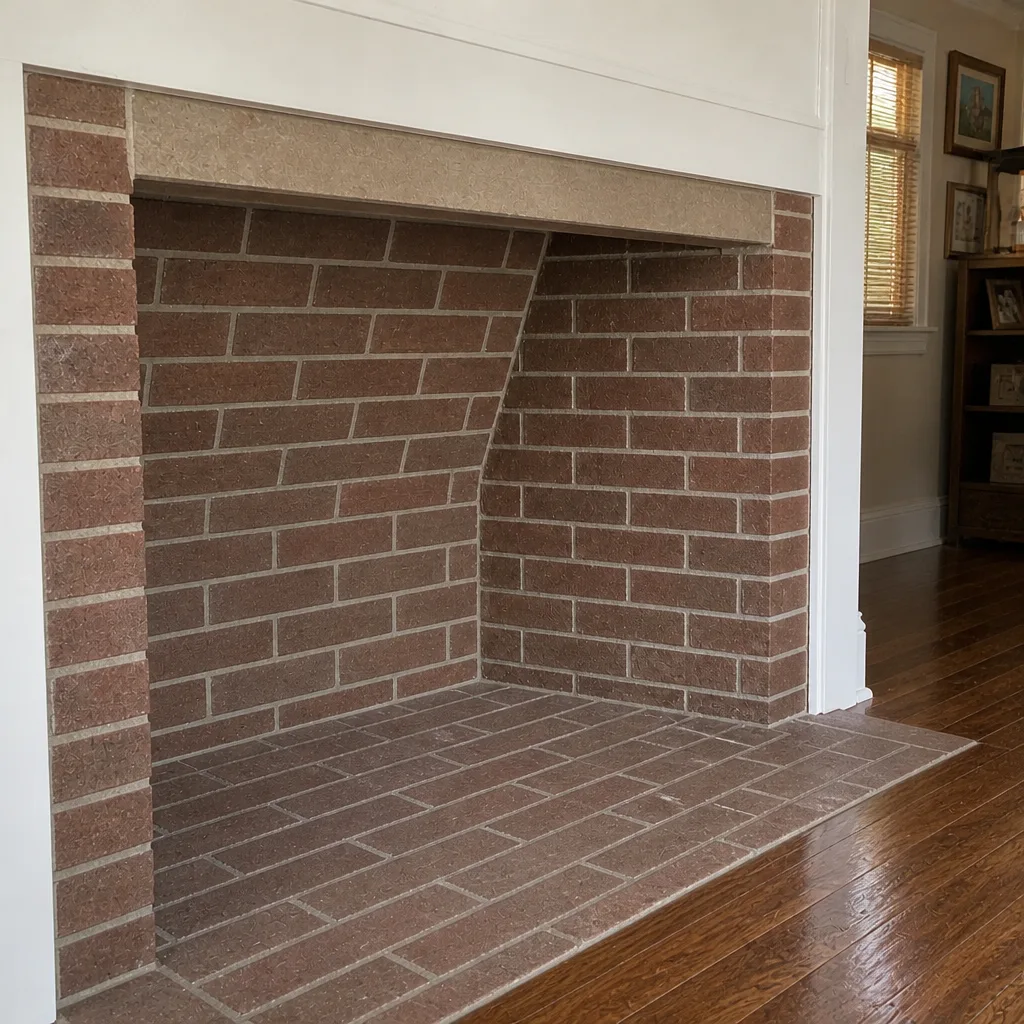
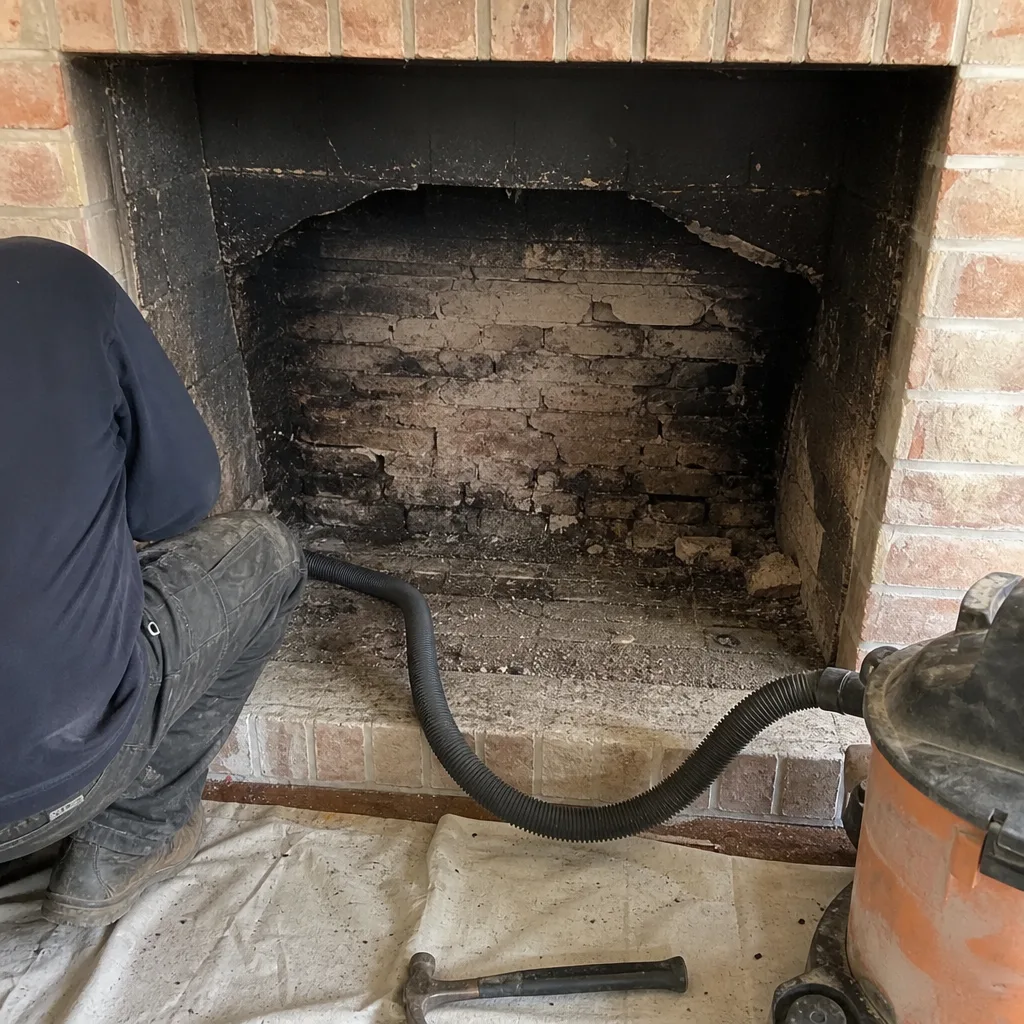
See the difference
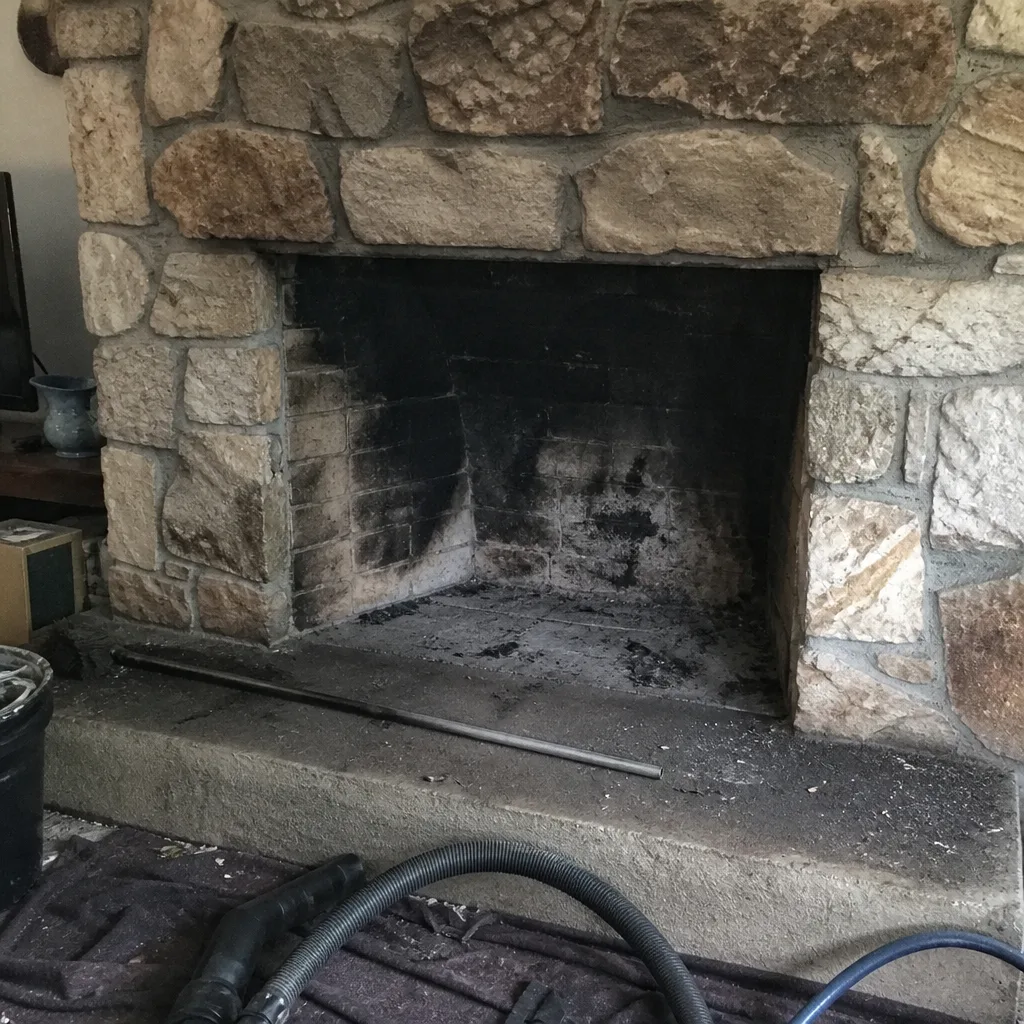 Before
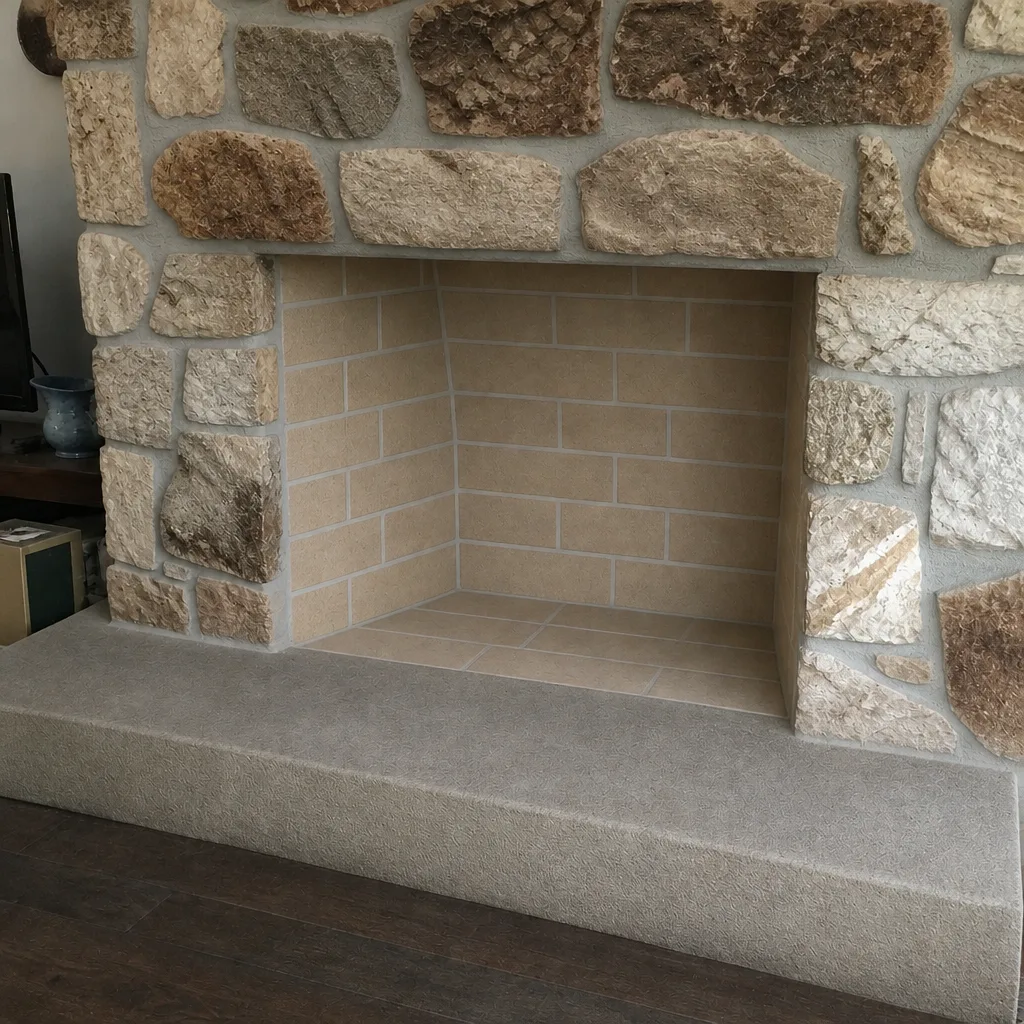 After
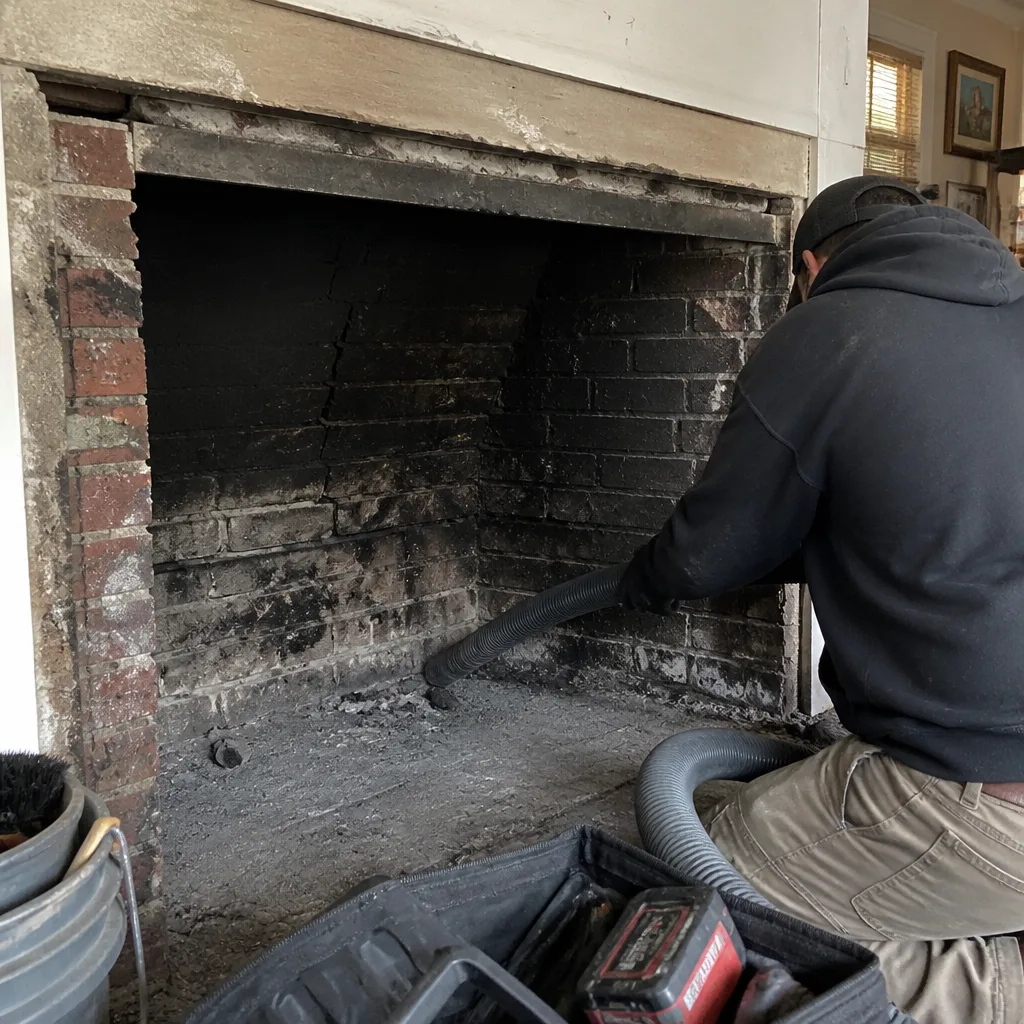 Before
 After
 Before
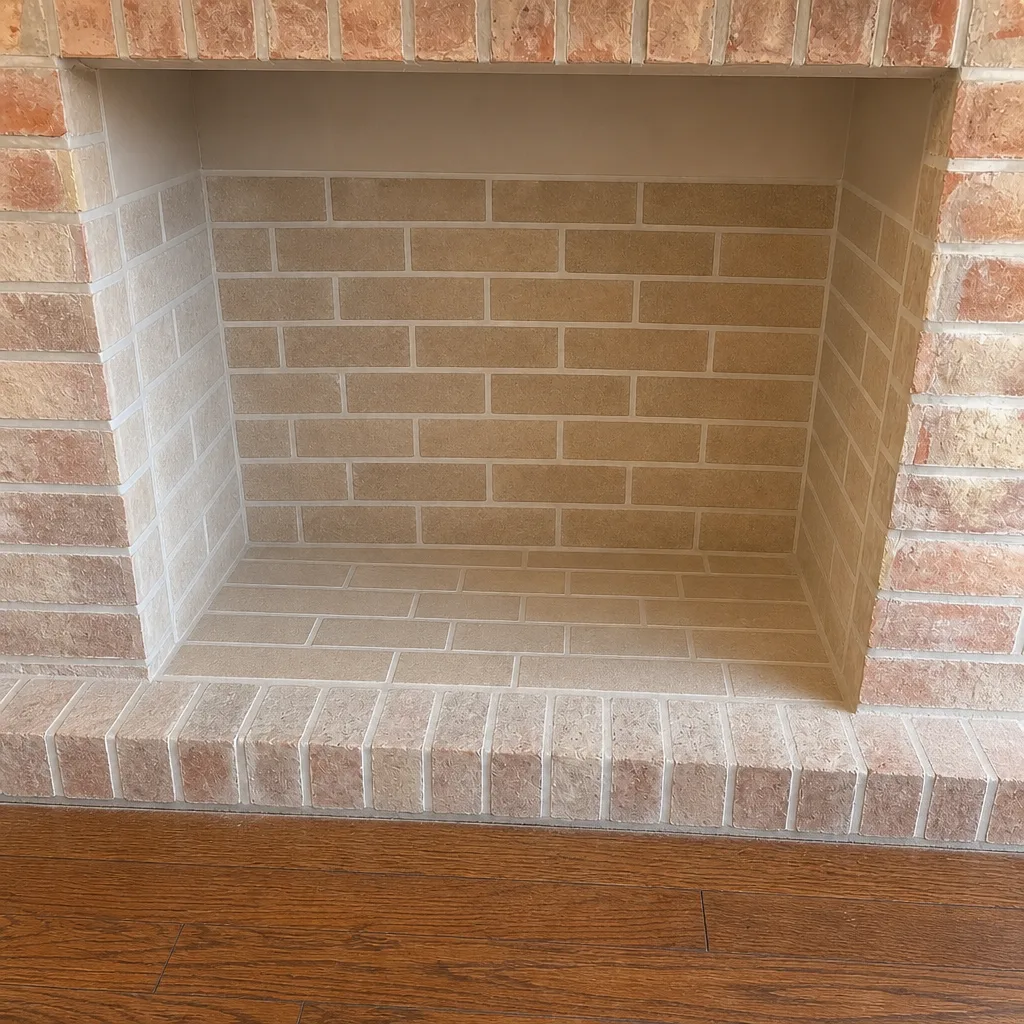 After
When to Call a Professional
Some warning signs are a “when you get around to it” item. Others are a “before you light another fire” item. Call us before the next burn if you’ve noticed smoke rolling back into the room, an acrid smell from the fireplace, a dropped or thudding sound inside the flue, visible daylight up the flue, or a brown stain that’s appeared or grown near the chimney chase. Call us at your convenience if it’s a summer campfire smell, chalky bloom on the brick, rust on the damper, animal noise, or a draft that’s gotten slow. Chimney Sweep Lake City offers free estimates in Lake City. Call (833) 703-5416. We answer 24/7. Fast dispatch from 7am to 7pm, Sunday through Friday. Our technicians have up to 12 years of experience, and every inspection includes a camera inspection and a photo report so you can see the evidence yourself.
Frequently Asked Questions
Pricing is set per job by a written estimate, and it depends on what the inspection finds. A routine sweep with an inspection is the base of the cost, and it goes up only if the flue reveals liner damage, a crown failure, or a repair that needs addressing. You’ll get a written estimate before any work starts, and the written estimate is what sets the final price. Call (833) 703-5416 for an exact quote – estimates are free.
Not always. A damaged liner has more than one fix. If the liner is deteriorated but structurally viable, HeatShield resurfacing can restore the flue without a full relining. If it’s cracked through or failed, a DuraFlex flexible liner is the standard solution for older and offset flues. The camera inspection is what decides which. Nothing is recommended without photos you can look at yourself. Call (833) 703-5416 for an exact quote – estimates are free.
In general, a chimney should be swept and inspected once a year, and more often if you burn heavily. The annual inspection matters as much as the sweep: it’s how you find a crown failure or a liner problem before it becomes a repair. Lake City’s freeze-thaw cycles make the annual spring look especially useful. Call (833) 703-5416 for an exact quote – estimates are free.
Skipped maintenance lets three things build up at once: creosote, moisture, and time. Creosote is the fuel for chimney fires. Moisture, working its way through a cracked crown or compromised liner, degrades the masonry. And time means the repair that would have been small gets bigger. A summer campfire smell is usually the first sign the flue is overdue. Call (833) 703-5416 for an exact quote – estimates are free.
Because the creosote left on the flue from last winter is absorbing humidity from the summer air and releasing that smell into the house. The fireplace is cold and sealed, and the smell still comes through, which is why it’s so easy to misread. It’s a reliable sign the flue is overdue for a sweep. Call (833) 703-5416 for an exact quote – estimates are free.
You can and should do the safe checks: look up the flue from the firebox for daylight, look at the exterior brick and cap from the ground with binoculars, and watch for ceiling stains near the chase. What you shouldn’t do is climb onto the roof or reach into the flue to investigate a problem. The safety side of the work is best left to trained professionals. Call (833) 703-5416 for an exact quote – estimates are free.
The Bottom Line
The warning signs worth knowing about a Lake City chimney are mostly not in the firebox. A campfire smell in July, white bloom on the exterior brick, brown stains near the chase, smoke in the room, and spring daylight up the flue all point to specific problems that a camera inspection can confirm. The pattern matters more than any single symptom: two or three minor signs together usually tell a clearer story than one dramatic one. Fixing a crown or cap early is a small job. Fixing a liner or chase after a season of water damage is not. One inspection tells you whether you need a sweep, a repair, or nothing. Chimney Sweep Lake City works on the whole system, from sweeping and inspection to cap and crown, chimney repair, and fireplace repair, with HeatShield, DuraFlex, Gelco, and Famco materials where they’re the right fit. Call (833) 703-5416 for a free estimate. We answer 24/7. Fast dispatch from 7am to 7pm, Sunday through Friday.
Written by the team at Chimney Sweep Lake City.