
Last updated November 25, 2026
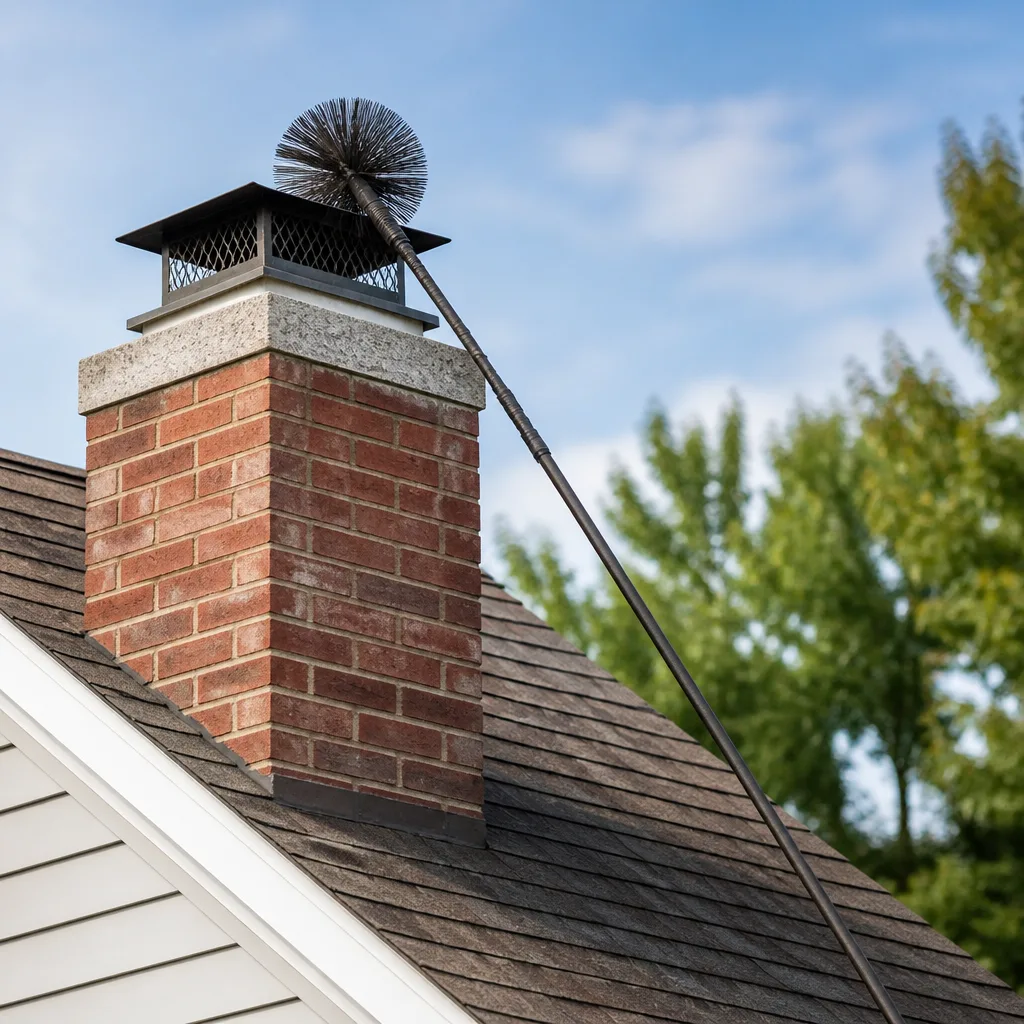 Sweep & inspection
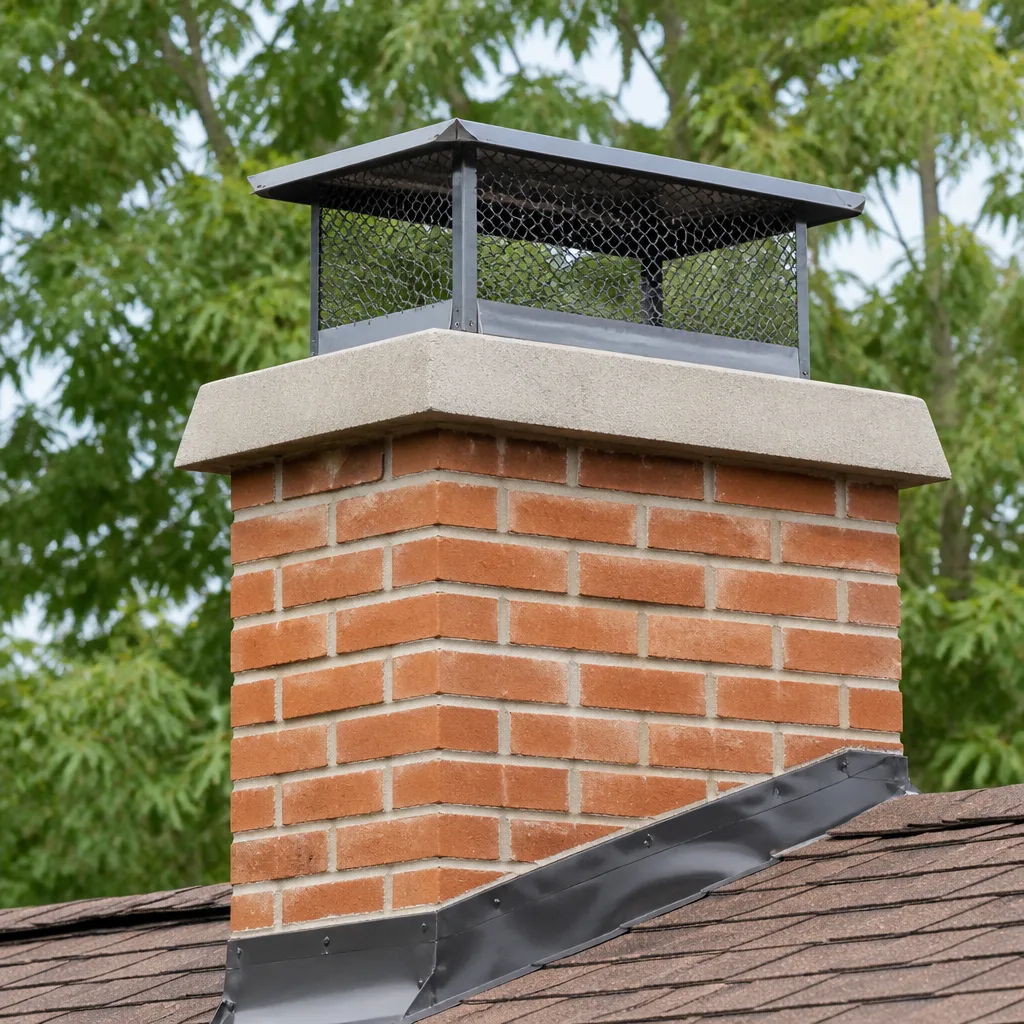 Caps & crowns
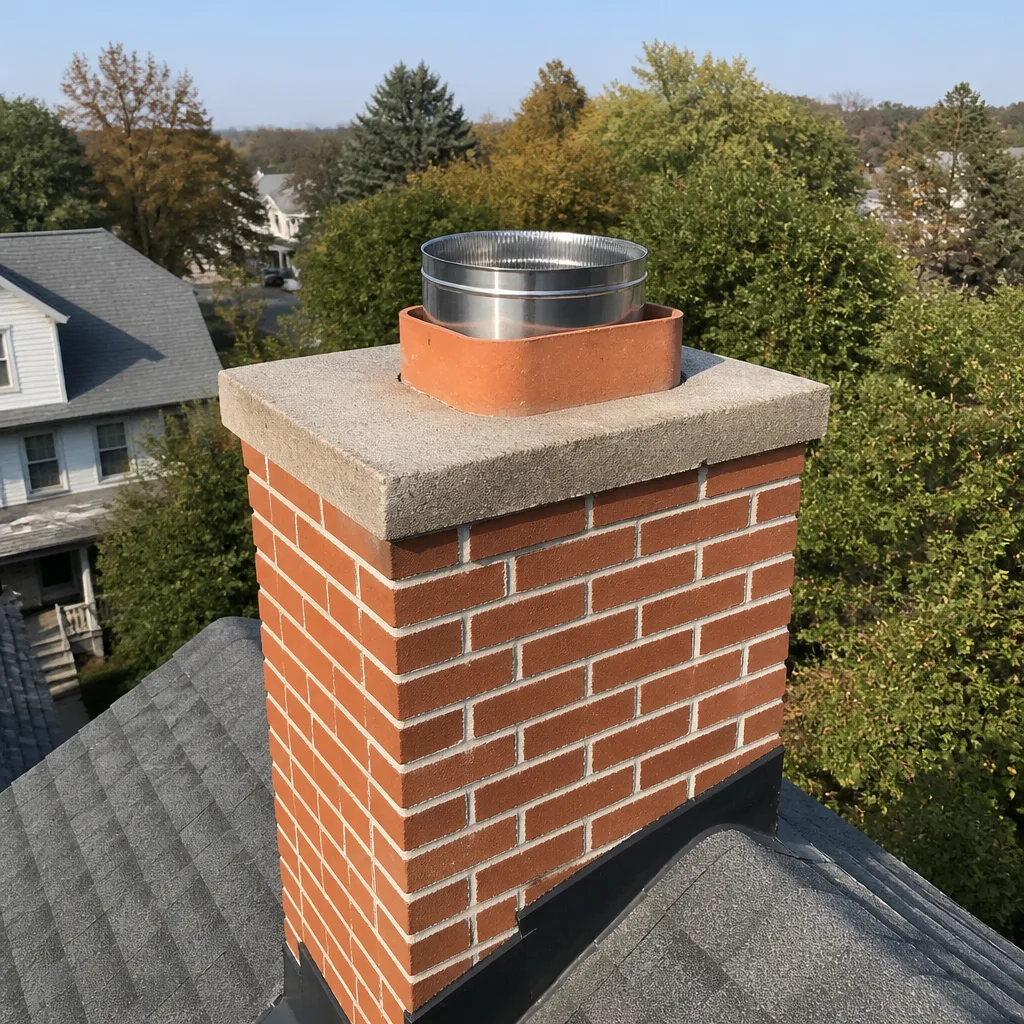 Flue relining
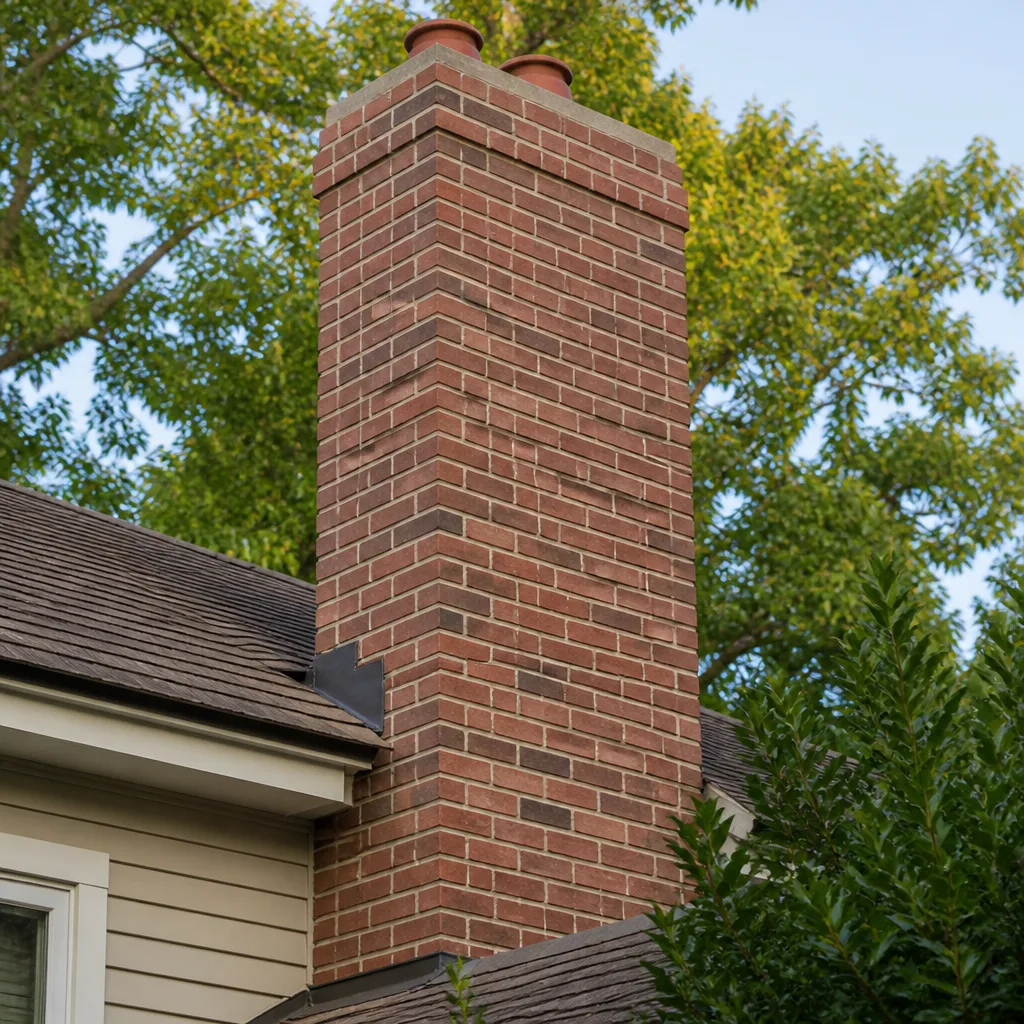 Masonry repair
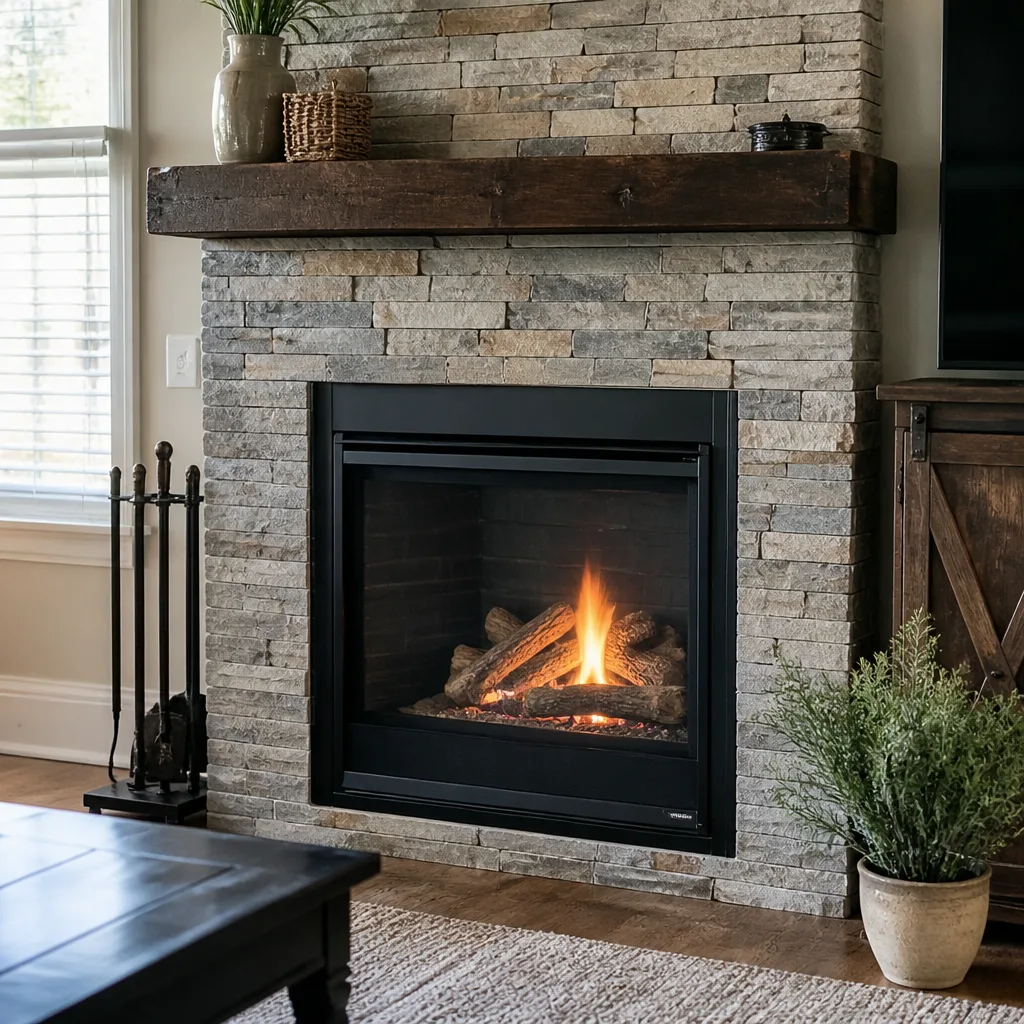 Gas fireplace service
Level 1 sweep and inspection to the NFPA 211 annual standard - flue, crown, cap, and flashing checked and photographed
Chimney sweep logs do not sweep chimneys. They loosen some creosote - which then falls where a brush and vacuum still have to collect it.
DIY vs Professional Chimney Cleaning: The Lake City Homeowner’s Decision Guide
Here’s the part most chimney cleaning articles skate past: a homeowner with a rod-and-brush kit will pull the same creosote out of the flue that a basic sweep removes. The brushing itself isn’t the hard part. The hard part is everything that happens after the soot settles – looking up a masonry flue and understanding what you’re actually seeing. A cracked liner tile, a smoke chamber with eroded corbeling, a cap gasket that’s letting water track down the crown seal. None of that announces itself with a sound. In Lake City, where plenty of homes heat with wood through damp, long winters, those hidden details are what separate a safe chimney from a problem waiting for the next fire. This guide walks through exactly what DIY covers, what it can’t, the real cost math, and the one scenario where cleaning your own flue genuinely makes sense.
Quick Answer
DIY chimney cleaning is worth doing only if you have a low-use fireplace, a liner that was inspected recently, seasoned hardwood as your only fuel, and no history of chimney problems – and even then you still need a professional inspection to keep the system verified. For most Lake City homeowners, a professional sweep is the better call because the cleaning is the cheap part; the diagnostic value of someone who knows what a healthy flue looks like from the inside is what you’re actually paying for. If you’re unsure which camp you’re in, have the chimney inspected first and decide from there.
Styles & brands we work with
- Sweep & inspection
- Caps & crowns
- Flue relining
- Masonry repair
- Gas fireplace service
Table of Contents
- What DIY Chimney Cleaning Actually Covers
- What DIY Structurally Cannot Assess
- The Safety Math: Where DIY Goes Wrong in Lake City Homes
- The Real Cost Comparison
- The One Scenario Where DIY Makes Sense
- What a Professional Sees That You Never Will
- Common Mistakes to Avoid
- When to Call a Professional
What DIY Chimney Cleaning Actually Covers
A standard DIY setup is a set of fiberglass rods, a brush sized to the flue, a drop cloth, goggles, and a shop vacuum with a fine filter. The homeowner feeds the brush up from the firebox or down from the roof, works it through the accessible flue section, and sweeps the loose soot and first-stage creosote off the liner walls. That’s the whole job. It’s a real cleaning, not a token effort, and it does remove the flammable buildup that accumulates from normal burning.
What it covers, specifically:
- The straight run of flue – the main vertical section the brush can reach from either opening.
- Loose soot and first-stage creosote – the powdery, flaky deposits that come off with brushing.
- The firebox floor and lower walls – sweeping out ash and debris from the bottom.
- The damper area – clearing soot that collects on and around the damper plate.
What it doesn’t cover, even when the homeowner does everything right:
- Offsets and bends – a brush passes through a straight section but doesn’t scrub an angled transition the same way.
- The smoke chamber – the tapering space above the damper that most brushes never properly reach.
- The crown, cap, and flashing – the exterior components that fail from weather long before the flue does.
- Liner condition – the interior surface of the flue tile or metal liner, which brushing touches but doesn’t evaluate.
In Lake City, where a lot of homes run wood fireplaces through a wet, cool heating season, creosote buildup happens faster than homeowners expect. That makes the accessible cleaning more valuable, not less. But it also means the parts you can’t reach are the parts that accumulate the deposits that cause trouble. If you want to know what a full-system sweep involves, our chimney sweep page breaks down the process step by step.
What DIY Structurally Cannot Assess
This is the heart of the argument, and it has nothing to do with skill. A homeowner can learn proper brushing technique from a video in twenty minutes. What they can’t do is evaluate what they’re looking at, because evaluating a flue requires tools and a reference point that only comes from seeing hundreds of them.
Three specific things a DIY cleaning cannot assess:
- Liner integrity. A masonry flue is lined with clay tiles joined by mortar. Those joints crack from heat cycling, settle, and shift. A hairline crack in a flue tile lets combustion gases escape into the structure of the house. You can’t see it from the top of the flue or the bottom – it shows up on a camera.
- Smoke chamber condition. The smoke chamber is the tapered section between the damper and the flue. Its corbeled walls collect creosote in ways that brushing misses, and the masonry itself erodes over time. A homeowner looking up from the firebox sees a dark cavity. A professional with a camera sees a specific surface and knows whether it’s sound.
- Draft performance. A chimney that drafts poorly can push smoke and carbon monoxide back into the living space. Testing draft requires a smoke pencil and knowing what a healthy draw looks like. It’s not something you can eyeball.
This is where professional materials matter as much as the person doing the work. When a liner turns out to be deteriorated, the fix isn’t generic hardware. HeatShield resurfacing can restore a damaged flue without full relining in the right conditions – a repair option that requires knowing the product exists and whether a specific flue qualifies. When a full reline is needed instead, DuraFlex stainless flexible liner systems handle offsets and older masonry flues that a rigid liner can’t navigate. The diagnosis comes first; the material follows.
The Safety Math: Where DIY Goes Wrong in Lake City Homes
The failure modes of DIY chimney cleaning aren’t dramatic. They’re quiet and cumulative. That’s what makes them worth spelling out.
Brush sizing. A brush that’s too small doesn’t scrub the liner walls evenly – it skips the corners of oval or rectangular flues, which is what many older Lake City masonry chimneys have. A brush that’s too large jams, and a jammed brush on a rod can crack a flue tile when the homeowner forces it. Flue tiles are brittle. A crack is a permanent problem.
Pushing debris into the smoke chamber. This is the most common DIY mistake. When a homeowner brushes down from the roof without a proper bottom seal and vacuum, soot and creosote fall into the smoke chamber and pile up on the smoke shelf. That’s a fire hazard sitting in a space they can’t reach to clean out. A professional sweep uses a vacuum with the right filter and a bottom seal to capture everything before it lands.
Stage 2 creosote. Creosote builds in three stages. Stage 1 is flaky and brushes off easily. Stage 2 is tar-like and sticky – it doesn’t come off with a brush at all. It requires chemical treatment to break it down before the flue can be swept. A homeowner with stage 2 creosote can brush for hours and remove almost nothing, while the flammable layer stays on the liner. Stage 3 is glazed and hard as glass, and it’s a fire risk that needs professional attention immediately. The only way to know which stage you’re facing is to look at the flue with a trained eye or a camera.
In a Lake City winter, a wood fireplace runs a lot of hours, and creosote can build to stage 2 or 3 faster than most people realize. A chimney fire fed by glazed creosote can crack a liner, spread into the framing, or push carbon monoxide into the house. We’re not in the business of scary stories – but a trained professional flags this because it’s real. If you don’t know what stage your flue is at, that’s the question to answer before you decide whether to clean it yourself.
The Real Cost Comparison
The DIY math looks simple from the outside: buy a rod-and-brush kit, save a service call. But there’s a piece most homeowners leave out of the calculation – the professional inspection they still need.
Here’s how the two paths break down:
- DIY tools: a rod-and-brush kit sized to your flue, a shop vacuum with a HEPA filter, drop cloths, goggles, a respirator, a flashlight. The kit itself is a real investment, and you use it once a year at most.
- DIY time: a few hours on a ladder, more if the flue is offset or the roof is steep. Add cleanup and the interior soot that gets past a drop cloth.
- The inspection you still need: even after a DIY cleaning, most homeowners still want a professional inspection to confirm the liner is sound and the system is safe. That inspection is a separate call.
- Professional sweep and inspection: a single visit that cleans the accessible flue, inspects the full system, and identifies any repair needs – with a written picture of what’s going on.
For gas inserts, there’s a warranty angle too. Many manufacturers require documented professional inspection to keep the warranty valid. A DIY cleaning doesn’t produce that documentation. When an insert fails and the warranty claim hinges on whether the venting was properly maintained, the homeowner is the one on the hook.
The other thing to weigh: a professional sweep sees repair needs before they become repair bills. A cracking crown gets noticed and sealed with a Gelco or Famco cap and crown product. A small liner crack gets resurfaced with HeatShield before it turns into a full reline. A homeowner brushing their own flue misses those early signals. The cost comparison isn’t DIY vs sweep – it’s DIY plus deferred repair vs professional sweep that catches problems early. If you want a clearer picture of what a full professional visit covers, and where a simple cleaning ends and a fireplace repair begins, that’s worth reading before you decide.
The One Scenario Where DIY Makes Sense
There’s a specific combination of conditions where cleaning your own flue is a reasonable choice. It’s narrow, but it exists.
DIY cleaning is a defensible call when all of the following are true:
- The fireplace is low-use and decorative. A few fires a season, not a primary heat source.
- The liner was professionally inspected recently. You have a documented inspection from within the past year showing the liner is sound.
- You burn only seasoned hardwood. No green wood, no trash, no treated lumber. Seasoned wood produces less creosote, and the buildup stays at stage 1.
- You clean annually and know what you’re looking at. You’ve done it before, you’re confident the brush is sized correctly, and you understand the limits of what you’re doing.
- There’s no history of chimney problems. No smoke backdraft, no water stains, no cracked tiles, no prior repairs.
Even in this scenario, get a professional inspection every few years. The DIY cleaning handles the visible maintenance; the inspection confirms nothing has changed inside the structure. That combination – comfortable annual DIY cleaning with a periodic professional set of eyes – works for a narrow slice of Lake City homeowners.
If any of those conditions is missing, the calculation flips. A high-use wood fireplace in Lake City builds creosote faster. A gas insert with an unverified liner is a carbon monoxide question, not a cleaning question. And an unknown stage of creosote is a fire question.
What a Professional Sees That You Never Will
This is the part that doesn’t make it into the DIY conversation, and it’s the argument that actually holds up. A trained sweep running a camera and a smoke pencil sees things a homeowner physically cannot, no matter how careful they are.
Three specific things:
- Smoke chamber corbeling. The corbeled walls of the smoke chamber taper inward above the damper. Creosote collects in the corbels, and the masonry surfaces erode from heat cycling. A professional camera shows the corbel condition clearly. From the firebox floor, it’s a dark void.
- Liner seam joints. On a masonry flue, the joint between two clay tiles is where damage usually starts. On a metal liner, the seam is where it’s most stressed. Both are visible on a camera and invisible from a rod. A homeowner cleaning their own flue can sweep across a cracked joint without ever knowing it’s there.
- Draft performance tested with a smoke pencil. A smoke pencil held at the firebox opening shows whether the chimney is pulling air properly. A weak draft is a sign the flue is partially blocked, the liner is compromised, or the cap is undersized. A strong draft with visible turbulence at the firebox tells a different story. This is a test a trained eye reads; it’s not something you can infer from how the fire burns.
Once a professional identifies a problem, the material choice matters. A deteriorated liner that qualifies for HeatShield resurfacing gets restored without the cost of a full reline. One that needs replacement gets a DuraFlex flexible liner sized to the flue. A cap that’s letting water past the crown gets replaced with a product from a dedicated chimney manufacturer, not a generic hardware-store cap. That specificity – knowing which repair the flue needs – is what a professional brings back from the roof. If you want to understand the moisture-protection side of the equation, our chimney cap & crown page covers how water damage happens and why the right cap matters.
Common Mistakes to Avoid
- Buying a brush without checking the flue shape. Many older Lake City masonry chimneys have oval or rectangular flues. A round brush skips the corners, and a homeowner cleaning their own flue has no way to know how much buildup they left behind.
- Brushing without a bottom seal. Soot and creosote fall into the smoke chamber and pile up on the smoke shelf where they can’t be reached. That’s a fire hazard created by the cleaning itself.
- Assuming a clean flue is a safe flue. A flue can look clean and have a cracked liner joint. Cleaning removes buildup; it doesn’t evaluate condition. Those are two different jobs.
- Burning green or unseasoned wood to save money. Wet wood produces more creosote, and the buildup climbs toward stage 2 faster. In a Lake City winter, that compounds quickly.
- Skipping the gas-insert inspection. A gas insert vented through a masonry chimney needs professional inspection for warranty coverage and carbon monoxide safety. DIY cleaning doesn’t produce the documentation and doesn’t check the venting.
- Ignoring water stains on the chimney exterior. Water tracking past a failed cap or crown seal causes freeze-thaw damage to masonry over time. A homeowner cleaning the flue from the inside misses the exterior problem that’s degrading the chimney from the outside.
- Cleaning a flue with unknown creosote stage. If the deposit is stage 2 or 3, brushing does little and the flammable layer stays in place. The cleaning is only as good as the diagnosis behind it.
When to Call a Professional
Call a professional when any of these is true: you don’t have a recent inspection on record, your fireplace sees regular use through the Lake City heating season, you’ve noticed smoke backing into the room, you have water stains on the chimney, your home has a gas insert vented through the chimney, or you’re not sure what stage of creosote you’re looking at. Any one of those is enough. The inspection resolves the question – you’ll know whether you need a sweep, a repair, or nothing at all, and you’ll have a written report to work from.
Our technicians have up to 12 years of experience, and we handle sweeping, inspection, repair, and cap work as one job – so you’re not sourcing a second contractor when the inspection turns up something.
Chimney Sweep Lake City offers free estimates in Lake City – call (833) 703-5416. We answer 24/7. Fast dispatch from 7am to 7pm, Sunday through Friday.
See the difference
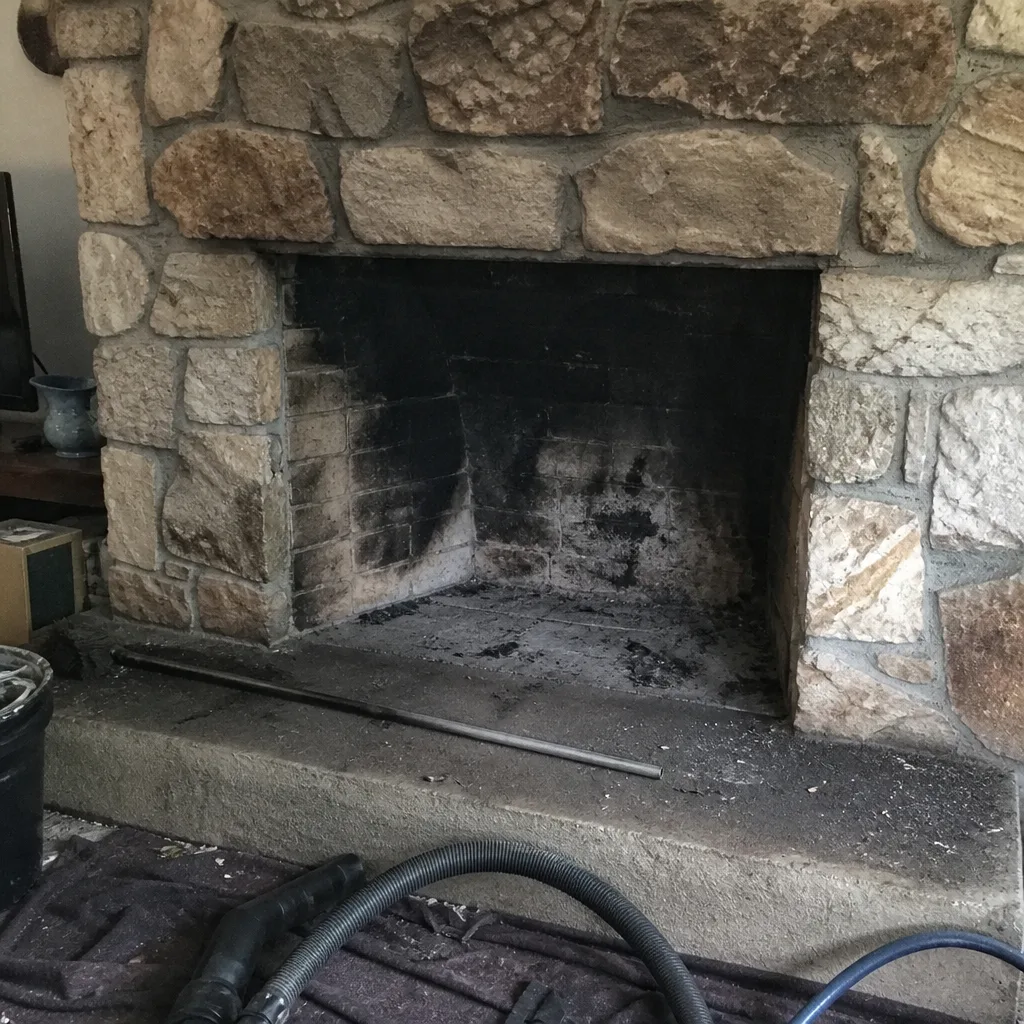 Before
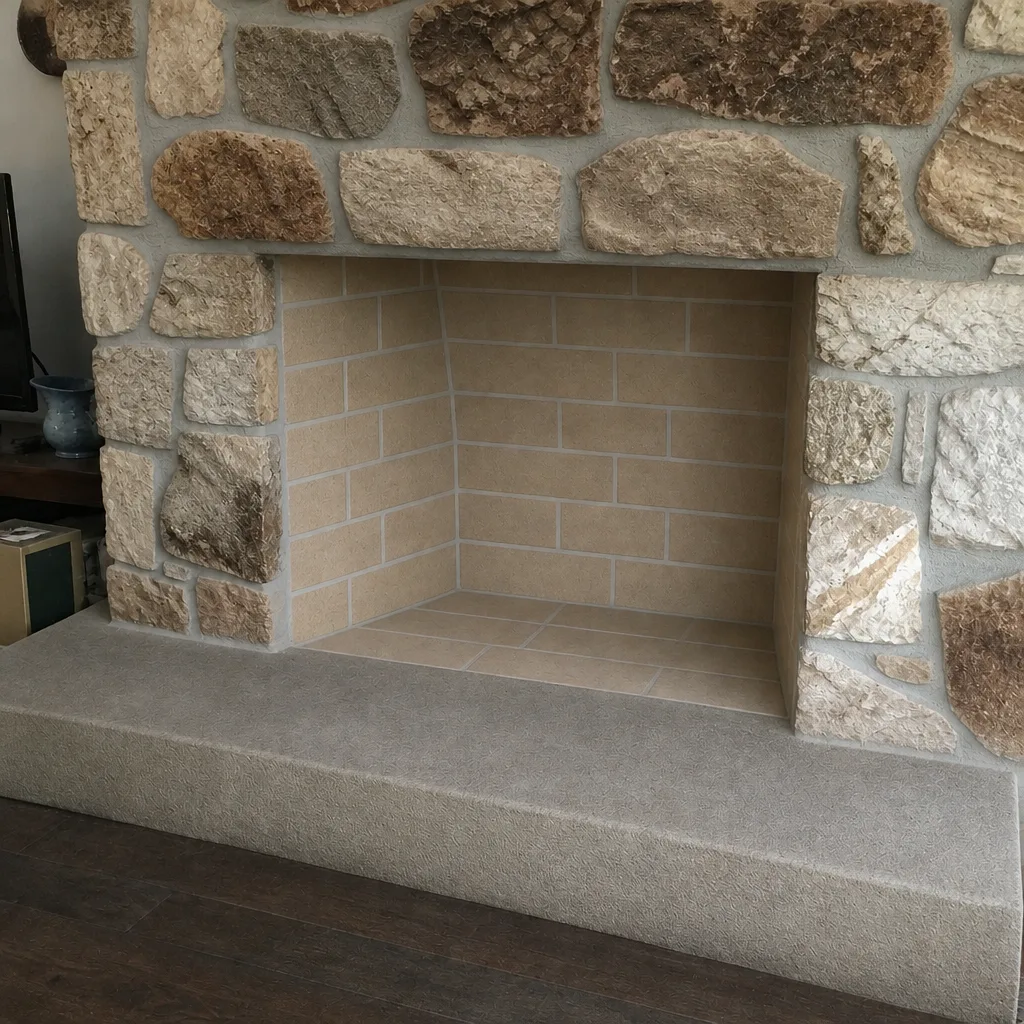 After
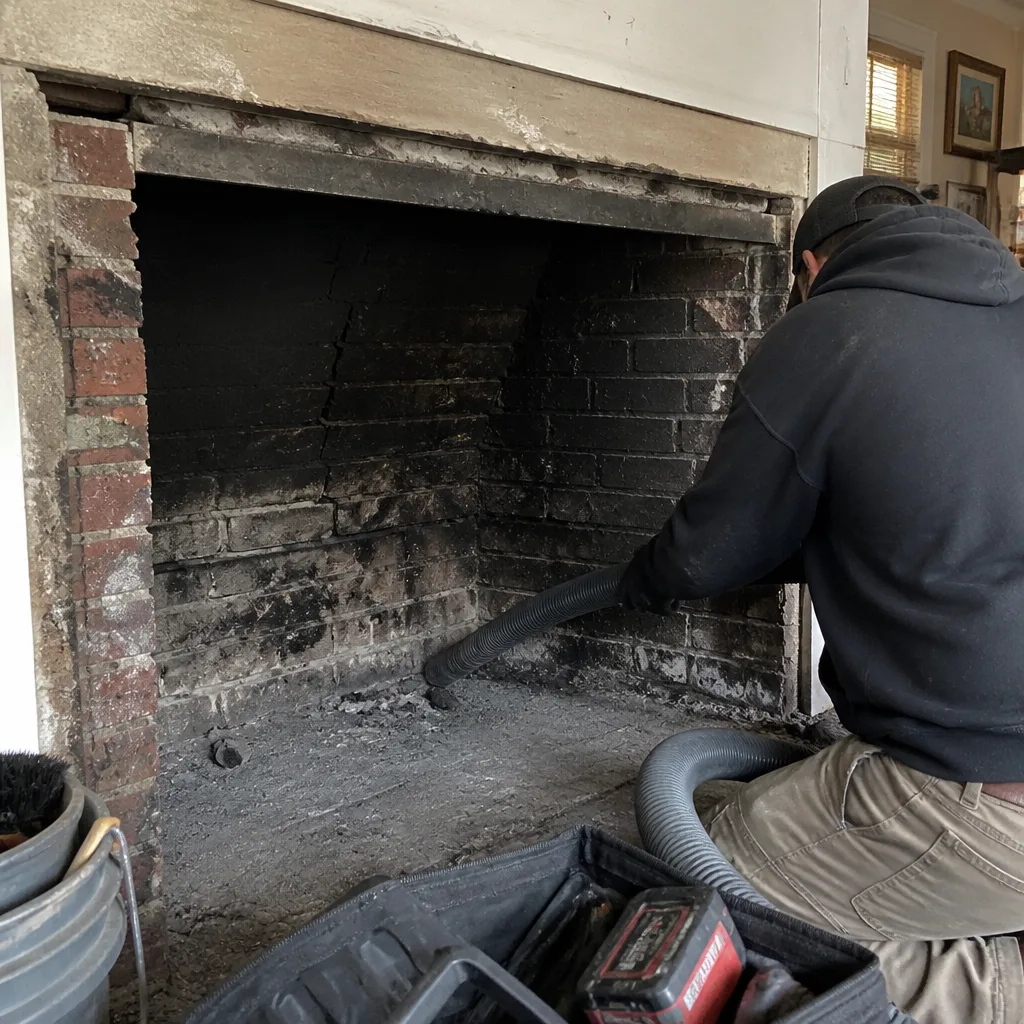 Before
 After
 Before
 After
Frequently Asked Questions
Yes, you can clean the accessible flue section yourself if you have the right brush, a shop vacuum with a fine filter, and know what the job involves. What you can’t do is evaluate the liner, smoke chamber, or draft performance without professional tools. The cleaning is doable; the diagnosis isn’t.
Once a year for a regularly used wood fireplace, and more often if you burn heavily through the heating season or notice creosote buildup. Gas inserts should be inspected annually as well, even if they don’t need sweeping. Lake City’s long, damp winters mean fireplaces run a lot of hours, and creosote builds faster than in milder climates.
You may clear the soot and still miss a cracked liner joint, an eroded smoke chamber, or a cap that’s letting water past the crown. Those problems don’t announce themselves. The fire risk and the carbon monoxide risk both live in the parts you can’t see, not the parts you can brush. Call (833) 703-5416 for an inspection and an exact quote – estimates are free.
You need a professional inspection. Gas inserts vent through the chimney and need the venting verified for carbon monoxide safety and to keep the manufacturer’s warranty valid. A DIY cleaning doesn’t check the venting and doesn’t produce documentation the warranty may require. Call (833) 703-5416 to schedule an inspection – estimates are free.
DIY brushing handles stage 1 creosote – the flaky, powdery deposit that comes off easily. Stage 2 is tar-like and requires chemical treatment before brushing; stage 3 is glazed and needs professional attention. You can’t tell which stage you’re facing without looking at the flue with a trained eye or a camera. Call (833) 703-5416 if you’re unsure – estimates are free.
A chimney sweep is priced per job based on what the inspection finds. The written estimate sets the final price, and there’s no charge for the estimate itself. If you want to know what your specific chimney needs, call (833) 703-5416 for a free estimate.
The Bottom Line
DIY chimney cleaning is real cleaning – it removes the soot and stage 1 creosote a basic sweep removes, and it’s a reasonable annual habit for a low-use fireplace that’s been recently inspected. But it can’t tell you whether the liner is sound, the smoke chamber is intact, or the cap is failing. That’s where the professional sweep earns its place in Lake City. The cleaning is the visible job; the diagnosis is the one that protects your home. If you don’t know the condition of your chimney, let an inspection answer the question before you decide to pick up a brush.
Chimney Sweep Lake City works on the whole system – sweeping, inspection, cap and crown, chimney repair, and fireplace repair – so one visit tells you what you need and one contractor handles it. From cap to firebox, everything under one contractor. Call (833) 703-5416 for a free estimate. We answer 24/7. Fast dispatch from 7am to 7pm, Sunday through Friday.
Written by the team at Chimney Sweep Lake City.