
Last updated November 25, 2026
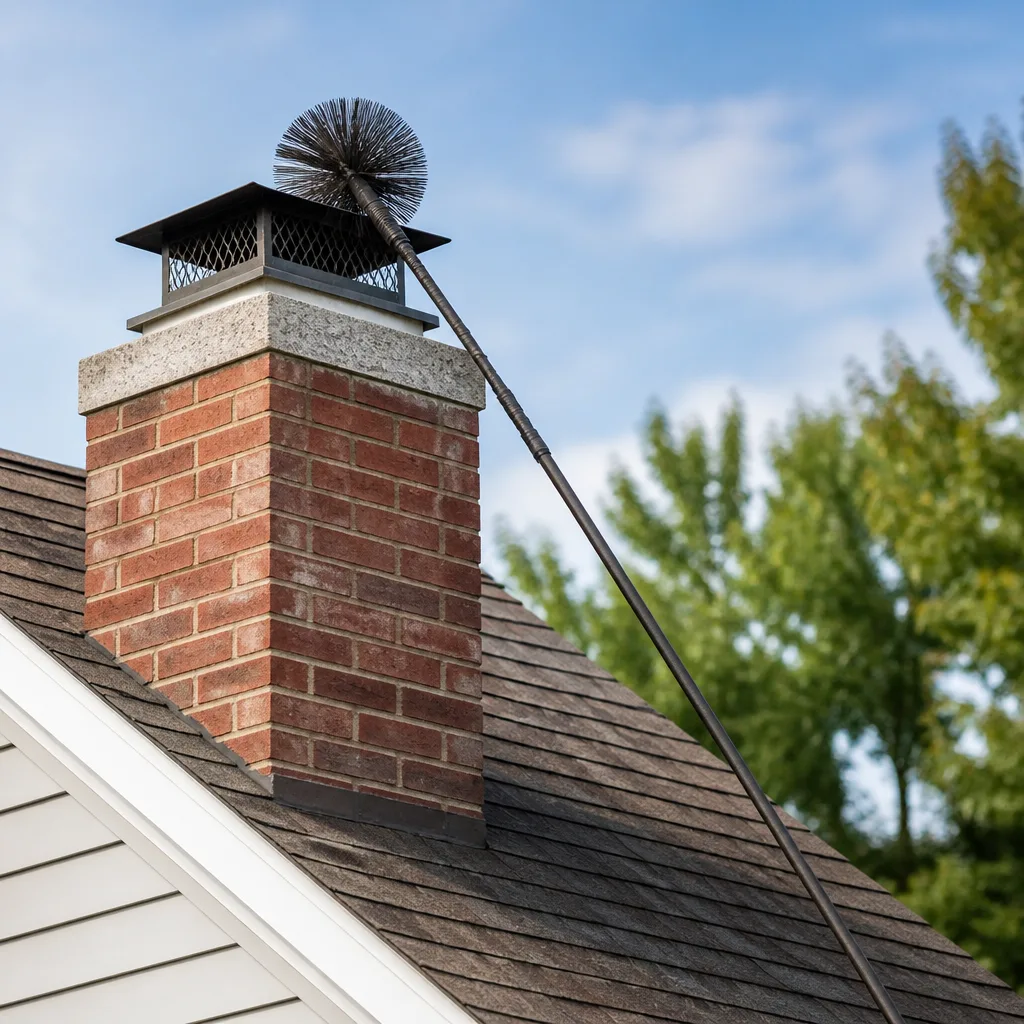 Sweep & inspection
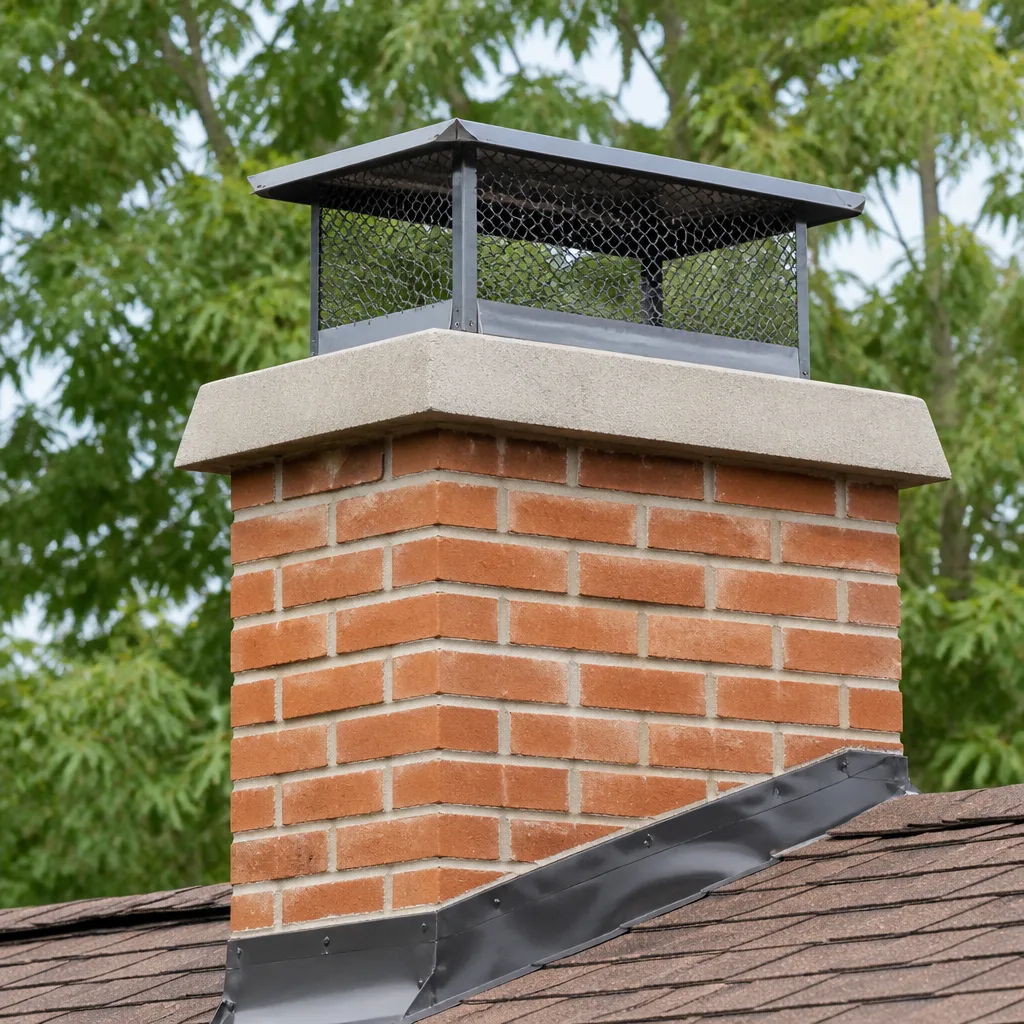 Caps & crowns
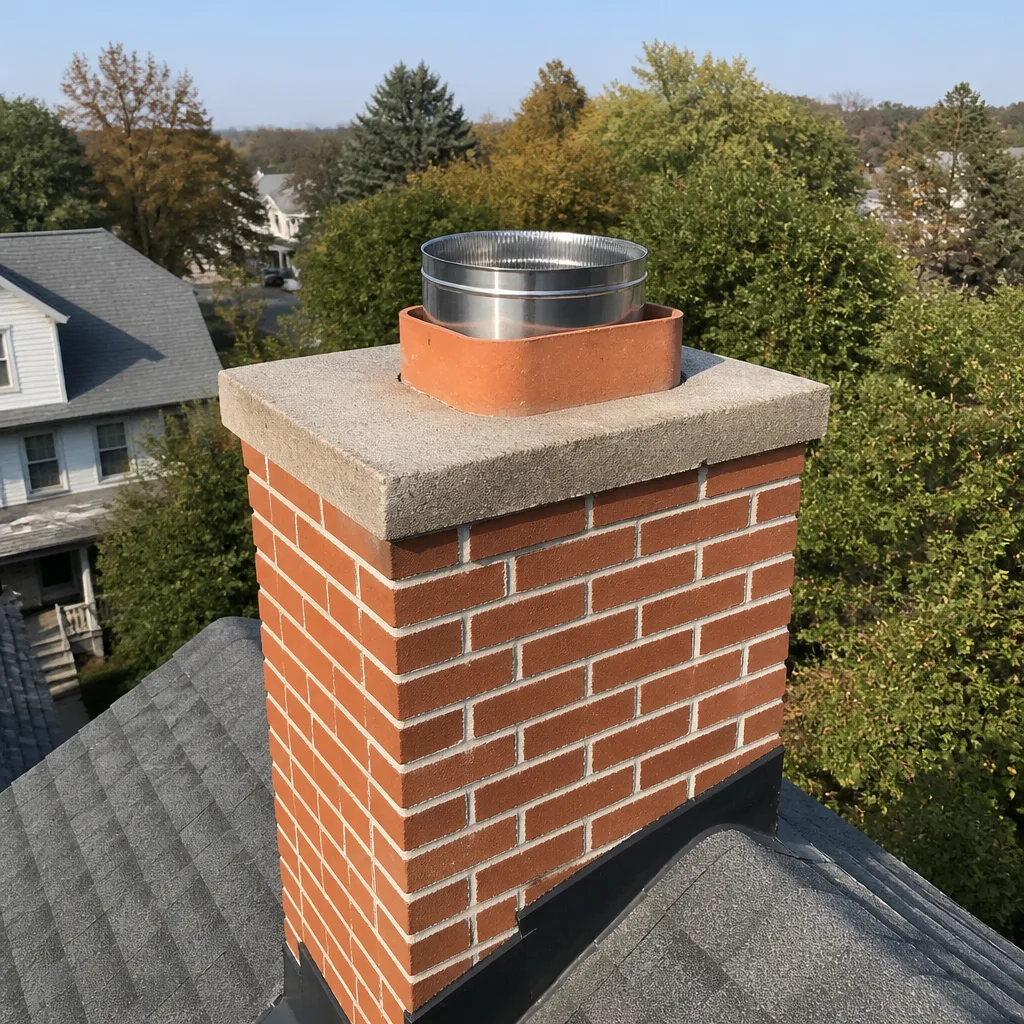 Flue relining
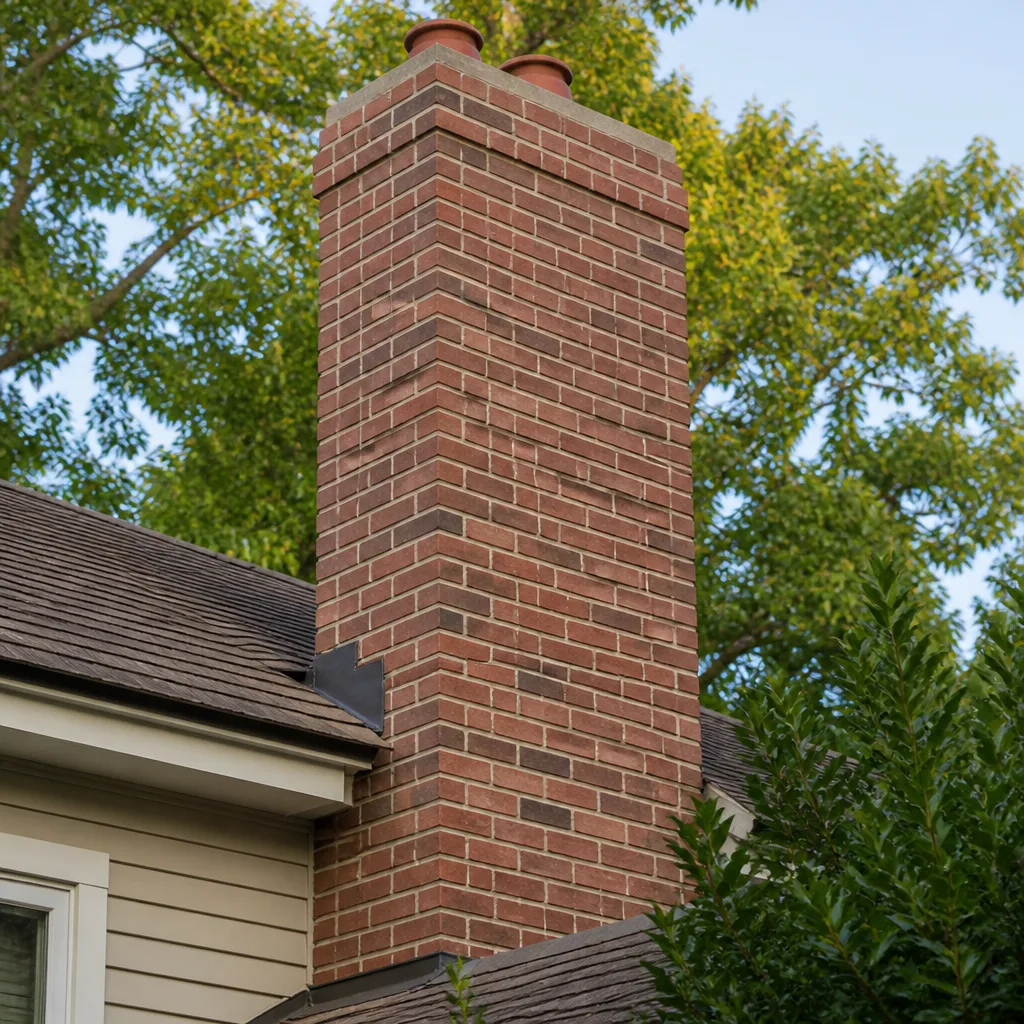 Masonry repair
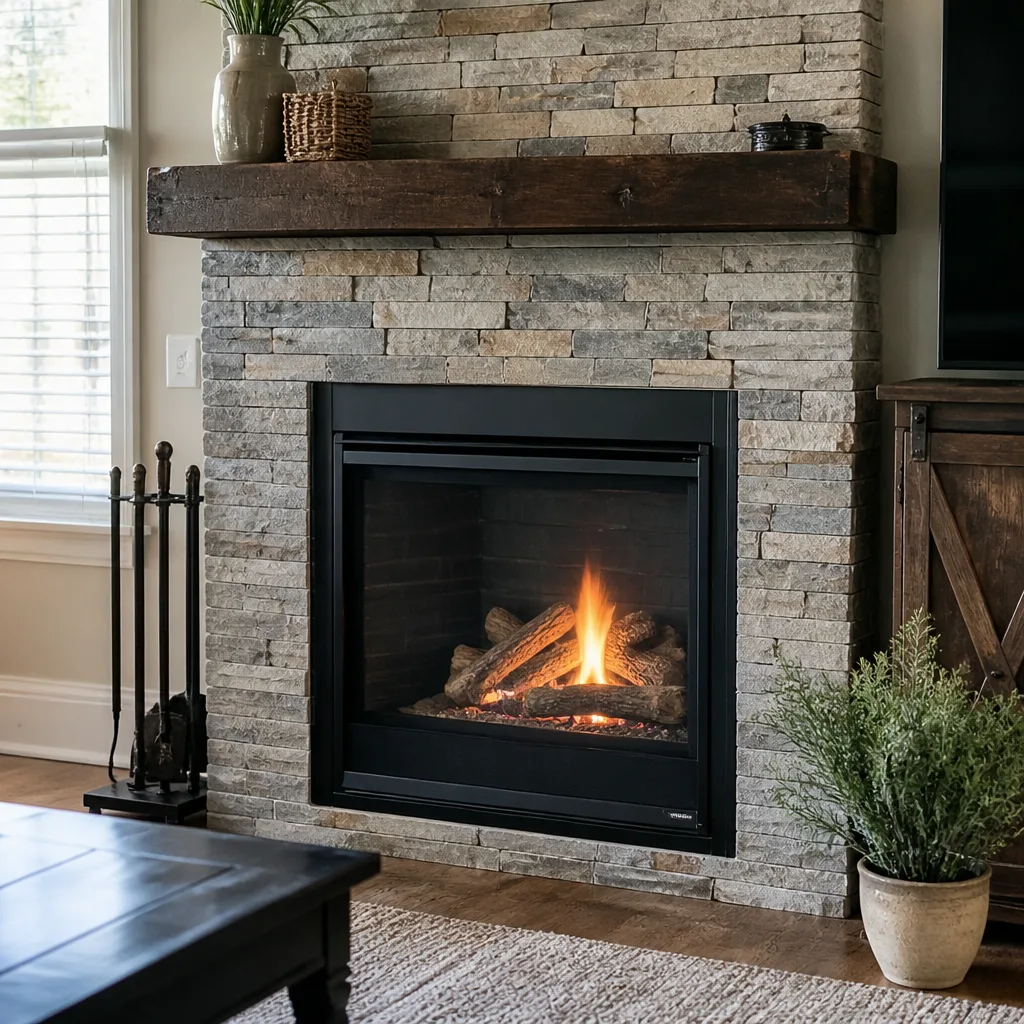 Gas fireplace service
Level 1 sweep and inspection to the NFPA 211 annual standard - flue, crown, cap, and flashing checked and photographed
Chimney sweep logs do not sweep chimneys. They loosen some creosote - which then falls where a brush and vacuum still have to collect it.
Chimney Cleaning Cost Breakdown: The Lake City Homeowner’s Reference for 2026
Most homeowners assume the cheap chimney cleaning quote and the expensive one are the same job at different markups. They usually aren’t. In Lake City, a basic sweep and a full-system visit can differ by hundreds of dollars, and the gap is scope, not salesmanship. The trap works like this: you book the low-bid sweep, the technician brushes the flue, glances at the firebox, and hands you a repair estimate you have no way to verify. This guide breaks down what each price tier actually buys, so you can compare quotes line by line and spot the ones designed to upsell you. We cover standard sweep costs, liner and repair pricing, what legitimately raises a bill in Lake City homes, and the five items every honest estimate should include.
Quick Answer
A standard chimney sweep in Lake City typically runs $150 to $300, and a full-system visit that includes video inspection and crown assessment lands closer to $250 to $450. Liner work is separate: HeatShield resurfacing generally falls in the $1,200 to $2,500 range, while a full stainless liner replacement typically runs $2,500 to $6,000 depending on flue length and access. The written estimate sets the final price, and the estimate itself should be free.
Styles & brands we work with
- Sweep & inspection
- Caps & crowns
- Flue relining
- Masonry repair
- Gas fireplace service
Table of Contents
- What a Standard Sweep Includes and What Gets Priced Separately
- How Much Does a Chimney Sweep Cost in Lake City?
- Liner and Repair Costs: HeatShield, Stainless Liners, and Cast-in-Place
- Why Low-Bid Sweeps Make Their Money on the Upsell
- What Legitimately Raises Cleaning Cost in Lake City Homes
- The Five Line Items Every Complete Chimney Estimate Should Have
- How Often Should a Chimney Be Swept?
- Why a Full-System Visit Costs More and Catches More
What a Standard Sweep Includes and What Gets Priced Separately
A standard sweep is a flue cleaning and a visual check, nothing more. On a typical Lake City masonry chimney, that means brushing the flue from the roof or through the firebox, removing soot and creosote, and a flashlight look up the flue and into the smoke chamber. It’s real work and it matters. What it doesn’t include is the diagnostic layer that catches most problems before they become expensive.
Here’s how the line items usually separate:
- Standard flue sweep: brush pass, soot removal, basic visual check. Bundled into most base prices.
- Smoke chamber scraping: often priced separately. The smoke chamber is the angled transition above the damper, and creosote collects there in ridges. Many low-bid visits skip it entirely.
- Video scan: a camera inspection of the liner interior. Frequently an add-on, sometimes bundled into a mid-tier price.
- Cap and crown inspection: checking the concrete crown for cracks and the cap for rust or damage. Often wave-through or skipped unless you ask.
- Dryer vent cleaning: a separate service, priced on its own. Useful to bundle if your dryer vent runs through or near the chimney chase.
The reason this separation matters is that the smoke chamber and the crown are where problems hide. A brush pass through the flue feels thorough because the technician spent real time on the roof. But if the smoke chamber was never scraped and the crown was never inspected, you paid for cleaning and skipped diagnosis. When we look at a chimney, we want to know what’s inside it and what’s happening at the top of it, because those are the two places ahead of the firebox that fail first. A Chimney Sweep Lake City visit is built around the whole system, not just the flue you can see.
How Much Does a Chimney Sweep Cost in Lake City?
Chimney sweeping in Lake City generally costs $150 to $300 for a standard sweep, and $250 to $450 for a full-system visit with video inspection. The $89 or $99 coupon circulating around North Seattle sits below both of those, and there’s a reason: it buys a smaller scope. Understanding the tiers is the fastest way to compare quotes honestly.
| Service Tier | Typical 2026 Range | What It Covers |
|---|---|---|
| Coupon/basic brush pass | $89 to $150 | Flue brush-out, visual glance from firebox |
| Standard sweep | $150 to $300 | Flue cleaning, soot removal, basic visual check, light smoke chamber attention |
| Full-system visit | $250 to $450 | Sweep plus smoke chamber scraping, video scan, cap and crown inspection |
| Two-flue or oversized system | $350 to $600 | Multiple flues or unusually large masonry footprint |
| Gas insert removal for access | Add $50 to $150 | Removing and reinstalling a gas insert to reach the flue |
Notice where the money actually is. A $99 coupon and a $350 full-system visit aren’t competitors at the same game; they’re different products. The coupon saves you $50 today and hands you an incomplete picture. If the smoke chamber was packed with glazed creosote or the crown had a hairline crack letting water into the masonry, you won’t hear about it, and eighteen months later you’re paying for a repair that a proper scan would have flagged.
Lake City’s housing stock shapes these numbers. The neighborhood has a lot of mid-century masonry chimneys, many with original flue tiles and crowns that have been through decades of wet winters. Those chimneys tend to need real inspection rather than a fast brush pass, which is why the mid-tier visit is usually the right spend here. If you’re not sure which tier fits, ask for a free estimate and get the range in writing first. Prices are estimates, and the written quote is what sets the final number.
Liner and Repair Costs: HeatShield, Stainless Liners, and Cast-in-Place
Liner work is where the biggest cost decisions live, and where homeowners have the least ability to verify what they’re being told. The honest version: not every deteriorated liner needs full replacement. There are three repair paths, and they solve different problems.
HeatShield resurfacing typically runs $1,200 to $2,500. It’s a specialist ceramic-based resurfacing system applied to the inside of a deteriorated but structurally intact flue. It restores the liner’s smooth surface and closes gaps and cracks without a full reline. It’s not right for every chimney, and a good contractor will tell you plainly when your flue doesn’t qualify. But when it does, it can save you thousands over replacement. This is a repair option many generalist handymen can’t offer at all, and knowing it exists changes what you should accept in a quote.
Full stainless liner replacement uses a flexible stainless system and typically runs $2,500 to $6,000. It’s the right answer when the original flue tiles are displaced, cracked through, or missing. Flexible systems are standard for older or offset flues where a rigid liner won’t make the bends. A professional-grade flexible liner specified for your appliance and flue is the correct standard here, not a generic substitute.
Cast-in-place systems generally fall in the $4,000 to $8,000 range. They’re poured around an inflatable form to create a new, seamless flue. They’re appropriate for heavily damaged masonry where other options won’t hold, but they’re also the most expensive path, and a cast-in-place recommendation should always come with camera evidence you can see for yourself.
Here’s the part to hold onto: nothing should be recommended without video proof. When we quote a liner repair, you see the footage. If the chimney can safely wait another season, we say so. When you’re ready to talk through options, our chimney sweep and inspection service is where that conversation starts, because the diagnosis comes before the repair.
Why Low-Bid Sweeps Make Their Money on the Upsell
The $99 sweeps aren’t losing money. They’re running a customer-acquisition model where the sweep is the loss leader and the repair is the margin. That doesn’t make every low-bid company dishonest, but it does mean you should understand the incentive before you invite one into your home.
The model works like this:
- The sweep is priced below cost to get a technician into the house.
- The technician finds something that sounds urgent, often something you can’t see.
- The repair is quoted on the spot, sometimes the same day, before you have any way to verify it.
- You’re pressured with the fire-risk framing, which is emotionally difficult to ignore and hard to argue with.
An honest repair recommendation looks different. It’s backed by camera footage, not a flashlight and a worried expression. It separates what needs fixing now from what can wait. It gives you the written scope in enough detail that a second contractor could price the same job from it. And it doesn’t collapse into a hard sell the moment you hesitate.
When we’re in a Lake City home and the answer is “you need a sweep, and that’s it for this year,” that’s what you hear. One inspection can tell you whether you need a sweep, a repair, or nothing at all. The upsell model can’t survive a contractor who’s willing to say “nothing.” That’s the difference to look for, and it matters more than the coupon code.
None of this is a reason to skip the sweep. It’s a reason to buy a complete one from a company whose margin doesn’t depend on finding something wrong.
What Legitimately Raises Cleaning Cost in Lake City Homes
Some bumps in price are real work, not padding. Knowing which ones are legitimate helps you read a quote accurately and ask the right questions.
Heavy creosote buildup is the big one. A chimney that hasn’t been swept in several seasons, or one that’s burned a lot of unseasoned wood, can carry glazed creosote that’s harder to remove than soot and takes real labor. Glazed creosote is also the dangerous kind, so this is one upsell you should take seriously if the camera shows it.
Oversized masonry systems cost more because there’s more to clean. A large flue footprint or multiple flues means more time on the roof and more brush work. There’s no way around the labor.
Gas insert removal for access adds $50 to $150 when the flue can only be reached by pulling the insert and replacing it afterward. It’s legitimate, it’s common in Lake City homes where a gas appliance was retrofitted into an original masonry fireplace, and it should always be itemized rather than buried.
Two-story exterior brick and ladder staging adds cost because safe access takes setup. A tall exterior masonry stack that requires staging isn’t a quick climb, and you want a contractor who prices the setup honestly rather than rushing it. Height is a genuine safety factor, and a company that charges properly for access is usually the one that takes it seriously.
Crown and cap work is priced separately from cleaning, and it’s often where moisture protection gets handled. In Lake City’s wet winters, a cracked crown is a slow leak into the masonry, and a proper cap keeps rain and animals out. Caps sourced from dedicated chimney manufacturers hold up far better than generic big-box hardware, and that difference shows up over time.
If a quote includes charges for any of these, ask what triggered them. If the technician’s answer is specific and tied to what they found, it’s legitimate. If it’s vague, push back. A free estimate should always be able to explain its own line items.
The Five Line Items Every Complete Chimney Estimate Should Have
A complete chimney estimate is a written scope, not a number on a napkin. Five items should appear on any professional quote before you approve work. Use this as a checklist when you’re comparing them.
- Scope of work, itemized: exactly what’s included, separated into sweep, inspection, repair, and protection. “Chimney cleaning” as a single line item tells you nothing about whether the smoke chamber is included.
- Inspection findings and evidence: what was found, where, and how it was found. Video inspection should be available, with a photo report if anything is flagged for repair.
- Material specifications: the specific products to be used. For a stainless liner, the flexible system name. For resurfacing, the resurfacing system. For a cap, the manufacturer. Material brands in a quote tell you the contractor knows the products.
- What is explicitly excluded: the line items NOT covered, so there’s no surprise invoice after the work. “Crown repair not included” is just as important as the line that is.
- The flat-price total and the completion criteria: the final number, agreed before booking, and a description of what the finished job looks like. Our technicians sweep to a flat price agreed before we book, so there’s no drift once the ladder is up.
Any quote missing two or three of these items is a quote you can’t compare to another one. That’s the whole problem with the $99 coupon: it prices a job by a single number and leaves you unable to see the gaps. When you get quotes, hold them up against this list. The ones that pass are the ones worth considering.
For work at the top of the system, our chimney cap & crown service follows the same principle, with materials specified and the scope written out. Nothing is recommended without camera evidence you can see for yourself.
How Often Should a Chimney Be Swept?
Chimneys should be swept at least once a year when they’re used regularly, and more often if you burn heavily or burn green wood. The annual visit is the minimum because it catches problems early, before they turn into liner or masonry repairs. It’s not a rule invented to sell sweeps; it’s the interval that keeps a wood-burning chimney from accumulating enough creosote to matter.
In Lake City, the annual rhythm is tied to the burning season. Late summer and early fall are the natural window, because you’re cleaning up after last winter and getting ahead of the next one. A sweep before the first cold snap means the chimney is clean when you need it. If you’ve never had one done and don’t know the last time it was cleaned, that’s the strongest reason of all to book a full-system visit.
Some conditions call for a sweep more often than once a year:
- Heavy firewood use through the season
- Burning unseasoned wood, which produces more creosote
- Any previous finding of glazed creosote
- A change in how the fireplace drafts, smells, or smokes
- After a storm that may have damaged the cap or crown
Gas appliances vented through a masonry chimney don’t produce creosote the same way, but the flue still needs inspection, and the cap and crown still need to be in good shape. Don’t skip the annual visit just because you’ve switched to gas.
Why a Full-System Visit Costs More and Catches More
A full-system visit costs more than a brush pass because it examines the whole chimney, not just the flue. The chimney is a system: firebox, damper, smoke chamber, flue, crown, and cap. A problem anywhere in that chain affects everything else, and a cheap sweep only touches one link.
What a full-system visit adds:
- Smoke chamber scraping, where creosote actually collects
- Video inspection of the liner, so you can see its condition rather than guess
- Crown inspection for cracks that let water into the masonry
- Cap inspection for rust, damage, or missing screens
- A photo report of anything flagged, so you have a record
In Lake City, that matters because the weather does real work on masonry chimneys. Wet winters get into cracked crowns and drive freeze-thaw damage through the stack. A brush pass never looks at the crown, so the leak it would have caught keeps running until the repair is a masonry job instead of a crown repair. We recommend fireplace repair work only after that full-system picture is on the table, because repairing the firebox while the crown leaks is a losing fight.
The extra $100 or so for the full visit doesn’t usually go to waste. It buys you a diagnosis. If the report comes back clean, you’ve paid for the certainty and the sweep. If it flags a repair, you’re seeing it before it becomes expensive. Either way, you have a documented record of what was found and when, which is worth having the next time a contractor tells you the liner needs replacing.
Common Mistakes to Avoid
- Chasing the lowest quote without reading its scope. A $99 sweep and a $350 full-system visit aren’t the same job. Compare the scope, not the headline price, and you’ll see the difference in one glance.
- Approving a repair you can’t verify. Any liner or masonry recommendation should come with camera footage and a written scope. If you can’t see the problem, don’t approve the fix yet. Ask for the evidence.
- Skipping the crown and cap check. Lake City’s wet winters get into cracked crowns, and a failed crown turns a small repair into a masonry job. Have both inspected every year, even if the flue is clean.
- Assuming gas means no inspection needed. A gas appliance vented through masonry still needs an annual check, and carbon monoxide risk doesn’t disappear with the wood.
- Burning unseasoned wood to save money. It produces more creosote, which costs more to clean and carries more fire risk. The savings on the wood get eaten by the cleaning bill.
- Skipping the sweep because you “only burn a little.” The chimney doesn’t care how often you burn; it only cares what’s accumulated. A once-a-year check is the minimum, not a recommendation for heavy burners only.
- Accepting a generic cap from a big-box store. Caps sourced from dedicated chimney manufacturers hold up better to weather and fit the flue properly. A loose generic cap can be worse than no cap at all.
See the difference
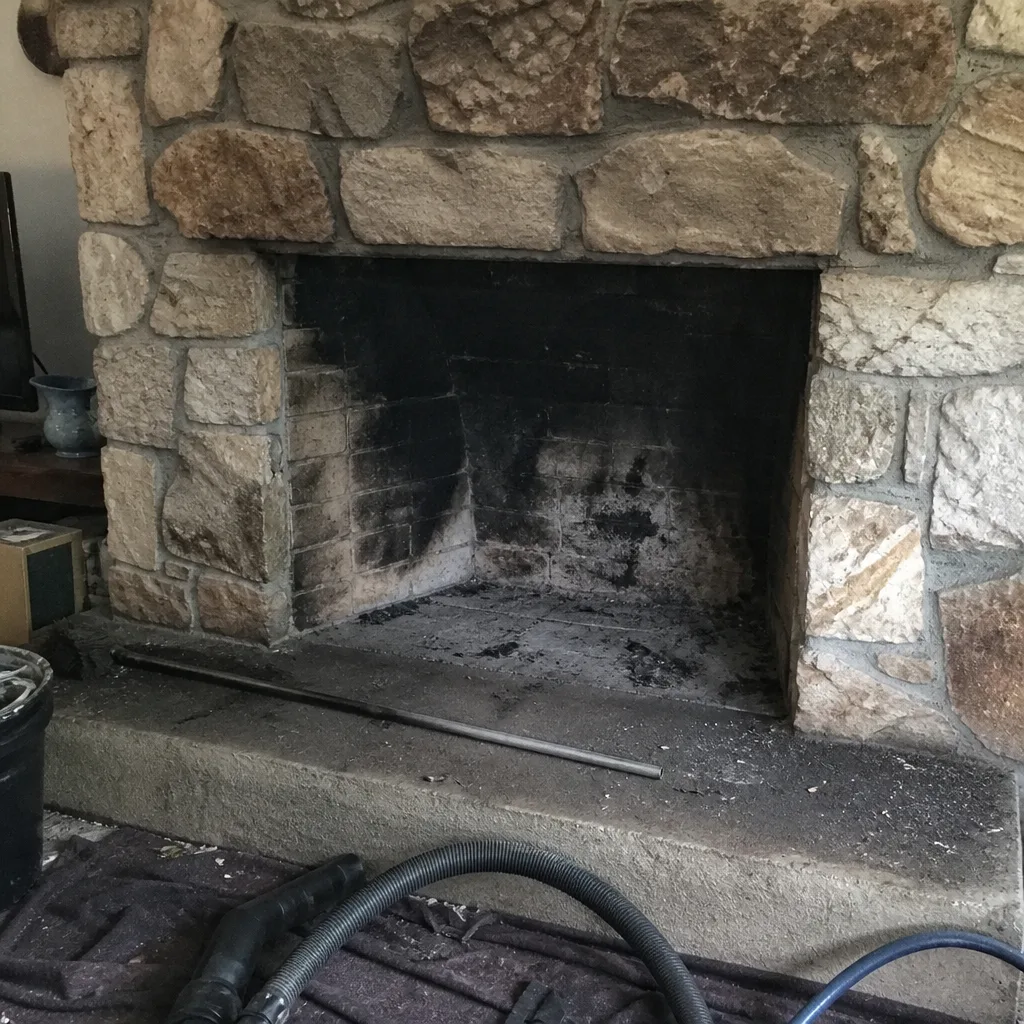 Before
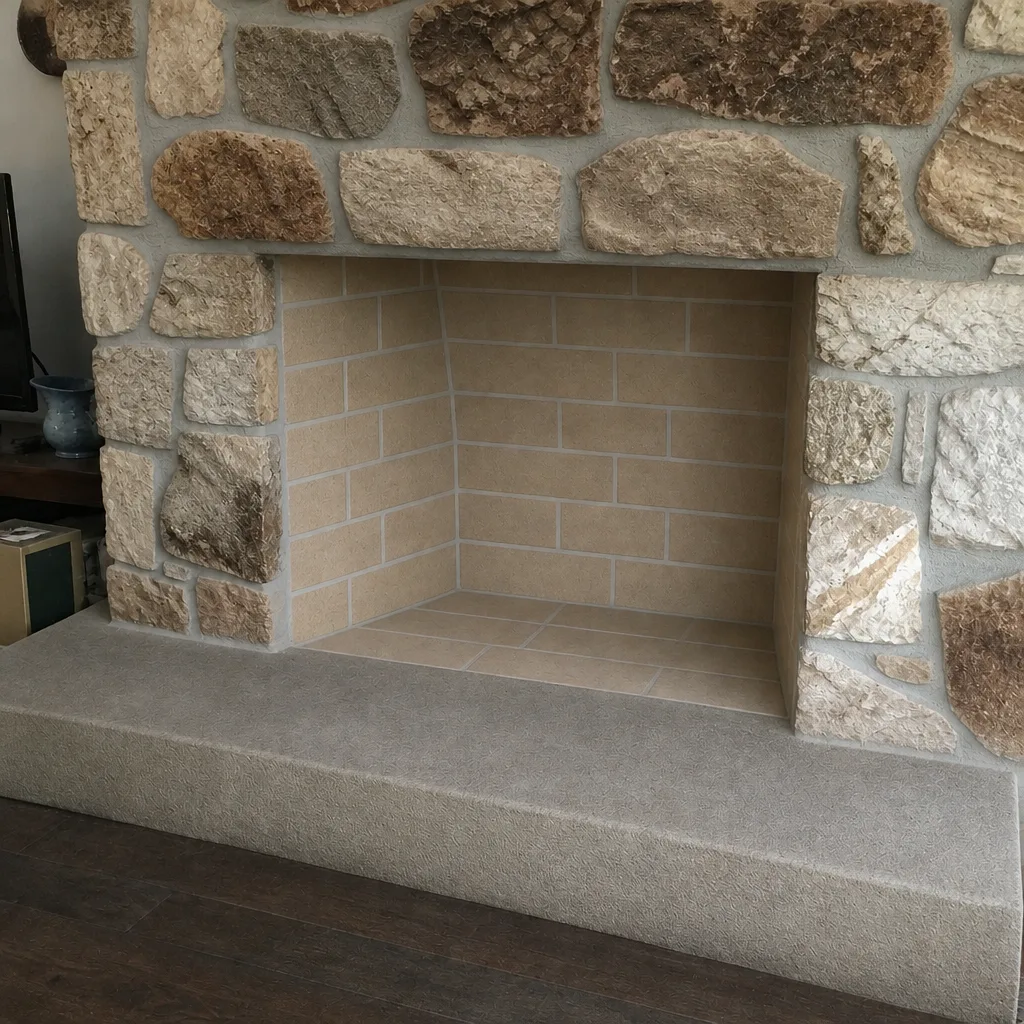 After
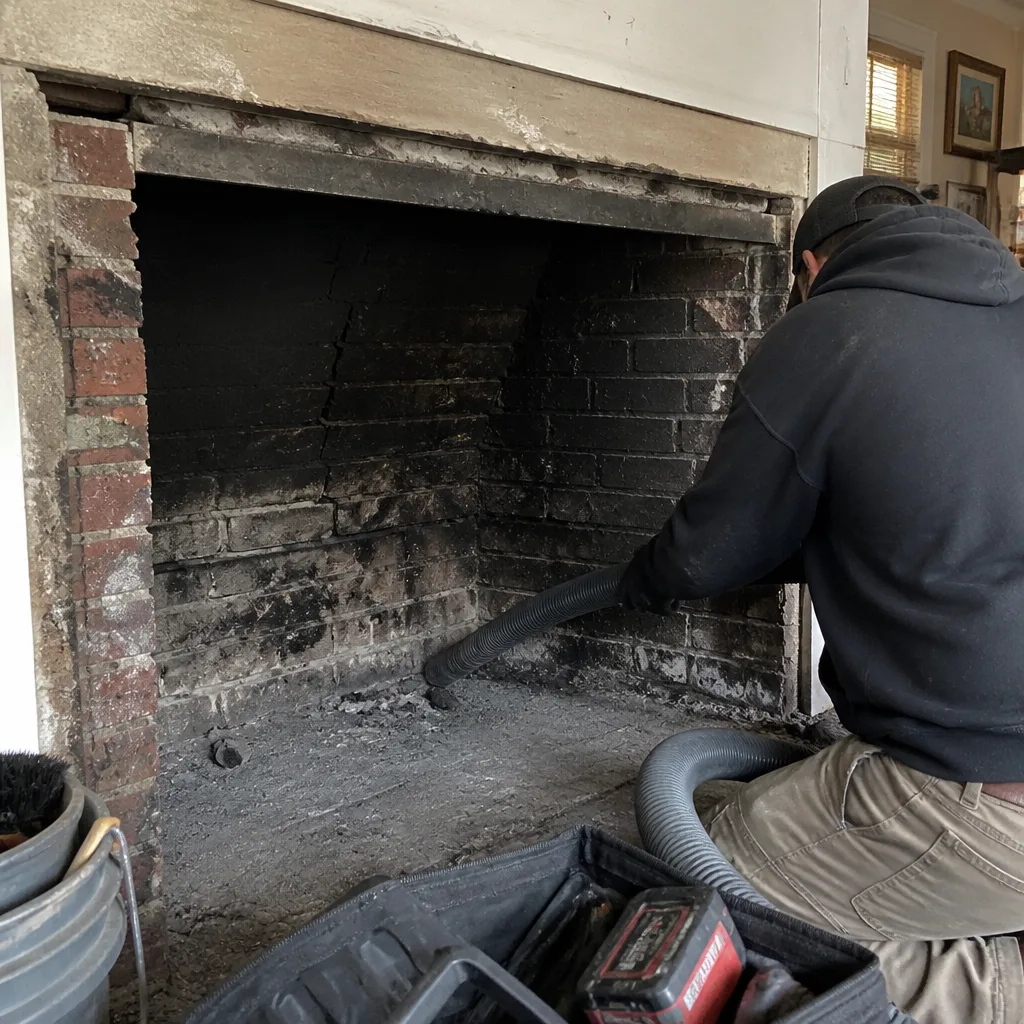 Before
 After
 Before
 After
When to Call a Professional
Call a professional when you haven’t had the chimney inspected in over a year, when smoke backs into the room, when you smell a strong creosote or burning odor outside the fire, or when you see cracked or crumbling masonry at the crown or cap. These are the signals that the chimney needs more than routine cleaning, and a full-system inspection will tell you which repair, if any, is needed. Don’t reach for the flue brush yourself: creosote removal, liner work, and height work on an exterior masonry stack all carry real injury and fire risk, and they need a trained professional on the ladder and in the flue.
Chimney Sweep Lake City offers free estimates in Lake City – call (833) 703-5416. We answer 24/7. Fast dispatch from 7am to 7pm, Sunday through Friday. Our technicians have up to 12 years of experience, and they’ll tell you plainly when a sweep is all you need and when a repair can safely wait.
Frequently Asked Questions
A standard chimney sweep in Lake City typically costs $150 to $300, and a full-system visit with video inspection and crown assessment usually falls between $250 and $450. The written estimate sets the final price, and the estimate is free. Call (833) 703-5416 for an exact quote.
Not always, and that’s the point. A deteriorated but structurally intact flue may qualify for HeatShield resurfacing at a fraction of the cost of a full stainless liner replacement. Only a video inspection can tell you which repair is right, and you should see the footage before you decide. Call (833) 703-5416 to book a full-system inspection.
At least once a year if you burn wood regularly, and more often if you burn heavily or burn unseasoned wood. In Lake City, late summer and early fall are the natural window before the burning season picks up. Call (833) 703-5416 to get on the schedule before the cold starts.
Creosote builds up in the flue and smoke chamber, and the longer it sits, the more fire risk it carries and the more it costs to remove. Cracks in the crown and liner also go unnoticed, so a small repair turns into a larger one. The annual visit is what keeps both from becoming expensive. Call (833) 703-5416 for a free estimate.
The coupon buys a brush pass through the flue and a visual glance from the firebox. It doesn’t include smoke chamber scraping, a video scan, or a crown inspection. The lower price reflects a smaller scope, not a better deal on the same job. Call (833) 703-5416 to compare what a full-system visit actually covers.
If the chimney was cleaned recently and the cap and crown are sound, it can often wait. If it hasn’t been inspected in over a year, or if the draft has changed, don’t wait: an inspection is cheap next to a repair. Call (833) 703-5416 and we’ll tell you plainly whether it can wait.
The Bottom Line
Chimney cleaning in Lake City costs what it costs because of scope, not markup. A standard sweep runs $150 to $300; a full-system visit with video inspection is $250 to $450; liner work starts around $1,200 for HeatShield resurfacing and climbs to $6,000 or more for a full stainless reline. The $99 coupon isn’t a scam, but it isn’t a diagnosis either, and the difference between the two is where homeowners lose money within two years. Compare quotes on the five line items, ask to see the camera footage, and keep the cap and crown in the annual check. If a repair can wait, you should hear that. If you can’t tell whether a quote is complete, that’s the sign to get a second one.
Call (833) 703-5416 for a free estimate. We answer 24/7. Fast dispatch from 7am to 7pm, Sunday through Friday. Your chimney is a system, and we work on the whole of it, from sweeping and inspection through repair, cap, and crown.
Written by the team at Chimney Sweep Lake City.