
Last updated November 25, 2026
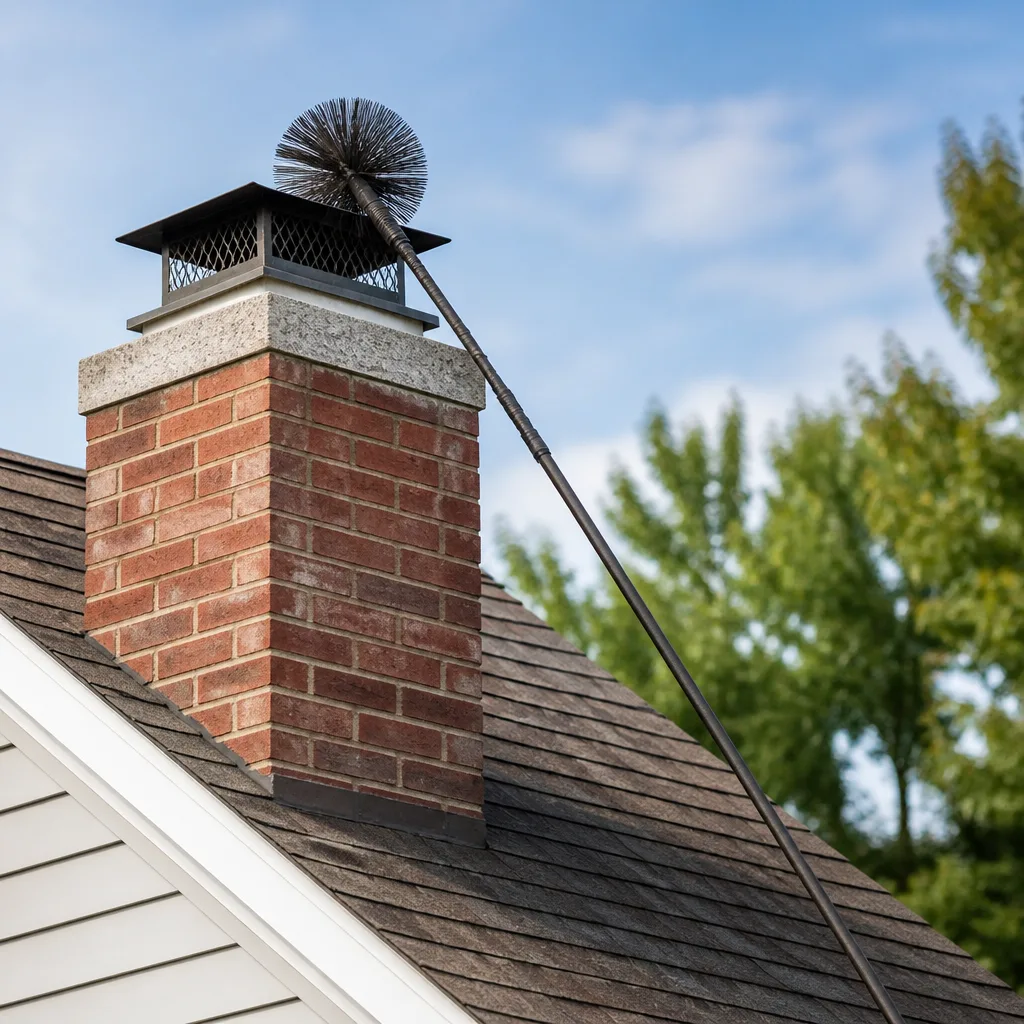 Sweep & inspection
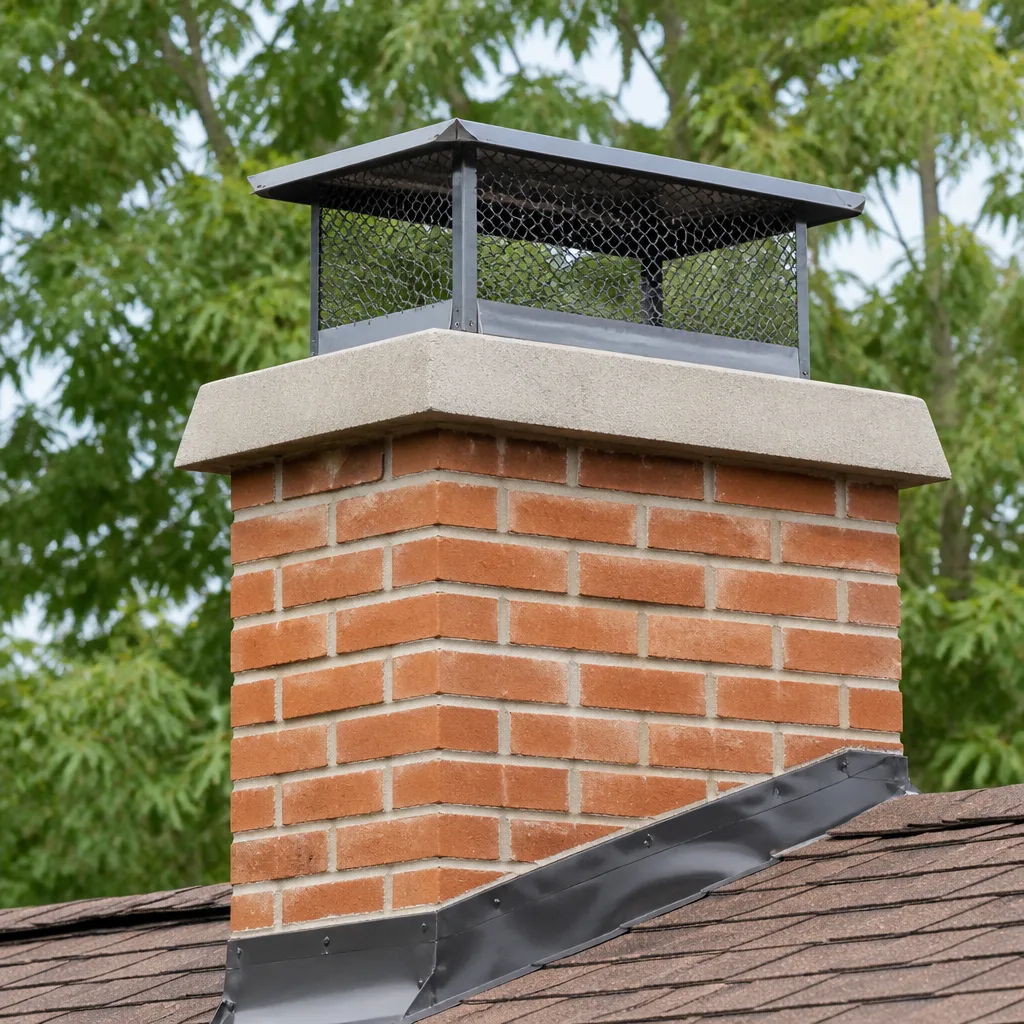 Caps & crowns
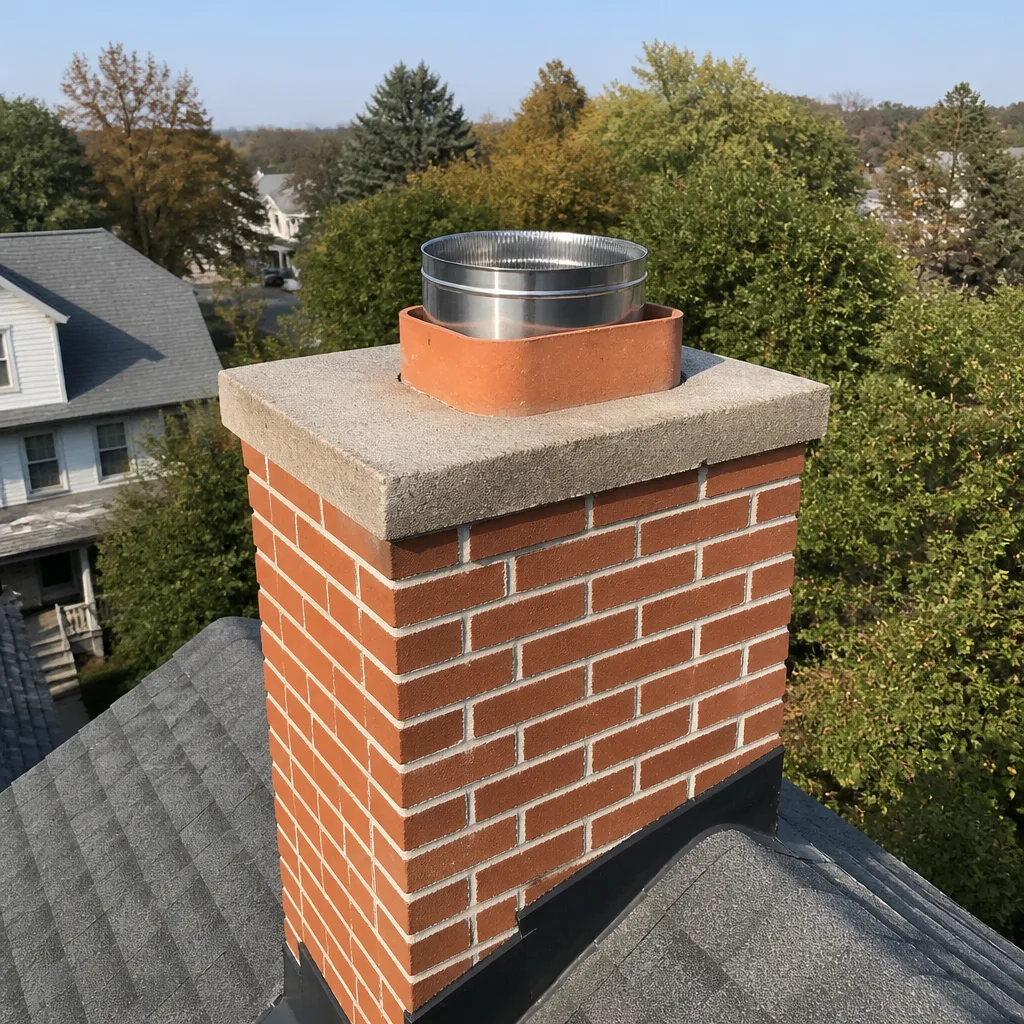 Flue relining
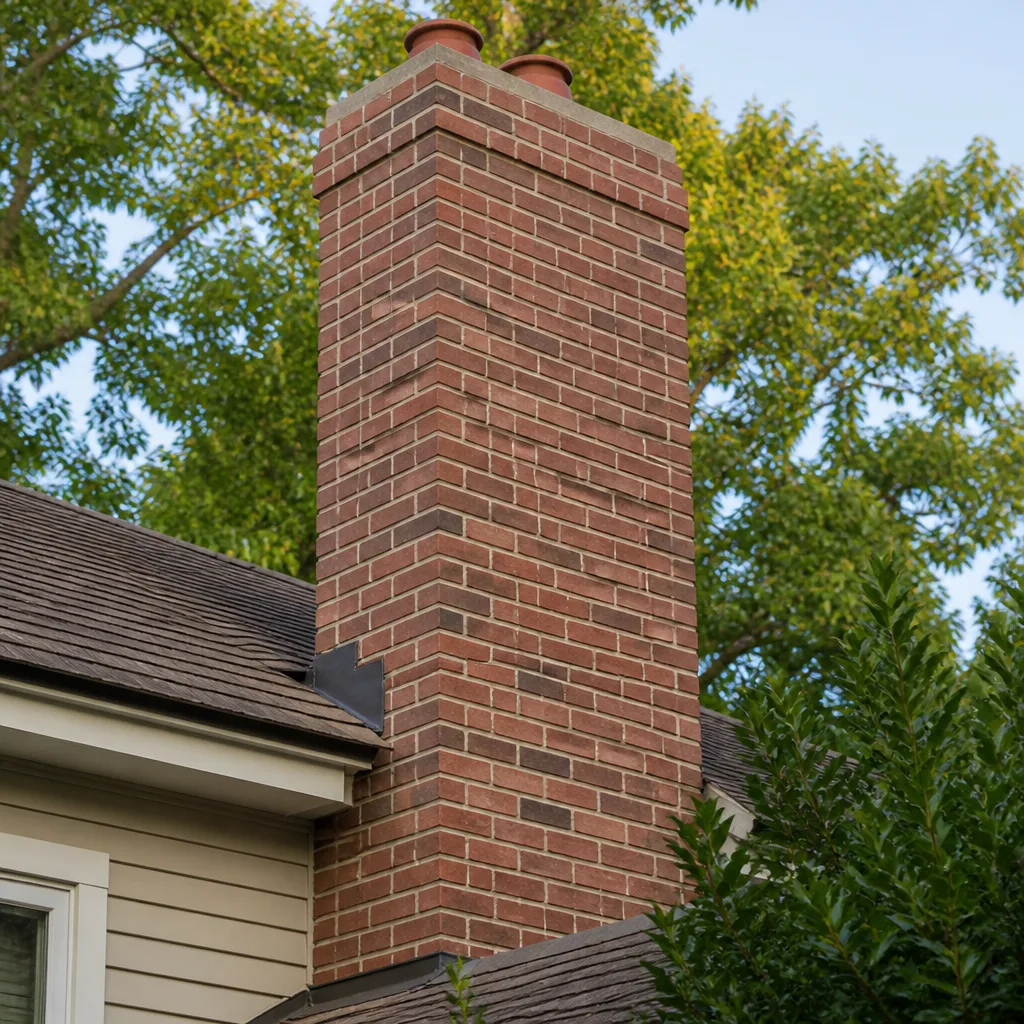 Masonry repair
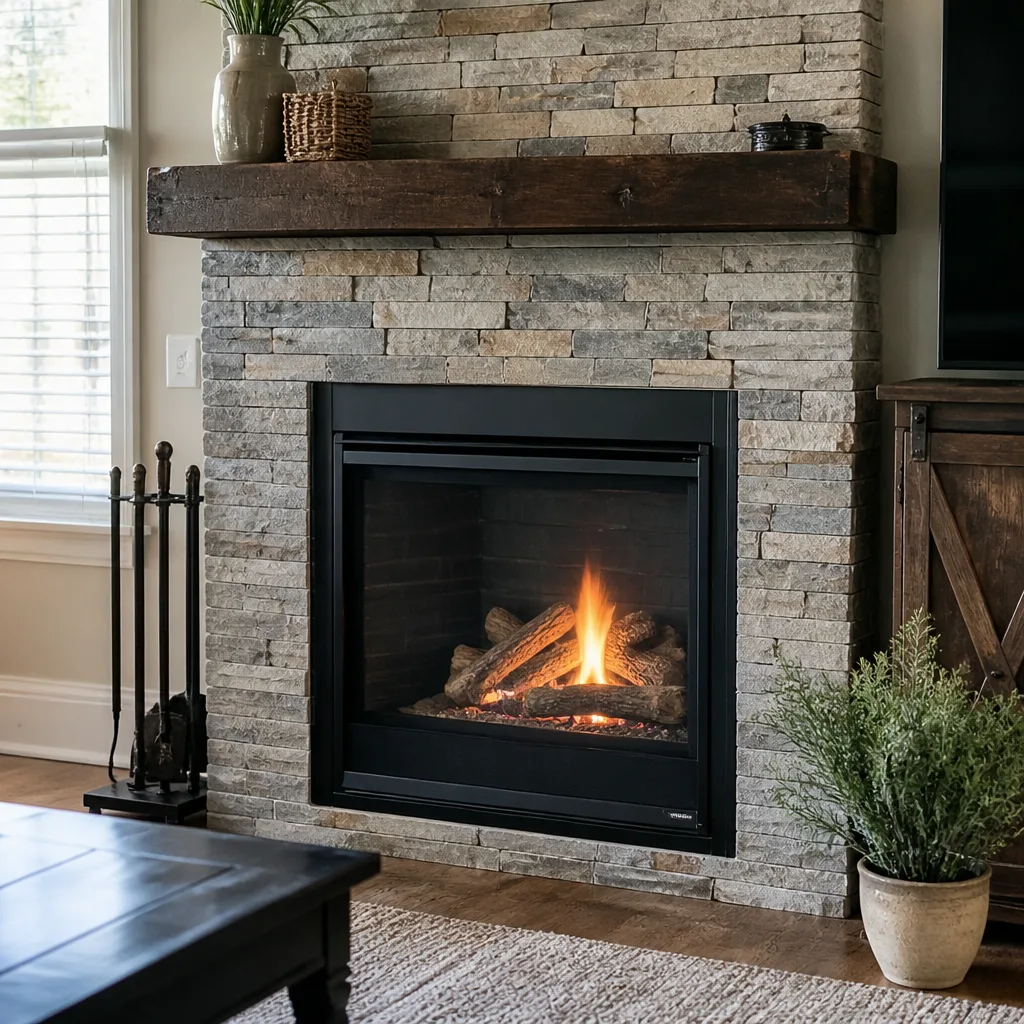 Gas fireplace service
Level 1 sweep and inspection to the NFPA 211 annual standard - flue, crown, cap, and flashing checked and photographed
Chimney sweep logs do not sweep chimneys. They loosen some creosote - which then falls where a brush and vacuum still have to collect it.
Seasonal Chimney Cleaning Care for Lake City: Year-Round Homeowner’s Guide
Most homeowners think about their chimney twice: once when they light the first fire in fall, and once when something smells wrong. That’s backward. By the time the first cold snap arrives in Lake City, a flue has spent eight or nine months collecting creosote, dust, leaves, and whatever else found its way past a tired cap. The cleaning that should have happened in September becomes a problem discovered in December, usually the same week you actually need the fireplace. This guide maps chimney care to each season here, from spring inspections after a wet winter through summer scheduling and the fall prep sequence that matters before first fire. You’ll learn what to check, when to book, and what can safely wait.
Quick Answer
Chimney care in Lake City is a year-round job, not a fall errand. Schedule a sweep and inspection in late summer or early fall, check for water damage and spalling brick each spring, and use the dry summer months for any liner or masonry work so materials cure properly. Clean when there’s a quarter inch or more of creosote buildup, and stop using the fireplace if you notice smoke backing into the room, a strong odor, or visible deterioration.
Styles & brands we work with
- Sweep & inspection
- Caps & crowns
- Flue relining
- Masonry repair
- Gas fireplace service
Table of Contents
- Why seasonal chimney care matters in Lake City
- Spring: what to look for after a wet Northwest winter
- Summer: the off-season is the best time to schedule
- Fall: the preparation sequence before first fire
- Winter: monitoring a chimney that’s in active use
- How Lake City’s wet shoulder seasons affect exterior work
- Common mistakes to avoid
- When to call a professional
Why Seasonal Chimney Care Matters in Lake City
A chimney isn’t a passive tube. It’s a system that interacts with weather, moisture, and the byproducts of combustion year-round. In Lake City, winter is long and wet, spring is wetter, and the chimney spends months sitting idle while moisture works on brick, mortar, and metal. That’s the core problem a seasonal approach solves: you catch deterioration while it’s still small, before it turns into liner damage or a rebuild estimate.
Three things happen to a chimney over a calendar year:
- Creosote and soot accumulate every time the fireplace burns. Creosote is the residue that ignites in a chimney fire, and it builds whether the flue is clay, metal, or lined with a resurfaced system.
- Moisture penetrates through a missing cap, a cracked crown, or failed mortar joints. Water plus the acids in flue gases equals spalling brick and crumbling mortar.
- Wildlife and debris enter through an uncapped flue, especially in spring and early summer when birds and squirrels are looking for nesting spots.
Each of those issues has a best season to address it. Cleaning is best done before the burning season starts. Structural assessment is best done after a wet winter when the damage is visible. Liner and masonry work is best done in dry weather so materials cure properly. Breaking chimney care into a seasonal calendar means you’re never reacting to damage that started forming months ago, and you’re never paying for an emergency rebuild because a small crack went unnoticed through a wet Northwest spring.
Spring: What to Look For After a Wet Northwest Winter
April and May in Lake City are the right time to look at a chimney honestly. Winter has been running moisture through the system for months, and spring gives you a clear view of what held up and what didn’t. The fireplace is usually out of use, so there’s no smoke or heat hiding the evidence.
Walk outside and look up at the chimney from ground level first. Then check these specific things before you close the fireplace down for summer:
- Spalling brick on the chimney stack. Look for faces of brick that have flaked, pitted, or popped off, leaving a rough surface. That’s water freezing inside the brick, expanding, and breaking the face. Small spalls are a repair; a whole section losing face means the chimney needs masonry work.
- Mortar joints between the bricks. Run a screwdriver gently along a joint. If mortar crumbles to powder or recedes into the joint, it needs repointing. Failed mortar lets water into the wall behind the chimney.
- Water stains in the firebox or on the damper. Rust-colored streaks running down the firebox walls, or any stain trail on the smoke chamber, mean water is coming down the flue. That’s usually a cap or crown problem.
- The crown (the concrete top of the chimney). It should overhang the stack and slope away from the flue. Cracks in the crown, or a crown that’s pulled away from the flue tile, route water straight down into the masonry.
- The chimney cap. A missing or damaged cap is the single most common reason water gets inside. It should sit on legs above the flue, with a screen that keeps birds and debris out but allows smoke to escape.
- Efflorescence at the base of the chimney. White, chalky stains on exterior brick mean water is traveling through and leaving mineral deposits. That’s a moisture problem that has been running for a while.
If any of those turn up, getting them fixed before summer is worth it because the wet season that caused them is over, and the next wet season is months away. This is also when we handle chimney cap & crown work on Lake City homes, since warm dry weather is the right condition for sealants and mortar to cure properly. If the cap is missing or cracked, it’s the cheapest fix on the list and the one that prevents the most expensive damage.
Summer: The Off-Season Is the Best Time to Schedule
Summer is the best time of year to book chimney work in Lake City. That surprises homeowners who assume chimney service is a fall thing. The reality is that most requests hit in September and October, and the July and August slots are wide open. You get a choice of appointment times instead of scrambling for whatever’s left in the crush.
There’s a second reason summer matters more than scheduling: materials cure better in dry weather. That applies directly to the repairs that take the longest:
- HeatShield flue resurfacing. This is a specialist product we use to restore a deteriorated clay flue liner without tearing it out and relining from scratch. The resurfacing compound has to cure, and warm dry weather is the right condition for it. A job done in July cures clean; the same job done in a damp October can take longer and isn’t an ideal environment for the material.
- Masonry repair and crown work. Mortar, crown mix, and sealants all set best when the weather is warm and dry. A crown repair done in summer has months to strengthen before the first fall rain.
- DuraFlex stainless flexible liner installation. Liner work isn’t weather-dependent the way masonry is, but installing it in summer means the chimney is fully ready well before the first cold-snap fire.
If a repair is needed, summer is also when you can have it done without the “we’ll fit you in when we can” pressure of the fall rush. Get the chimney swept, inspected, and repaired between June and August, and by September it’s ready to burn. There’s a single chimney sweep visit that handles most of this, and it’s the one we recommend booking earliest.
What you should not ignore in summer is the flue itself. A closed-off fireplace with an uncapped or damaged chimney is a summer-long funnel for nesting material, leaves, and rain. When you finally light that first fire in October, whatever moved in during May burns with it. The smell and the smoke are your first clue. The cap should have prevented it.
Fall: The Preparation Sequence Before First Fire
Fall is when most homeowners think about their chimney, and it’s the right time for the last check before the burning season. The sequence matters, because doing things out of order costs you a second visit. Here’s the order we follow for Lake City homes:
- Inspection first, not cleaning. A trained eye should look at the flue, firebox, damper, and exterior before anything gets swept. Inspection tells you whether you need a sweep, a repair, a liner, or nothing at all. Skipping this step and going straight to sweeping assumes the problem is just soot, and it usually isn’t.
- Sweep if the inspection calls for it. The standard threshold is a quarter inch or more of creosote buildup on the flue walls. Anything above that has to go before the season starts. A sweep is a booked job with a flat price agreed before we start, and it includes a camera inspection with a photo report you can look at yourself.
- Test the damper. Open and close it fully. It should move without grinding, and it should seal when closed. A damper that’s stuck open drafts cold air into the house all winter; a damper that’s stuck closed means smoke has nowhere to go.
- Check the chimney cap and crown. From the ground or with binoculars, look for a missing cap, a dished or cracked crown, or a screen that’s torn. A damaged cap is one of the most common fall discoveries and the reason moisture gets in over winter.
- Look for creosote and soot in the firebox and smoke chamber. Soot coating the firebox walls is normal. Glazed, tarry creosote is not, and it means the flue is running hot or the fuel is too wet.
- Confirm clearances around the firebox and chimney exterior. Nothing flammable should be stored against the chimney breast or piled near the firebox opening. Check for any stored wood, boxes, or furniture within a few feet of the fireplace face.
- Test the smoke draw. Light a small piece of paper in the firebox with the damper open. If smoke rolls into the room instead of going up, the flue isn’t pulling, and that’s a signal to stop and call us before you build a real fire.
Doing inspection first and cleaning second means the sweep only goes where it needs to, and any repair is caught before the burning season kicks off. If the inspection turns up a liner problem, fall is still early enough to get the work done before the cold settles in here. We see the fall crush of September through November every year, and the homes that call in the first week have their work done well before the first real cold snap.
Winter: Monitoring a Chimney That’s in Active Use
Once you’re burning regularly, the chimney stops being an inspection item and becomes something to watch. Winter is the season when problems from the other three seasons show up as symptoms. You don’t need to inspect the flue from the outside in December, but you should know what to look for inside.
Stop using the fireplace and call a professional if you notice any of these:
- Smoke backing into the room. With the damper fully open and the fire drawing normally, smoke shouldn’t spill into the room. If it does, the flue is blocked, the chimney is cold, or the liner has failed. That’s a stop-use signal.
- A strong, sharp odor when the fireplace isn’t burning. That’s usually creosote off-gassing on a warm day, or water coming down a failed cap. Either way, it means something is wrong up top.
- Soot or dark stains at the top of the firebox, or dust settling on the hearth. Soot streaks above the firebox opening mean smoke is escaping around the damper or a bad seal.
- Roaring or popping sounds in the flue. That’s the sound of creosote igniting, and it’s the beginning of a chimney fire. Get out of the house, call 911, and don’t use the fireplace again until a professional has inspected it.
- Any visible damage to the firebox brick, mortar, or the damper blade. Do not burn on a compromised firebox; cracks can let heat and gases into the wall cavity.
- Carbon monoxide alarms going off near the fireplace. Get everyone outside, ventilate the room, and call for help. Never ignore a CO alarm near a working fireplace.
On the monitoring side, keep the fire drawing well by burning dry, seasoned wood and keeping the damper open until the fire has cooled. Don’t close the damper on a fire that’s still smoldering; that’s how you trap unburned gases and creosote in the flue. If you notice a problem partway through winter, the good news is a broken cap and a failed liner are both fixable in the cold, and getting a professional eyes-on assessment is worth a call. We answer 24/7. A call outside dispatch hours is booked into the next opening, Sunday through Friday, 7am to 7pm.
How Lake City’s Wet Shoulder Seasons Affect Exterior Work
Lake City sits in a climate with distinct wet and dry halves: mild, damp springs through May and June, dry summers, and a fall that turns wet by late October. That pattern matters because exterior masonry work has a narrow weather window, and scheduling around it is part of getting a chimney job done right.
Here’s the practical calendar for exterior work:
- March to April: The wet shoulder season. Good time for inspection and diagnosis, but not for masonry. Mortar won’t cure properly on a chimney that’s getting rained on, and a crown repair done now can wash out before it sets.
- May to September: The dry window. This is when crown rebuilds, brick repair, repointing, and masonry sealing are done. It’s also the best window for any repair that involves weather-exposed materials.
- Late October to early November: The second wet shoulder season. Too late for exterior masonry, but a fine time for interior work: sweeping, liner inspection, and damper service.
- November through February: The active burning season. Routine monitoring and emergency repair only.
That’s why the fall prep is really an interior job and the spring inspection is the start of the exterior calendar. If a crown or a chimney stack needs work, the best month to schedule it is in the dry window between May and September. The wet shoulder seasons aren’t blocking, but the work can take longer and may need to be re-done if it starts raining mid-job.
For a full explanation of the components involved, see our guide to Chimney Sweep Lake City. And if you’re noticing firebox or fireplace problems that go beyond the flue itself, that’s when fireplace repair becomes the right next step, since the firebox is the other half of the system.
Common Mistakes to Avoid
- Waiting until October to book a sweep. Fall is the busiest month in Lake City for chimney work, and the good slots fill by September. Book a summer or early fall appointment, not one in the middle of the first cold snap.
- Hiring a sweep without an inspection. Cleaning without inspecting is a waste of a visit. You need the camera inspection so you can see what’s actually happening in the flue, not just what a brush can reach.
- Ignoring a missing or damaged cap. A cap is the barrier between the flue and every bird, squirrel, and rainstorm in the Northwest. If it’s missing, you’re getting debris and moisture. Replacing it is cheap; the damage it causes if left off isn’t.
- Burning wet or unseasoned wood. Green wood produces much more creosote than dry, well-seasoned wood and it runs cooler. That combination is how liners get glazed and how chimney fires happen in November and December.
- Burning trash, wrapping paper, or cardboard. Those burn hot and produce a different kind of creosote. Keep the fireplace to wood and nothing else.
- Assuming a gas fireplace doesn’t need service. Gas appliances vent through the chimney too, and the flue still needs inspection for condensation damage and a clear vent path.
- Resealing or repairing the chimney in the middle of a wet shoulder season. If you’re replacing a cap, repointing mortar, or repairing the crown, wait for the dry window so the material cures properly.
- Doing liner or flue-cleaner work without a camera look first. You can’t tell from the outside whether a flue needs a sweep, a HeatShield resurfacing, or a full DuraFlex liner install. That’s a camera-and-inspection call, not a guess.
When to Call a Professional
Call when smoke backs into the room, when you see staining or crumbling in the firebox, when the chimney smells strongly, or when a cap or crown is visibly damaged. Call if it’s been more than a season since the last sweep, if the firebox shows cracked brick, or if you’re buying a home with a wood-burning fireplace and don’t know its history. Any time the answer to “should I burn in this?” is uncertain, call before lighting a fire. Chimney Sweep Lake City offers free estimates in Lake City. Call (833) 703-5416 and we’ll take a look, show you the camera inspection and photo report, and be straight about whether the work needs doing now or can safely wait. Call (833) 703-5416. We answer 24/7. Fast dispatch from 7am to 7pm, Sunday through Friday.
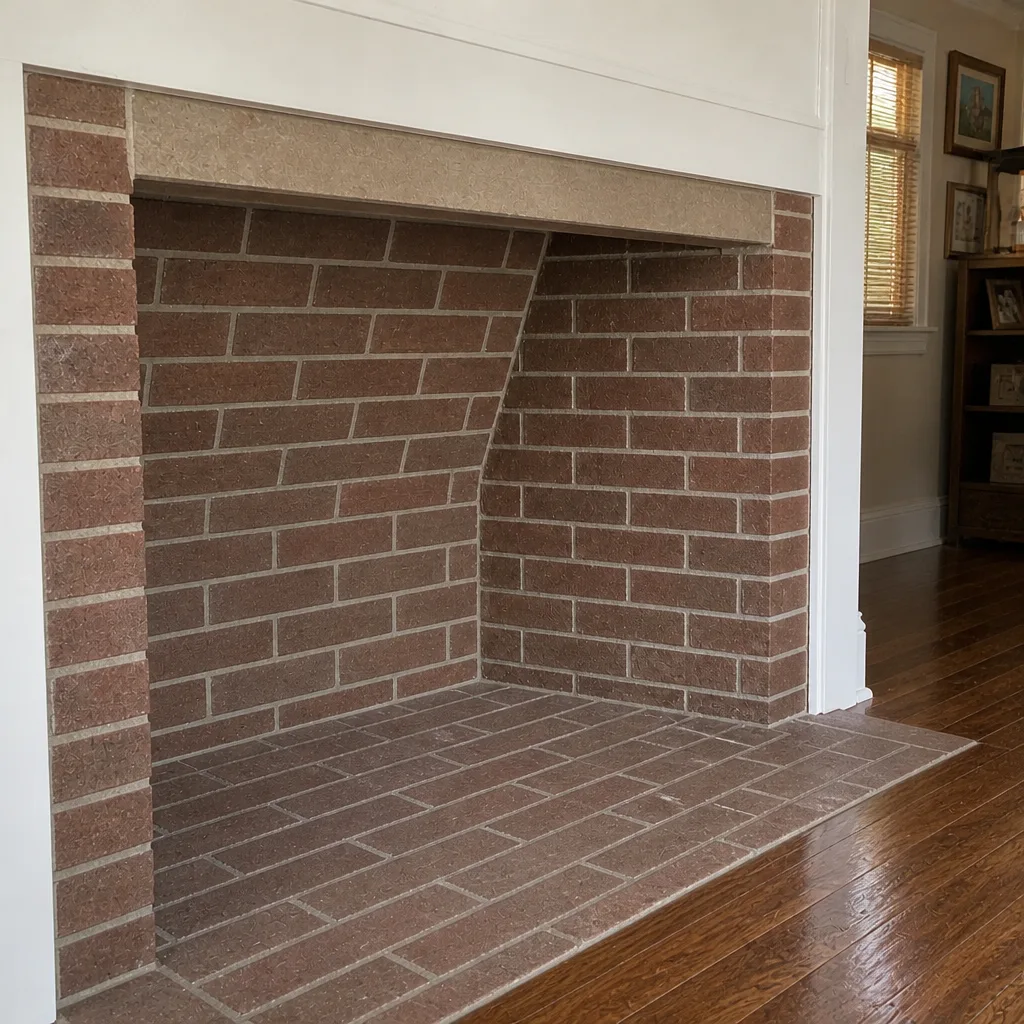
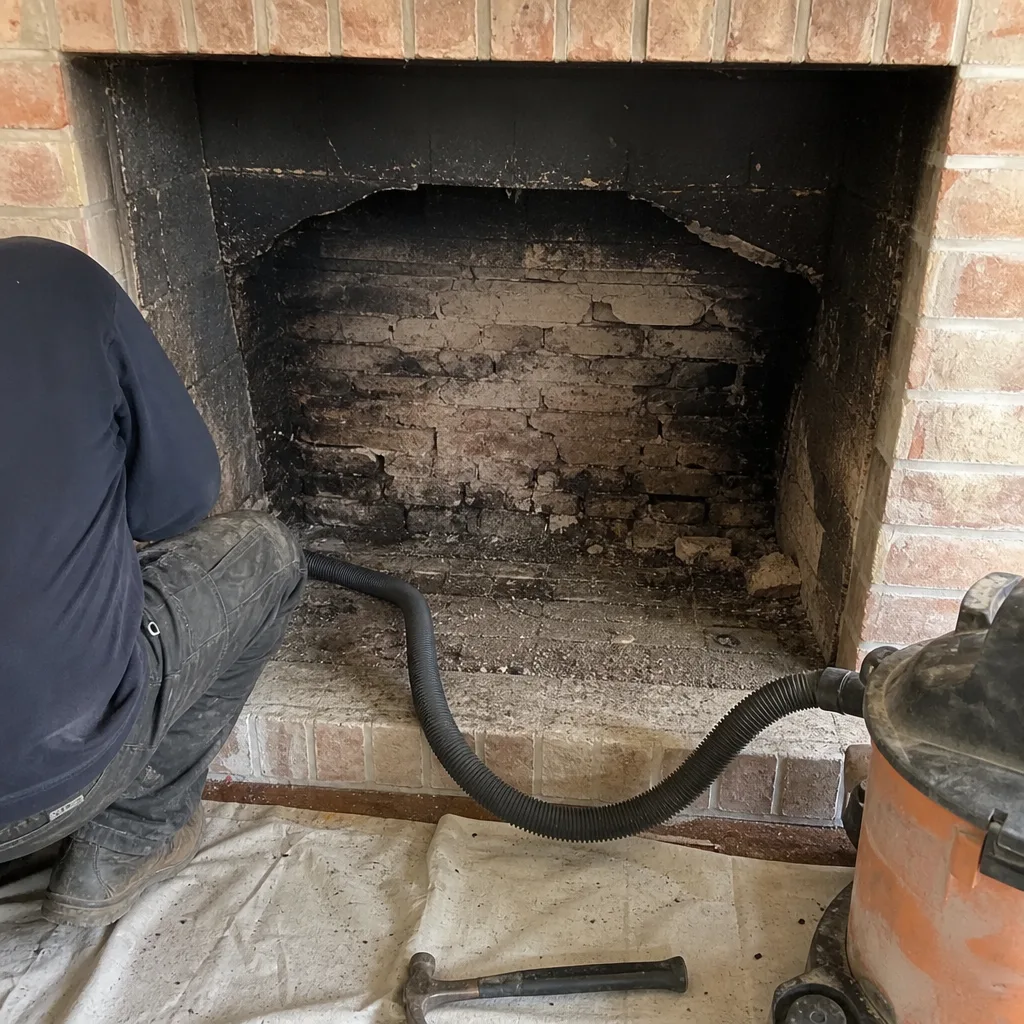
See the difference
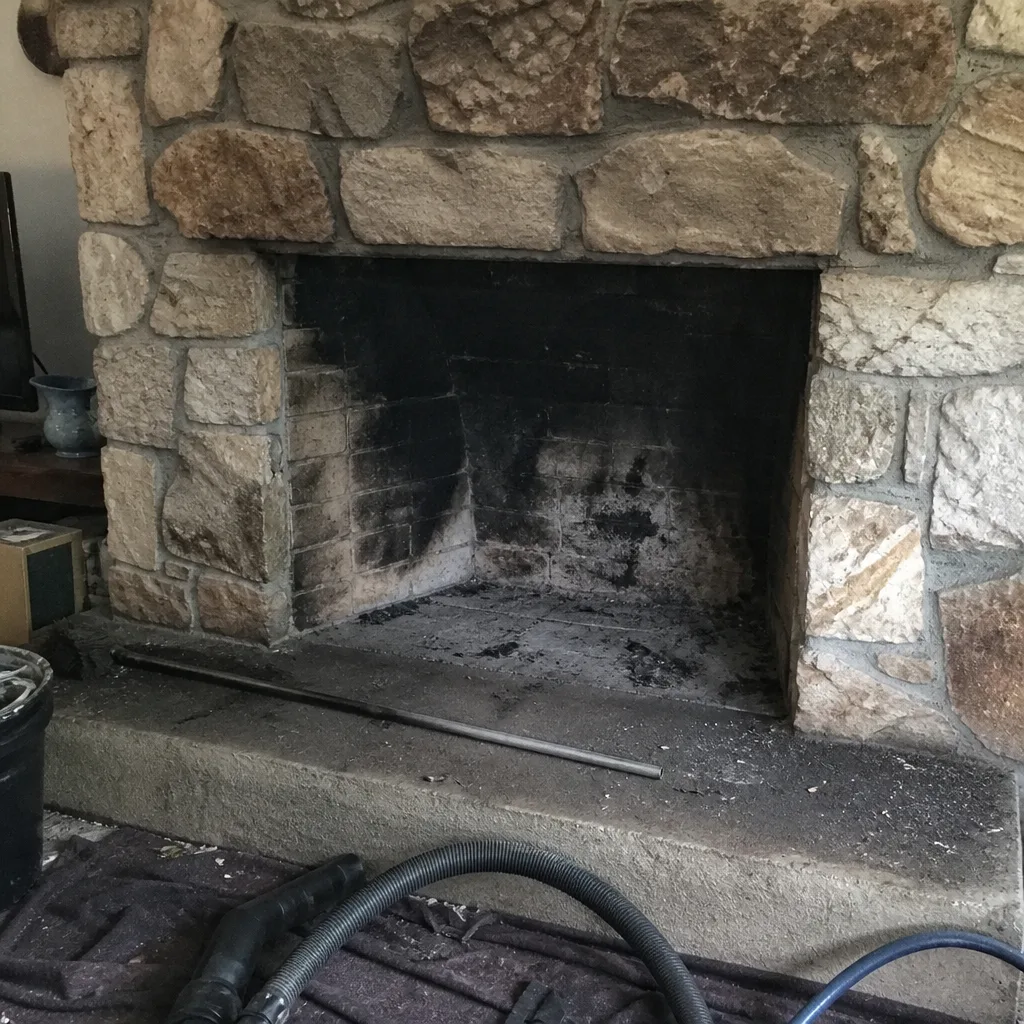 Before
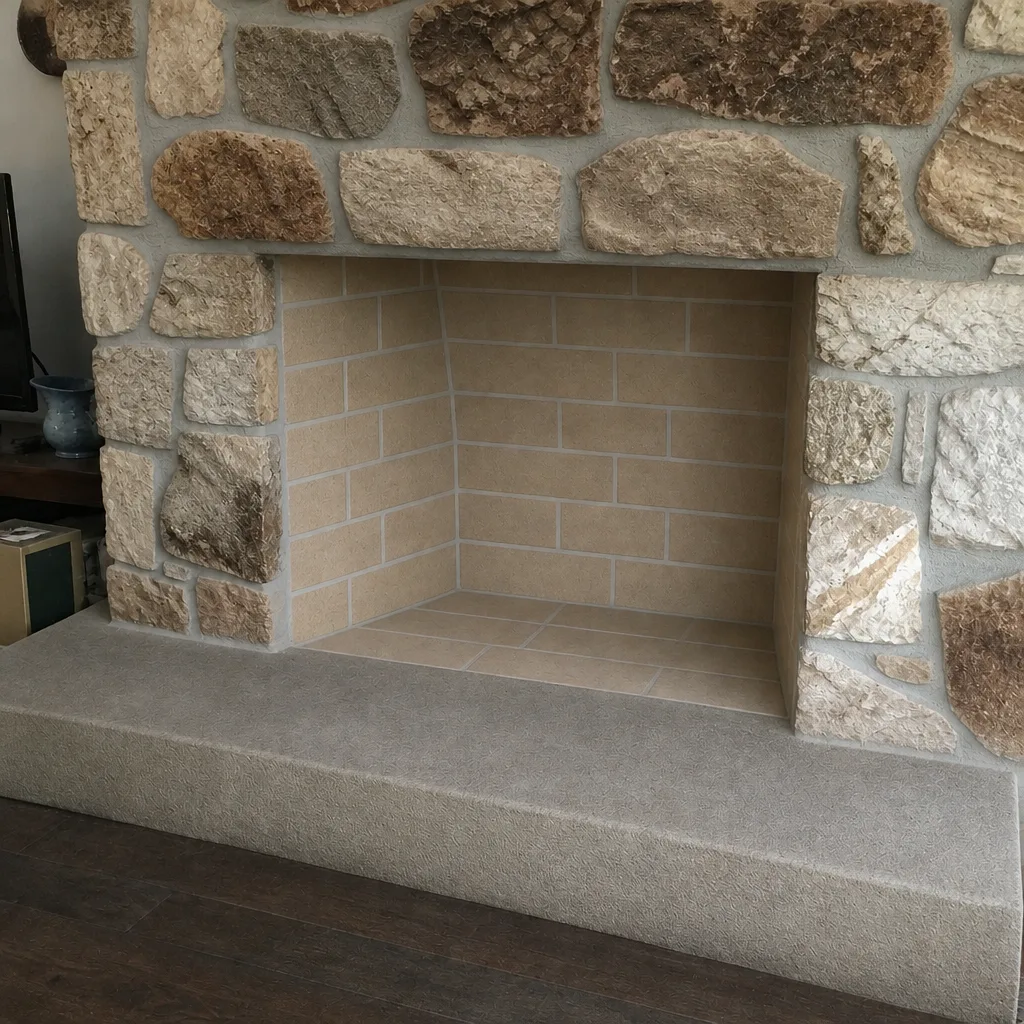 After
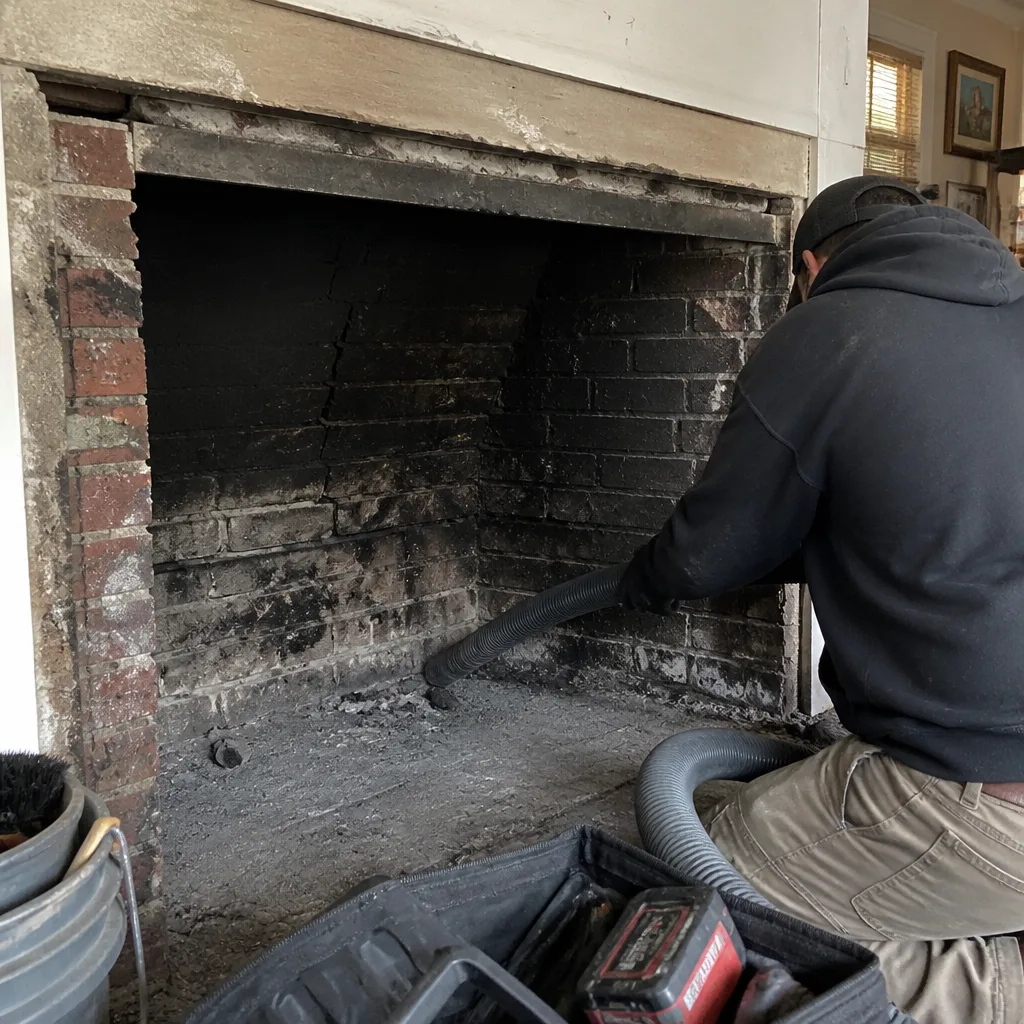 Before
 After
 Before
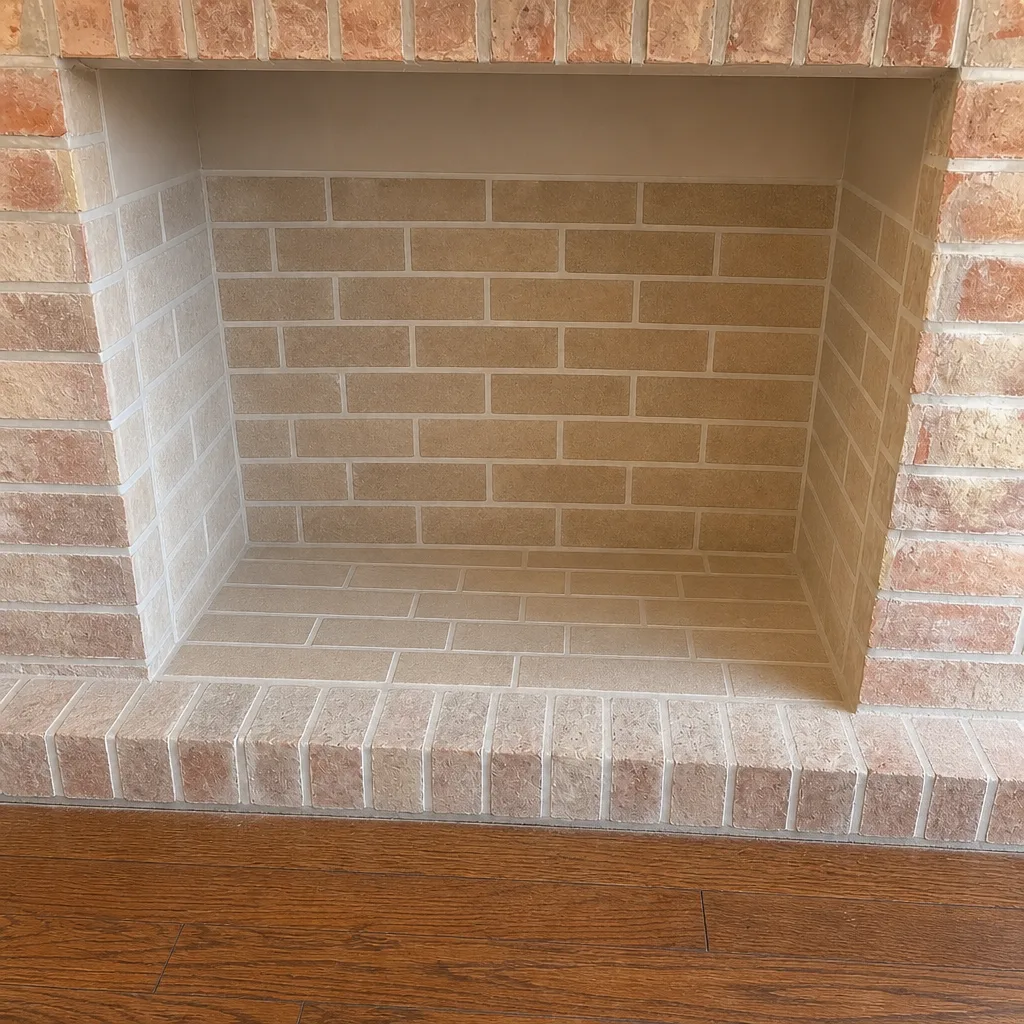 After
Frequently Asked Questions
Most wood-burning chimneys here need a sweep about once a year, done before the burning season starts, though a fireplace that runs daily through the long Northwest winter may need more. The right trigger is a quarter inch or more of creosote on the flue walls, which the inspection confirms. Call (833) 703-5416 to book a sweep and inspection, and we’ll tell you what your specific chimney needs.
Skipping a year lets creosote buildup past the quarter-inch threshold, and that’s the fuel for a chimney fire. It also hides problems that start small in spring: a missing cap, a cracked crown, or failed mortar that quietly takes on water through a whole wet winter. What starts as a cleaning problem becomes a masonry or liner repair. Call (833) 703-5416 for an inspection and we’ll show you what’s actually happening.
Yes. Summer is the best time to book because the schedule is open and the dry weather is right for materials that need to cure, including HeatShield flue resurfacing and masonry work. The September and October rush is much harder to fit into, and the summer window means the chimney is ready well before the first cold-snap fire. Call (833) 703-5416 and we’ll get you on the books.
Look for spalling brick, crumbling mortar joints, water stains in the firebox or on the damper, a cracked chimney crown, and a missing or damaged cap. White, chalky stains on exterior brick (efflorescence) mean moisture has been traveling through the chimney. Spring is the right time because the winter damage is visible and the repair window hasn’t closed yet. Call (833) 703-5416 for a free estimate.
A cap needs replacing if it’s missing, rusted through, torn at the screen, or no longer sitting above the flue and shedding water away from it. The typical sign is water getting into the firebox in spring, or a bird nesting in the flue in early summer. A new cap from Gelco or Famco sits properly and keeps the flue dry. Call (833) 703-5416 to have it looked at.
No. A chimney fire can damage the liner, crack mortar, or leave the flue structure unsafe, and much of that damage isn’t visible without a camera inspection. Don’t burn again until a professional has looked at the flue and cleared it. Call (833) 703-5416. We answer 24/7. A call outside dispatch hours is booked into the next opening, Sunday through Friday, 7am to 7pm.
The Bottom Line
Chimney care in Lake City works best as a calendar, not a fall panic. Spring shows you what winter did. Summer gives you the open schedule and the dry weather to fix it with materials that cure properly. Fall is the pre-season sequence: inspect, sweep, test, cap-check, then burn. Winter is watching for the stop-use signals that mean put the fire out and call. That calendar catches problems while they’re small, keeps the flue safe, and means the first cold-snap fire of the season burns through a clean, inspected chimney instead of eight months of debris. Our technicians have up to 12 years of experience.
Chimney Sweep Lake City offers free estimates in Lake City. Call (833) 703-5416. We answer 24/7. Fast dispatch from 7am to 7pm, Sunday through Friday, and we’ll tell you plainly whether the work can wait or shouldn’t.
Written by the team at Chimney Sweep Lake City.