
Last updated November 25, 2026
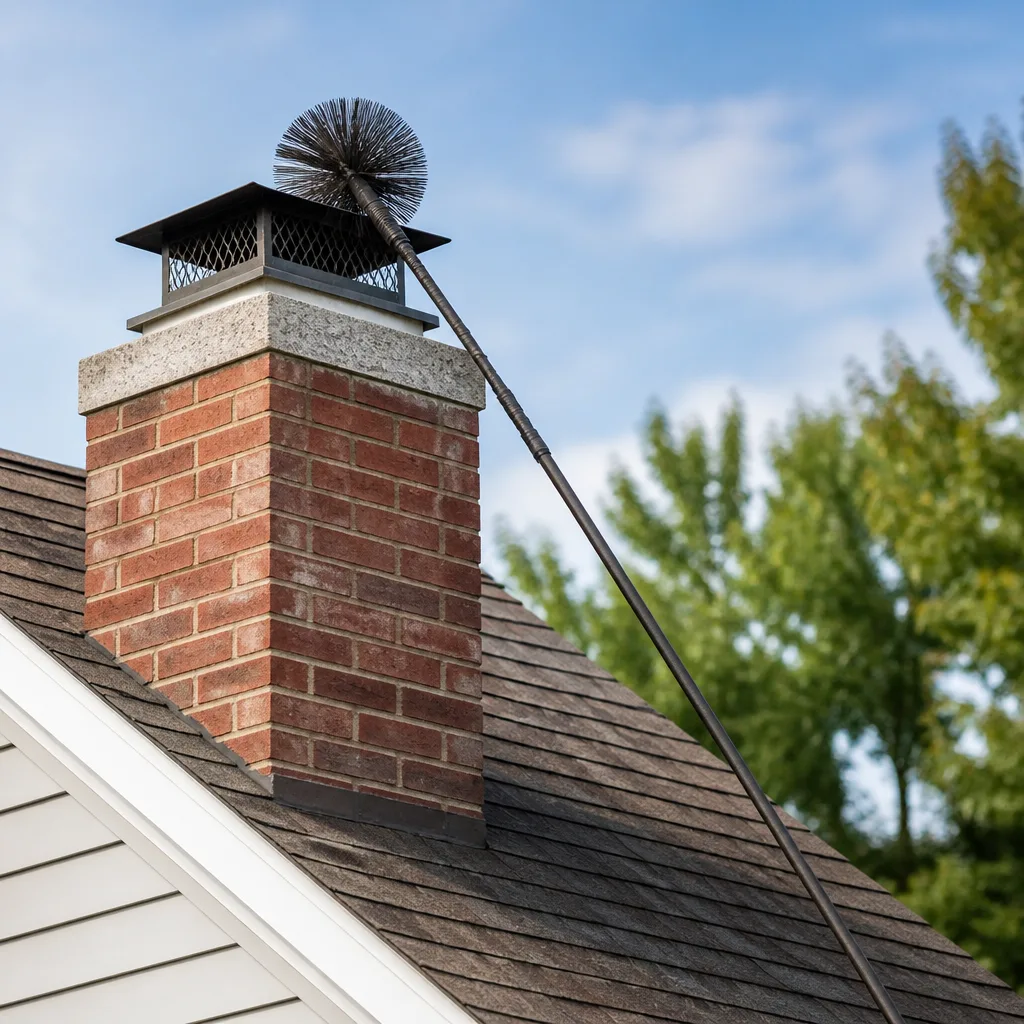 Sweep & inspection
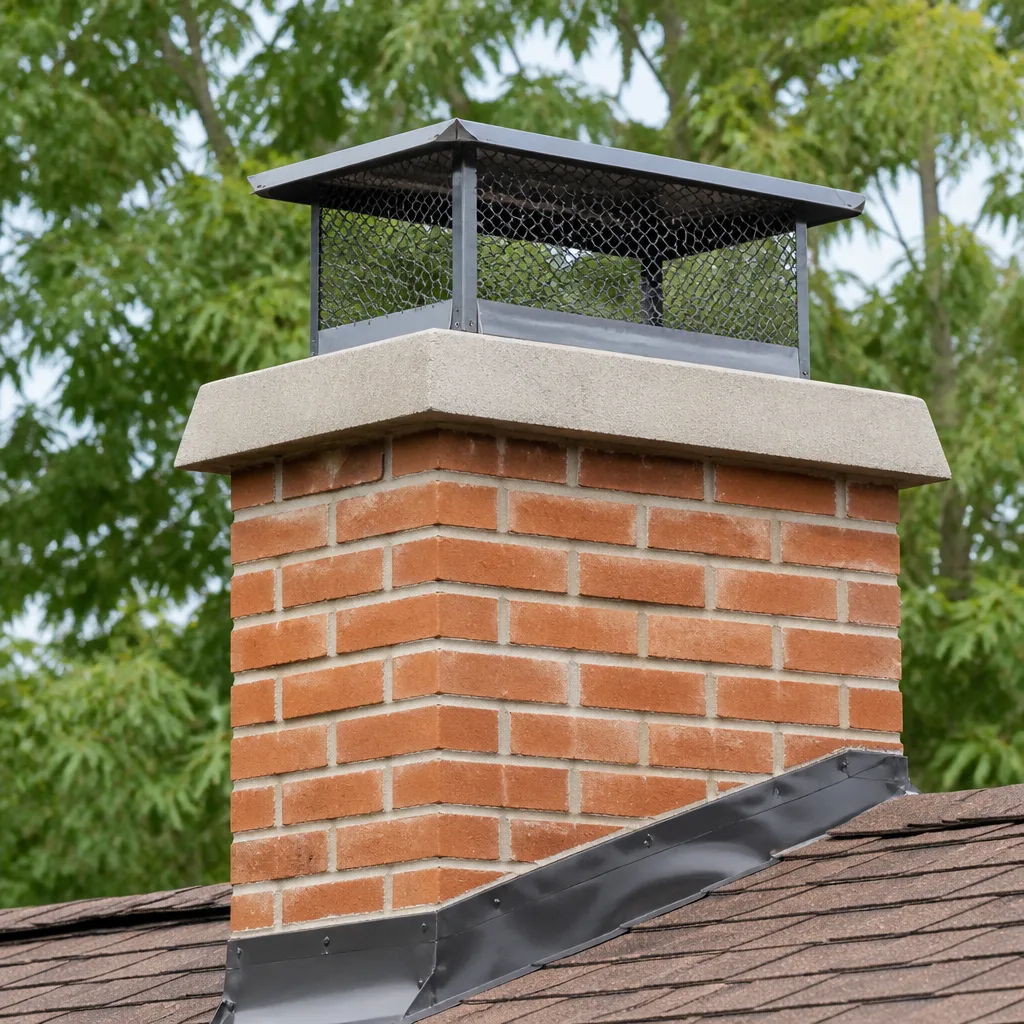 Caps & crowns
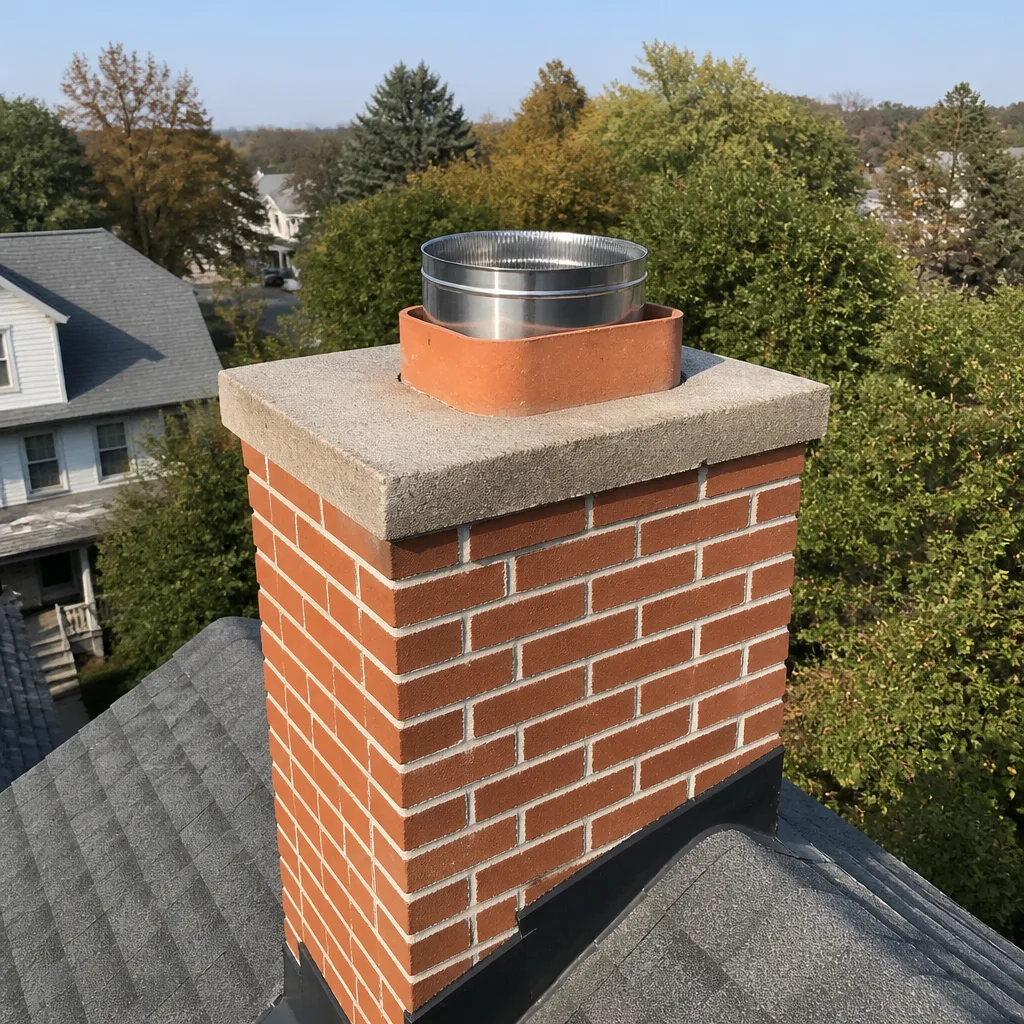 Flue relining
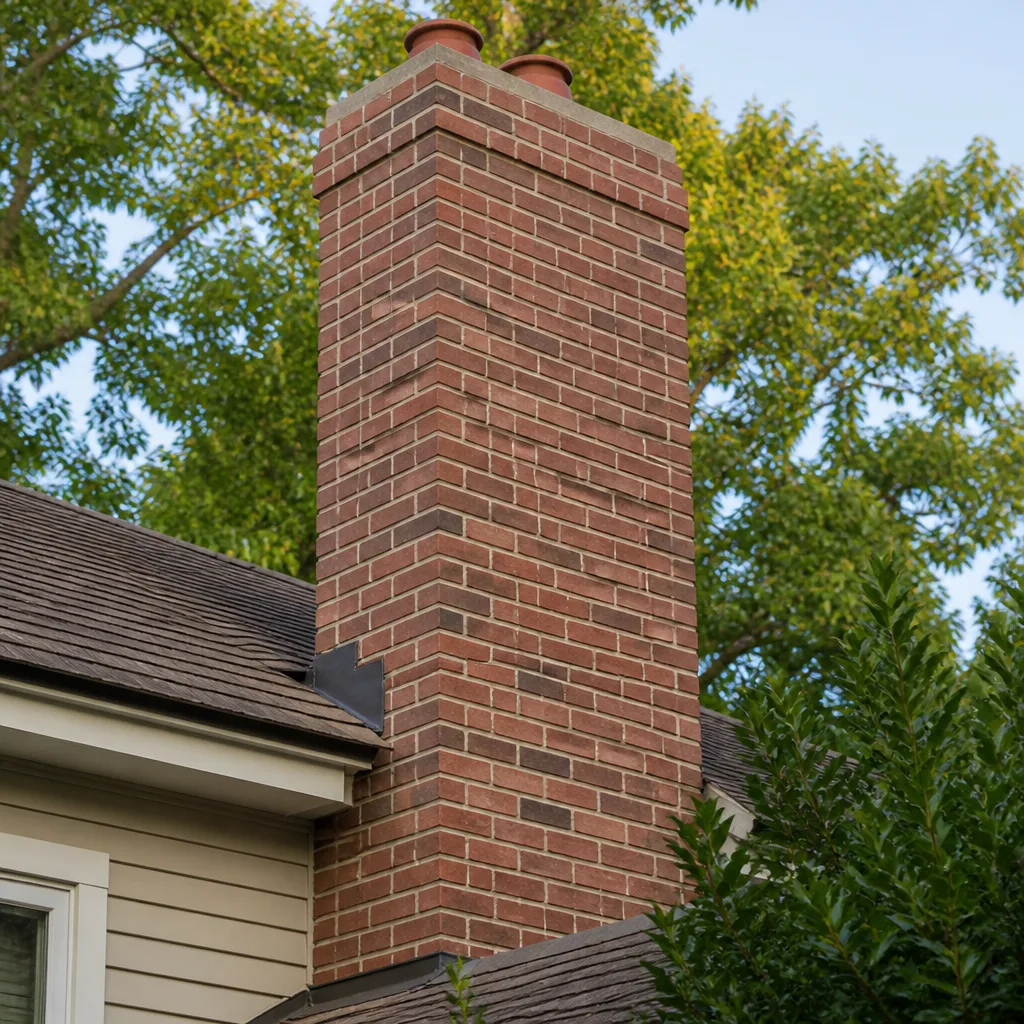 Masonry repair
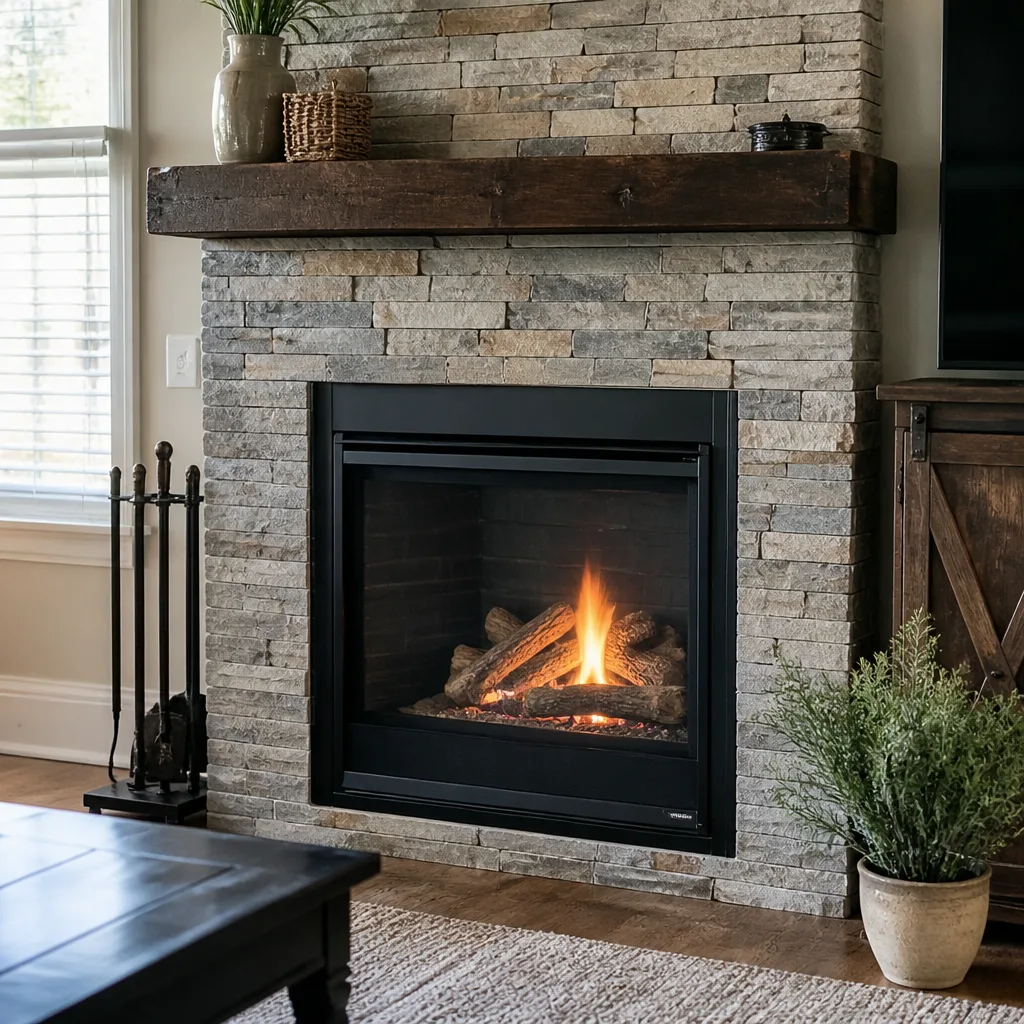 Gas fireplace service
Level 1 sweep and inspection to the NFPA 211 annual standard - flue, crown, cap, and flashing checked and photographed
Chimney sweep logs do not sweep chimneys. They loosen some creosote - which then falls where a brush and vacuum still have to collect it.
The Complete Guide to Chimney Cleaning in Lake City
Most homeowners think of a chimney sweep as a once-a-year brush-down, a quick visit that ends with a shop vac and a receipt. That framing misses the real story. In Lake City, where more than 37 inches of rain falls in a typical year, your chimney is a system under constant moisture pressure, and the deposits inside it, the liner that contains the fire, the cap that keeps water out, and the crown that sheds it all affect one another. Cleaning one part while ignoring the rest is how small problems become expensive ones. This guide walks through the whole system so you understand what’s actually getting cleaned, why each piece matters, and what Lake City’s wet winters mean for how often you should call.
Quick Answer
Chimney cleaning in Lake City should happen once a year for most wood-burning homes, and more often for heavy users or anyone burning unseasoned wood, with a Level 2 camera inspection included so the liner and smoke chamber are checked, not just the flue you can reach. In our wet climate, that annual visit doubles as a moisture check on the cap, crown, and mortar joints, since rain intrusion is what drives most structural chimney damage here.
Styles & brands we work with
- Sweep & inspection
- Caps & crowns
- Flue relining
- Masonry repair
- Gas fireplace service
Table of Contents
- Why chimney cleaning matters more in Lake City’s climate
- The three stages of creosote (and why two of them can’t be brushed)
- Level 1, Level 2, and Level 3 inspections: which one you need
- How flue sizing affects how fast deposits build
- What a full-system sweep covers that a quick cleaning misses
- How often to schedule cleaning in Lake City
- What actually happens during a professional cleaning
- What the report tells you and when repair makes sense
Why Chimney Cleaning Matters More in Lake City’s Climate
Lake City averages over 37 inches of rain annually, and that moisture doesn’t stay outside. It works its way into mortar joints, liner gaps, and firebox seams every wet season. A chimney that stays damp on the inside doesn’t just look bad. Moisture weakens mortar, corrodes metal dampers and flue components, and creates conditions where creosote deposits break down into a sticky, harder-to-remove residue. That’s a big part of why chimney cleaning in this part of Washington isn’t simply about smoke and soot.
Think about the cycle across a year. Fall brings the first fires and the first real rain. Winter keeps the flue cold and wet on the outside while the fire heats it from the inside, and that temperature swing stresses the masonry. Spring and summer dry things out but leave hairline cracks that let the next rain in a little deeper. In our experience, chimneys here often show moisture damage earlier than the homeowner expects, and a cleaning visit is frequently where it gets caught.
The rain also affects how deposits form. A cold, damp flue doesn’t draft as cleanly as a warm, dry one, so smoke lingers longer and coats the flue more heavily. That means Lake City homeowners may see faster creosote accumulation than someone in a drier climate burning the same amount of wood. It’s one reason we recommend treating the annual visit as a diagnostic appointment, not just a cleaning.
- Mortar joints: rain finds hairline cracks and cycles through freeze and thaw, widening them over seasons.
- Liner gaps: moisture in the flue space accelerates corrosion of metal liners and softens clay tile joints.
- Firebox seams: damp brickwork around the firebox is where spalling and efflorescence first show up.
- Caps and crowns: the two components most directly responsible for keeping water out, and the two most often neglected.
We work on the whole system here, not just the flue you can see. If you want a one-page overview of our core service, the Chimney Sweep Lake City page is the place to start.
The Three Stages of Creosote (and Why Two of Them Can’t Be Brushed Away)
Creosote is the residue left behind when wood smoke cools against the flue. It builds in stages, and the difference between stages matters because the standard chimney brush only handles the first one. Stage 2 and stage 3 deposits need a different approach entirely, and trying to brush them out can glaze them further or damage the flue.
- Stage 1: Sooty, flaky, and brush-removable. This is the fresh deposit that builds after a handful of fires. A standard sweep with the right brush removes it cleanly. Most homes burning well-seasoned wood and drafting properly stay here between cleanings.
- Stage 2: Crusty and hardened. This forms when the flue stays cooler than it should, whether from a cold exterior wall, an oversized flue, or wet wood. The deposit hardens into a crust that a brush will skip over. Removing it usually requires a chemical treatment to soften it and then mechanical agitation with the right tool.
- Stage 3: Glazed and tar-like. This is the highest-risk form. The deposit is dense, shiny, and fuel-rich, and it can ignite. Brushing alone won’t touch it. Removal typically needs specialized mechanical tools, and in the worst cases the liner has to be replaced rather than cleaned.
Lake City’s wet climate nudges homeowners toward stage 2 more often than they realize, because a damp flue cools smoke faster and creates the temperature conditions that harden deposits. That’s part of the argument for a scheduled sweep rather than a calls-only-when-it-smells approach.
What you should take from this: if a cleaning visit finds stage 2 or 3 deposits, brushing isn’t the answer, and a contractor who tries to brush anyway and declares the job done hasn’t done the job. Ask what’s in your flue and how it’s being removed. That’s a fair question.
Level 1, Level 2, and Level 3 Inspections: Which One You Need
Chimney inspections aren’t a single thing. The industry standard recognizes three levels, and the difference is how deep the check goes and what equipment it requires. Most Lake City homeowners need a Level 2 after every wet winter, because that’s the level that actually inspects the parts of the chimney rain is most likely to damage.
Level 1 inspection
A visual check of the readily accessible parts of the chimney and connected appliance. It covers the firebox, damper, smoke chamber as far as you can see, visible flue, and the exterior where reachable from the ground. A Level 1 is appropriate for a routine annual sweep on a chimney with no known issues, in a home that hasn’t changed anything about its setup. It’s the least expensive and the least informative if you haven’t had a deeper look in a while.
Level 2 inspection
This is the standard for a chimney that sees wet winters, has changed appliance, has changed fuel, has just sold, or has had any event that might have affected the flue (a chimney fire, a seismic event, a bad storm). A Level 2 adds a video camera run through the flue, and it inspects accessible parts of attics, crawl spaces, and other connected spaces. This is the level that catches hidden liner cracks, offset misalignments, and moisture damage that a visual look from the firebox will miss.
Level 3 inspection
The deepest level, and the one nobody schedules unless something points to it. A Level 3 involves opening walls, ceilings, or other parts of the building to reach parts of the chimney that can’t be seen otherwise. It’s appropriate when a Level 2 finds a hidden problem that has to be confirmed. This is a construction-level inspection, and it’s not a routine step.
What Lake City homeowners should schedule
In our experience, a Level 2 is the right level once a year for most Lake City chimneys, and it’s the minimum after any winter with significant ice or heavy rain. If the video inspection finds nothing concerning, the next year can drop back to a Level 1. If it finds a cracked tile or a moisture-damaged joint, you know before it becomes a liner failure.
Here at Chimney Sweep Lake City, our chimney sweep visits include a camera inspection and a photo report you can look at yourself, so you’re not taking anyone’s word for what’s in the flue.
How Flue Sizing Affects How Fast Deposits Build
The size of your flue relative to your firebox opening shapes the draft, and draft decides how much creosote forms. This is the part of chimney science most often skipped in homeowner guides, and it’s the reason two neighbors burning the same wood in similar fireplaces can end up with very different amounts of buildup.
Every firebox has an optimal flue size, roughly tied to the opening dimensions. Get it right and the smoke leaves with good velocity and little lingering. Get it too large and smoke cools on its way up, depositing creosote as it goes. Get it too small and the fire becomes smokey and underdrafted, and you get deposits in the firebox, smoke chamber, and up the flue. Either mismatch accelerates buildup.
Lake City homes include a lot of older masonry fireplaces where the firebox was opened up at some point and the flue was never resized, and newer prefab inserts that replaced an original firebox without anyone resizing the flue. Both are common sources of fast, hard deposits.
Mixed hardwoods, which Seattle-area homeowners often burn, can also affect this. Mixed loads mean the fire temperature and the smoke chemistry change from fire to fire, and softer or less-seasoned pieces in the mix contribute to heavier deposits. If you’re burning mixed hardwoods, a properly sized flue matters more, not less.
- Oversized flue: smoke slows and cools on the way up, depositing creosote along the walls.
- Undersized flue: fire doesn’t draft, smoke backs into the room, deposits build fast.
- Unseasoned or mixed wood: wet wood and slower, cooler burns add water vapor and incomplete combustion to the picture.
- Changed firebox: an insert or opened-up firebox without resizing the flue is a common mismatch.
During a sweep, we measure the firebox and the flue together, and we can tell you if your current setup is sized sensibly for the way you burn. If it isn’t, we’ll explain the options without pushing anything you don’t need.
What a Full-System Sweep Covers That a Quick Cleaning Misses
A full-system sweep treats the chimney as the system it is: the firebox, damper, smoke chamber, flue, cap, crown, and the exterior masonry. One-visit cleaning usually means the flue gets brushed and the firebox gets vacuumed. That leaves the smoke chamber, the liner, and the moisture-protection components unchecked, which are exactly the places Lake City’s rain and Lake City’s creosote do the most damage.
Here’s what a full-system sweep covers that a one-visit cleaning skips:
- The smoke chamber. The sloped chamber above the damper is where smoke and creosote collect on the corbels. Most quick cleanings skip it. Brushing its corbeled surface properly takes specialized tools, and skipping it leaves flammable deposits right where a fire can reach them.
- The liner interior. A camera run through the flue shows cracks, gaps, and offset misalignment. A one-visit clean may not include a camera, which means a hidden liner problem goes into next winter untouched.
- The damper and its seat. A damper that doesn’t seat correctly leaks heat and lets smoke back into the room. It’s a small part that gets ignored.
- Caps and crowns. These are the moisture barrier. A cracked crown or a damaged cap lets rain through the season. Caps and crowns sourced from dedicated chimney manufacturers (Gelco and Famco) hold up better than generic hardware from a big-box store, and our chimney cap & crown page covers that work in detail.
- The exterior mortar and flashing. Hairline cracks that the last dry season didn’t fix should be flagged in the report, with a fair assessment of how urgent they are.
- Fireplace components. A cracked firebox, a loose grate, or a warped fireback is a fire-safety issue. Those get looked at during the same visit. For dedicated fireplace work, our fireplace repair service is the right call.
Specifying the right materials in each of those areas matters as much as the labor. We work with DuraFlex for flexible relining of older or offset flues, HeatShield for resurfacing a deteriorated liner without full replacement in cases where it qualifies, and Olympia Chimney and Copperfield for specialty chimney components. Because we cover all five service categories (sweep, inspection, cap and crown, chimney repair, and fireplace repair), you’re not running between contractors to get a full picture.
How Often to Schedule Cleaning in Lake City
Once a year is the baseline for most wood-burning chimneys. But that baseline assumes you burn regularly through the season, use reasonably seasoned wood, and haven’t had any structural changes. At Lake City’s moisture levels, several factors push homeowners toward more frequent cleaning:
- You burn more than occasionally. Think a fire most days from October through March. Annual becomes twice a year for many homeowners in that range, especially with mixed hardwoods.
- You burn unseasoned wood. Wood with high moisture content produces more smoke and heavier creosote. If you’re not sure your wood is dry, have the flue checked more often.
- Your flue is oversized or undersized. Mismatched sizing accelerates buildup. Sweeps should be scheduled on the tighter frequency in that case.
- You’ve already found stage 2 deposits. Once creosote has hardened, the next round can come faster. Don’t wait a full year to check.
- You’ve skipped a year after a wet winter. A chimney that saw a lot of rain without a cleaning and inspection is a candidate for an early check.
- You’ve had a chimney fire (even a small one). Any chimney fire, no matter how short, warrants an inspection before the next fire. Even a fire that stayed in the flue can crack a clay liner.
- You just bought the house. You don’t know the last cleaning history. Start with a Level 2 inspection and a sweep before the first fire.
The rule of thumb many in the trade use is at least one cleaning per cord of wood burned, and more often if the flue is cold or the wood is wet. For Lake City, that’s a reasonable floor. The real number depends on what the camera shows, and that’s why a proper sweep with a photo report is more useful than a generic annual schedule.
What Actually Happens During a Professional Cleaning
The best sweeps are uneventful. Here’s the sequence a professional cleaning should follow, so you know what to expect and can tell if a quote is missing steps:
- Setup and protection. Drop cloths, plastic sheeting, and a HEPA vacuum placed at the firebox. Your floor and furniture stay out of the picture.
- Firebox and damper check. The technician opens the damper, checks it seats cleanly, and inspects the firebox for cracks, spalling, and efflorescence.
- Smoke chamber cleaning. The chamber above the damper gets brushed with the right tools. This is the step a quick cleaning skips.
- Flue brushing. Top-down or bottom-up brushing with the right brush for the liner material. The flue gets cleaned end to end.
- Camera inspection. A video camera travels the flue. Cracks, offsets, gaps, and deposits are recorded. This is where a moisture-damaged joint shows up on camera.
- Exterior inspection. Cap, crown, flashing, and visible masonry checked. Caps and crowns from dedicated chimney manufacturers (Gelco and Famco) tend to hold up better than generic substitutes, so if a repair is coming, that’s worth knowing.
- Report and photos. You get a written summary and photos of anything flagged, with a plain answer to “fix now or wait.”
- Cleanup. Everything gets bagged, the vacuum gets run out, and the room looks exactly as it did before.
The full visit for a standard masonry chimney typically runs about 60 to 90 minutes. Prefab and insert-equipped chimneys can be shorter. If a quote promises a 20-minute visit with no camera, it’s a cleaning, not a sweep.
What the Report Tells You and When Repair Makes Sense
The most useful part of a sweep is the report. A good one answers four questions in plain English:
- What was found in the flue. Which stage of creosote, and whether the liner shows cracks, gaps, or offset misalignment.
- How moisture is affecting the chimney. Which components showed dampness, efflorescence, or hairline cracks, and how urgent each one is.
- What can safely wait. Many findings can wait a season. A professional report should say so, plainly, and not turn a hairline into a catastrophe.
- What shouldn’t wait. A visibly cracked liner, a chimney fire with liner damage, or a firebox crack that could let embers into the framing above has to be addressed before the next fire.
Two repair paths come up most often. If the liner is deteriorated but still sound in structure, HeatShield resurfacing can restore it without the cost of a full reline in cases where the flue qualifies. If the liner is missing, broken, or improperly sized, a DuraFlex flexible liner is the industry-standard reline for older or offset flues. We install and service both, along with the cap and crown work that keeps the whole system sealed.
The answer to “do I need this repair” should always come down to evidence you can look at, not a recommendation you can’t verify. That’s why every sweep we run includes a camera inspection and a photo report. If the report says the liner is fine, it’s fine. If it shows a crack, you’re seeing it yourself.
Common Mistakes to Avoid
- Judging the job by how fast it was. A 20-minute cleaning with no camera and no smoke-chamber work isn’t a sweep. It’s a brush-and-go that leaves the parts most likely to catch fire untouched.
- Skipping the inspection because the cleaning looked fine. Cleaning and inspecting are different jobs. A flue can look fine from the firebox and still have a cracked tile above the smoke chamber that only shows up on camera.
- Using a generic hardware-store cap. Caps and crowns sourced from dedicated chimney manufacturers are built for chimney conditions. Generic substitutes often fail within a few Lake City wet seasons and let water back in.
- Assuming a rain cap blocks all moisture. A cap keeps rain out of the flue, but the crown, flashing, and mortar joints are what keep the chimney structure dry. All three need to be checked each year.
- Burning unseasoned wood to save money. Wet wood produces more smoke, more creosote, and stage 2 deposits more often. The savings on cheap wood tend to disappear into more frequent cleanings and harder-to-remove deposits.
- Ignoring a small chimney fire or a hot smell. A chimney fire that sounds like a freight train is the dramatic version. A quiet, hot puff with a smell of burning and a sudden dark deposit is the small version, and either one deserves an inspection before the next fire.
- Calling a different contractor for each repair. A sweep that finds a liner issue, a crown crack, and a firebox problem shouldn’t send you to three numbers. One contractor covering sweep, inspection, cap and crown, chimney repair, and fireplace repair avoids that runaround.
See the difference
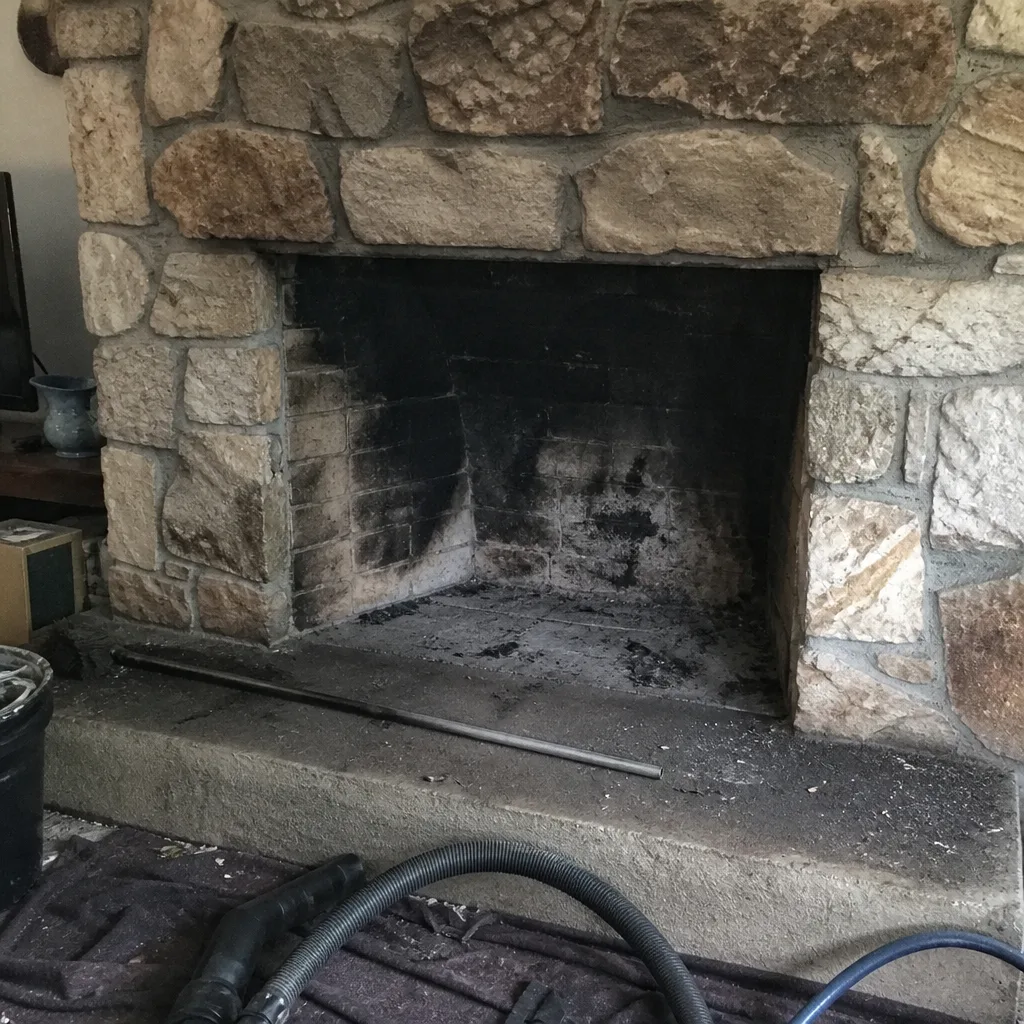 Before
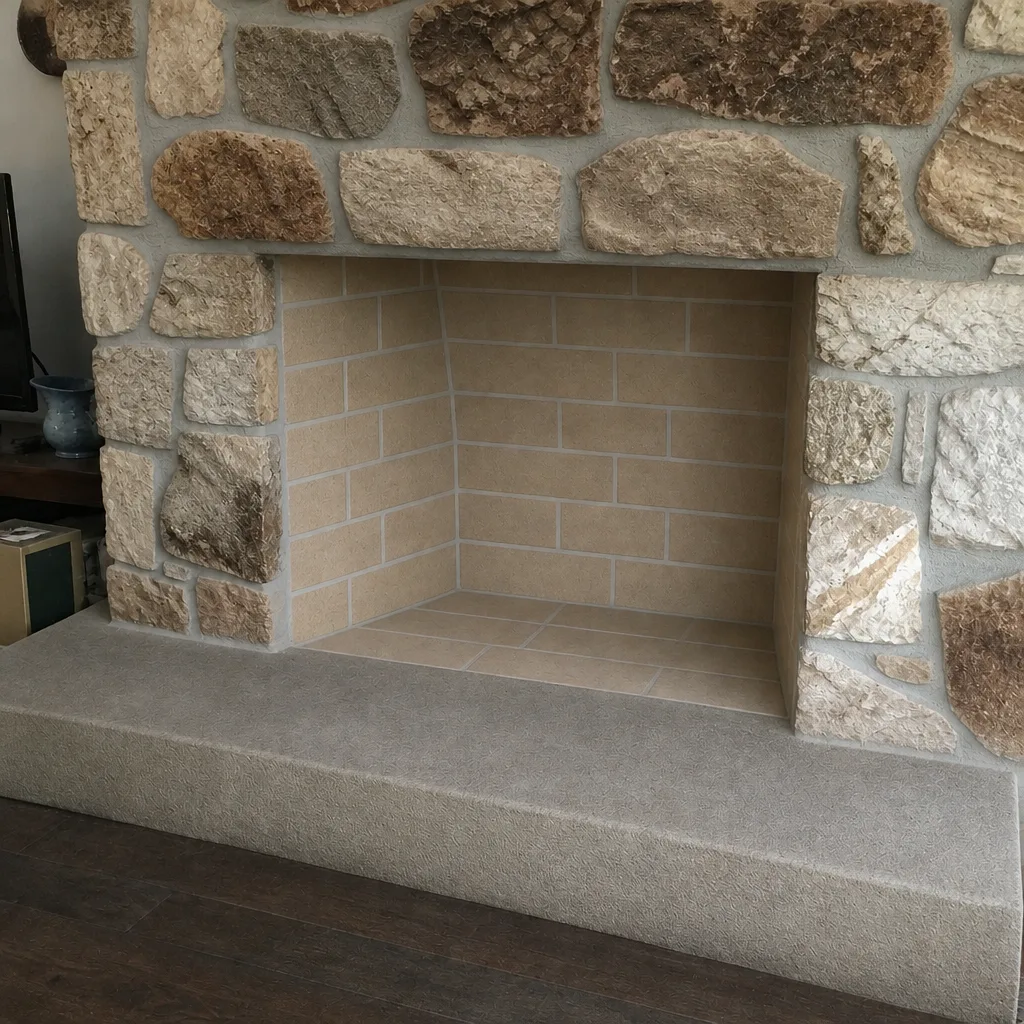 After
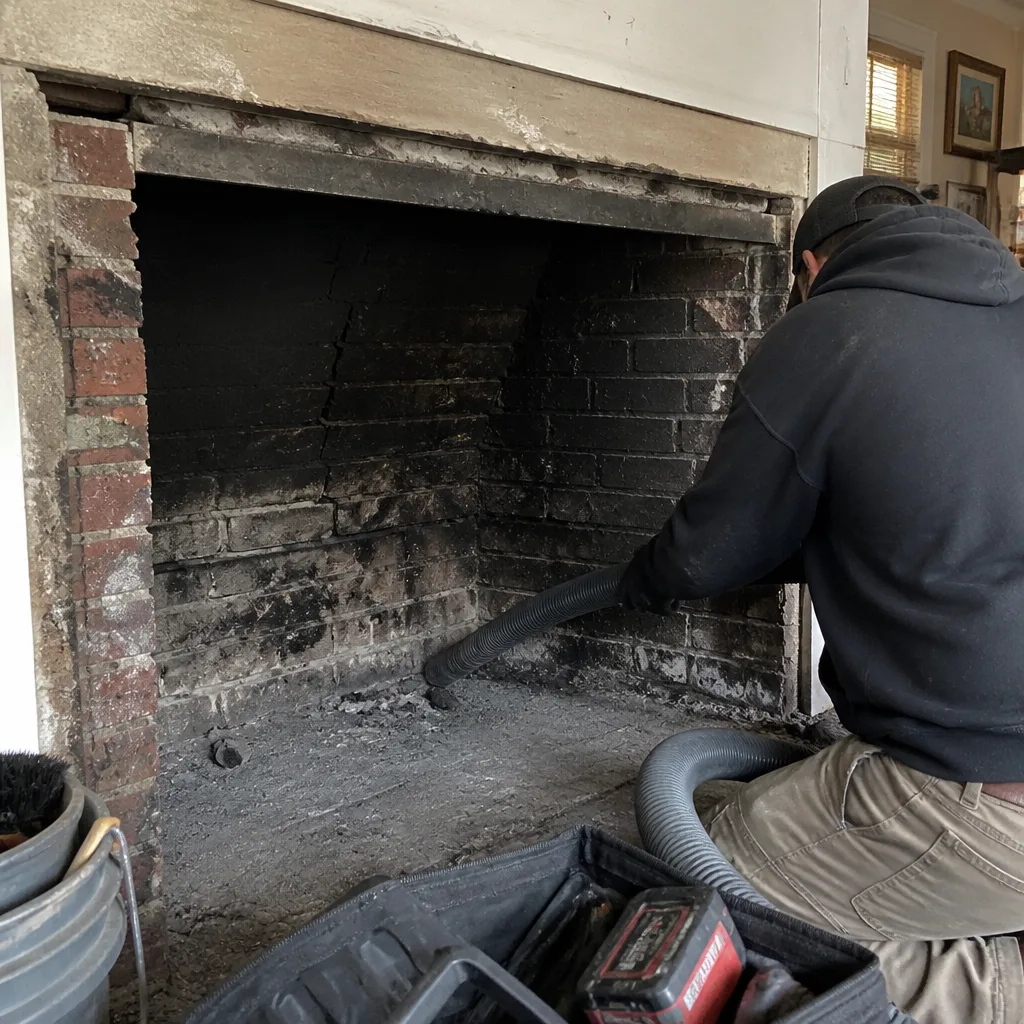 Before
 After
 Before
 After
When to Call a Professional
Call a professional if you haven’t had a cleaning or inspection in the last year and you burn wood regularly. Call if you’ve had a chimney fire, even a small one, or if you smell a hot, burning odor when the fire is going. Call if the fire smokes back into the room, if the damper sticks, if you see white staining or spalling on the firebox brick, or if the cap and crown look cracked. Call if you just bought the house and don’t know the cleaning history. Call if you’ve changed the appliance or the firebox without resizing the flue. And call if you’re seeing a straight shingle of creosote on the flue walls through a camera shot you’ve taken yourself. None of these need to be scary, but each one is easier to fix now than mid-winter.
Chimney Sweep Lake City offers free estimates in Lake City. Call (833) 703-5416 to book a sweep or an inspection. We answer 24/7. Fast dispatch from 7am to 7pm, Sunday through Friday.
Frequently Asked Questions
Cost depends on the chimney, the level of inspection, and what the camera finds during the visit. Pricing is set per job by the written estimate, and the estimate itself is free. The written estimate sets the final price, so nothing is a surprise after the visit. Call (833) 703-5416 for an exact quote – estimates are free.
A liner is only needed if the existing one is missing, cracked, or improperly sized, which is a safety issue and not a comfort upgrade. Every recommendation we make is based on what the camera shows you. If the liner is sound, we’ll say so; if it needs a HeatShield resurfacing or a DuraFlex reline, you’ll see the crack or the missing section in your report before anyone quotes a fix. Call (833) 703-5416 for an exact quote – estimates are free.
Once a year is the floor for most wood-burning homes, with twice a year for heavy users and mixed-hardwood burners. Lake City’s yearly rainfall makes moisture intrusion a real factor, so the annual visit should include a camera inspection of the liner and a check on the cap and crown. Call (833) 703-5416 for an exact quote – estimates are free.
Creosote builds, hardens into stage 2 and stage 3 deposits, and becomes harder to remove without specialized treatment. Moisture quietly works into mortar joints and liner gaps in the meantime. The result is more frequent cleaning to catch up and, in the worst cases, liner or masonry repair that a yearly visit would have caught earlier. Skipping a year isn’t a disaster; skipping several is a different conversation. Call (833) 703-5416 for an exact quote – estimates are free.
Schedule a Level 2 for a routine annual check on a Lake City chimney, since that’s the level that runs a camera through the flue and inspects the accessible parts of the attic and other connected spaces. A Level 1 is fine the year after a clean Level 2 if nothing has changed. Level 3 is reserved for confirming a hidden problem a Level 2 spotted. Call (833) 703-5416 for an exact quote – estimates are free.
You can brush a flue yourself, but the parts of the sweep that matter most – the smoke chamber, the camera inspection, and the exterior check on the cap, crown, and mortar – are the parts that a DIY job leaves out, and they’re where Lake City’s moisture and creosote damage tend to start. A proper sweep is not just brushing; it’s inspecting the whole system. Call (833) 703-5416 for an exact quote – estimates are free.
The Bottom Line
The chimney in a Lake City home is a system, and cleaning it like a single task leaves the vulnerable parts untouched. Rain, creosote, and flue sizing all interact, and the annual sweep is where the interactions get caught. Schedule a sweep once a year, ask for a camera inspection with a photo report, check the cap and crown each visit, and don’t put off a liner or firebox issue that the report flags. If you cover the whole system each year, you rarely end up with a big repair in March. If you don’t, the fix usually costs more. Either way, you should know what’s in your flue before you use it, and a photo report is how you know.
When you’re ready to book a sweep or a camera inspection in Lake City, call Chimney Sweep Lake City at (833) 703-5416 for a free estimate. We answer 24/7. Fast dispatch from 7am to 7pm, Sunday through Friday.
Written by the team at Chimney Sweep Lake City.