
Last updated November 25, 2026
 Sweep & inspection
 Caps & crowns
 Flue relining
 Masonry repair
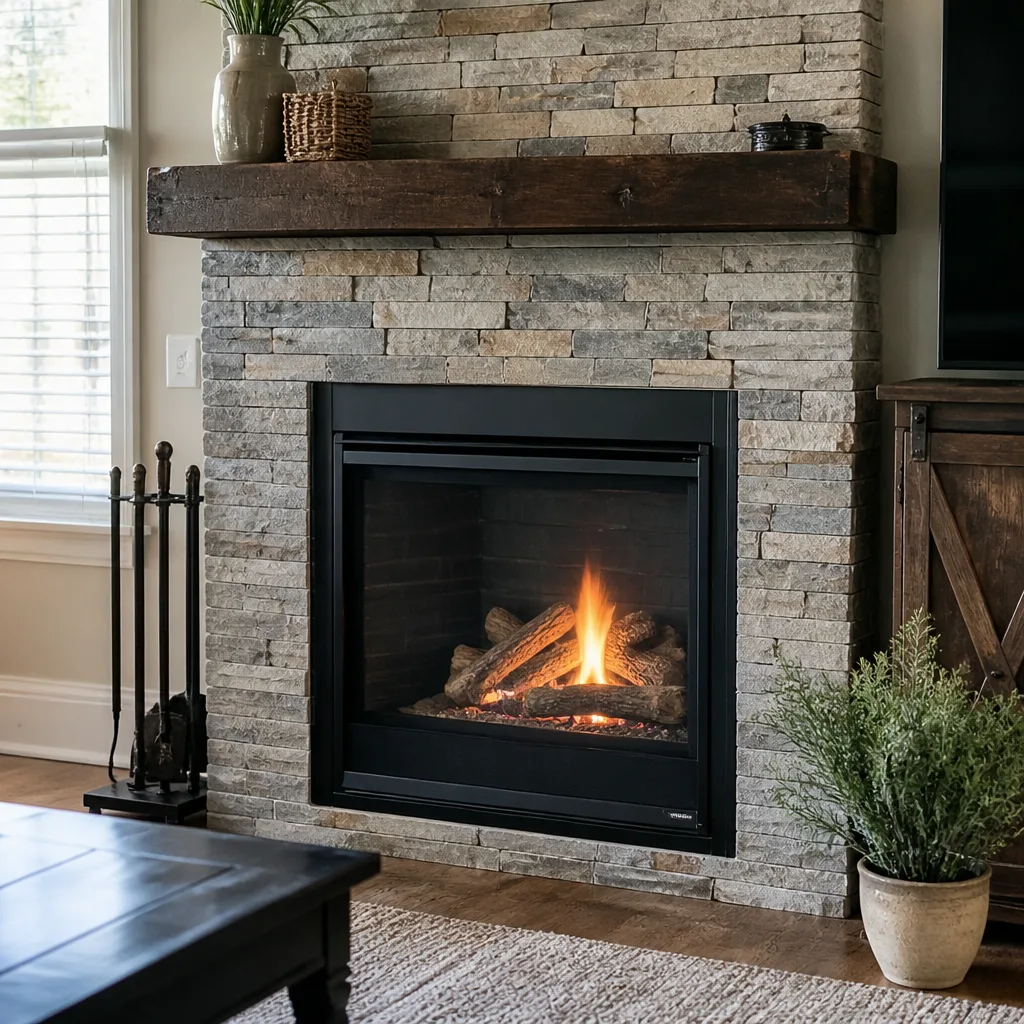 Gas fireplace service
Level 1 sweep and inspection to the NFPA 211 annual standard - flue, crown, cap, and flashing checked and photographed
Chimney sweep logs do not sweep chimneys. They loosen some creosote - which then falls where a brush and vacuum still have to collect it.
How to Hire a Chimney Cleaning Contractor in Lake City: A Step-by-Step Guide
Most homeowners hire a chimney sweep the way they’d hire someone to mow a lawn: whoever answers the phone first and quotes the lowest price. That works fine for grass. It does not work for the inside of a flue, where a poor job can mean a hidden fire hazard or an expensive “repair” you never actually needed. Here’s the uncomfortable truth about chimney work: it has almost no barrier to entry. Anyone with a brush kit and a van can print “sweep” on a business card. This guide gives you the specific questions and checks that separate a credentialed Lake City contractor who handles the whole system from a cut-rate cleaning crew that upsells. You’ll learn the credentials that matter, the red flags, and how to read an inspection report.
Quick Answer
To hire a chimney cleaning contractor in Lake City, verify three things before you book: current CSIA certification for the sweep, active Washington state contractor registration for any repair work, and proof the company does its own structural repairs and relining rather than subcontracting them. Then ask for a camera inspection with a written report you can read. A sweep who cleans but isn’t set up to repair is only half the job, and you should know that going in.
Styles & brands we work with
- Sweep & inspection
- Caps & crowns
- Flue relining
- Masonry repair
- Gas fireplace service
Table of Contents
- Why the Credentials Are the Whole Ballgame
- CSIA, NFI, and Washington Licensing: What Each One Actually Means
- Red Flags Specific to the Lake City and Seattle-Area Market
- Questions to Ask Before You Book
- How to Read a Chimney Inspection Report
- Why Stocked Liner Systems Tell You Something
- What the Lake City Climate Does to a Chimney
- A Step-by-Step Hiring Process
Why the Credentials Are the Whole Ballgame
Chimney work sits in an odd regulatory gap. Cleaning a flue is considered maintenance, so in most places, including Lake City, you don’t need a specialized license to pick up a brush and start sweeping. That means the certification a sweep carries is voluntary, and the ones who bothered to earn it did so because they take the trade seriously. This is the single most useful filter you have.
Here’s the part that trips people up. A sweep can legally clean your flue, look inside with a camera, and tell you the liner is cracked and needs work. That’s a diagnosis. But if that same company isn’t a registered contractor, it cannot legally perform the repair in Washington. So you end up with someone qualified to tell you there’s a problem and not qualified to fix it. When you hire a full-system contractor who does both, the person diagnosing the problem and the person fixing it are accountable to the same company.
In our experience, the homeowners who get burned are the ones who hired on price alone. The work itself is not complicated to describe: you clean the flue, you inspect it, you report what you find. What separates the companies is whether they can follow through on what the inspection reveals. That’s why we work on the whole system, from the cap at the top to the firebox at the bottom, rather than just the flue you can see from the damper.
One practical note for Lake City homeowners: ask for proof of insurance. A chimney sweep climbing onto a roof or working around a masonry structure carries real liability, and a company that can’t produce a certificate of insurance on request is telling you something about how it operates. The local pro you end up with should be licensed and insured as Washington requires, and they should hand that over without a fuss.
CSIA, NFI, and Washington Licensing: What Each One Actually Means
People mix these up constantly, so it’s worth separating them clearly. Each credential covers a different thing, and the combination is what tells you whether a contractor can handle your whole chimney.
- CSIA certification is the standard for chimney sweeps. It’s earned through the Chimney Safety Institute of America and requires training plus an exam, with continuing education to keep it current. A CSIA-certified sweep knows how to clean and inspect a flue properly. It says nothing about whether they can repair or reline it.
- NFI certification comes from the National Fireplace Institute and covers the appliance side, like gas and wood-burning fireplaces and inserts. If you have a gas appliance vented through your chimney, an NFI-certified tech understands how that appliance and its venting should work together.
- Washington state contractor registration is the legal requirement to perform construction and repair work above a certain dollar threshold. This is what covers structural repair, relining, crown work, and masonry. Without it, a company can clean but not legally repair.
So which are non-negotiable? For a routine sweep, CSIA certification is the one to insist on. If there’s any chance the visit turns into repair work, and it often does once a camera goes in, the company also needs active Washington contractor registration. NFI matters most if you’re dealing with a gas fireplace or insert rather than a plain masonry wood-burner. A contractor who carries all three, or who can put a certified specialist on each part of the job, is set up properly.
Ask for the certification number and check it against the issuing organization’s directory. It takes two minutes. A real credential checks out; a vague “we’re certified” doesn’t. Brands like Olympia Chimney are specified on jobs where the flue and its components have to meet specific standards, and the contractors who install that kind of product are usually the ones who keep their certifications current.
Red Flags Specific to the Lake City and Seattle-Area Market
The Seattle area has a crowded chimney market, and Lake City is no exception. A lot of legitimate, well-run companies operate here. But there are also patterns worth recognizing before you hand over a deposit. These aren’t rare edge cases; they show up often enough that we’ve learned to watch for them.
- The inspection-only upsell model. A low-cost or “free” sweep where the real business is the repair recommendation that follows. The cleaning is a loss leader, and the pressure to approve liner work is the actual transaction. Ask up front whether the price you’re quoted covers the full visit or is a foot in the door.
- No physical business address. A legitimate contractor has a real location you can find. A company with only a phone number and a website is hard to hold accountable when something goes wrong after the work is done.
- Unmarked vans and no identification. There’s nothing wrong with a working vehicle, but a contractor who can’t show you a business presence and doesn’t identify who’s coming to your door is a question mark, not a convenience.
- Urgency pressure. “This needs to be done today or you’re at risk” is a sales tactic when it comes without evidence you can see. A genuine safety issue is explained with camera footage and a written report, not a countdown.
- Quotes given before anyone looks. A firm relining price over the phone, before a camera has been inside your flue, is a guess dressed up as a quote.
Lake City has a lot of older housing stock, and older chimneys are exactly where honest inspection matters most, because they genuinely do have problems. That’s the trap. The homes here need real evaluations, which makes it easier for a bad actor to invent a repair that sounds plausible. The defense is the same either way: evidence you can see for yourself before you approve anything.
Questions to Ask Before You Book
The right questions reveal whether a contractor is set up for real chimney work or just cleaning. Ask these before you schedule, and listen to how they answer. Clear, direct answers are a good sign; hedging is not.
- “Are you CSIA-certified, and can I have the certification number?” A real certification checks out in the directory.
- “Are you a registered Washington contractor?” This determines whether they can legally do repair work or only clean.
- “Do you do your own structural repairs and relining, or do you subcontract them?” A company that subcontracted the repair would leave you dealing with a second outfit you never vetted.
- “Will you do a camera inspection, and do I get the photos and a written report?” The answer should be an unqualified yes.
- “What does the sweep cost, and is the estimate free?” You want the full picture of the visit, not a teaser price.
- “If you find a problem, how will you show me?” The answer should involve evidence, not adjectives.
- “What liner and cap products do you work with?” A contractor who names specific, appropriate systems is set up for repair; one who waves the question away isn’t.
That fourth and fifth question matter more than they look. When a contractor can show you the inside of your own flue on a screen and hand you a report describing what’s there, you’re no longer relying on their word. You’re making a decision from evidence. In our experience, the contractors who volunteer that evidence are the ones with nothing to hide. The ones who resist it usually have a reason.
One more: ask how the price is set. A flat price for the sweep, agreed before anyone arrives, means no surprise line items on the invoice. Then any repair is quoted separately from a written estimate. That structure keeps the cleaning and the repair honest, because neither one is quietly funding the other.
How to Read a Chimney Inspection Report
A chimney inspection report should tell you, plainly, what condition your flue is in and what needs doing. Reports come in levels. A Level 1 inspection covers what’s visible without special tools, appropriate for a chimney in regular use. A Level 2 adds a camera and is what you want when there’s been a change, a problem, or a real estate transaction. A Level 3 goes further into concealed areas when a serious problem is suspected. Most Lake City homeowners having a routine sweep want at least a Level 2 if anything looks off.
What separates a useful report from a vague one? Specifics. Here’s what to look for:
- Named components and their condition. “Flue liner shows a crack at the second joint, visible on camera at the point marked in the attached image” is a report. “Liner may need attention” is a sales pitch with the evidence removed.
- Photos you can see. If the report references a problem, there should be an image of it. You shouldn’t have to take anyone’s word for a defect you can’t see.
- A recommendation that matches the finding. A hairline crack in a clay liner and a fully deteriorated flue call for different responses. If the report jumps straight to the most expensive fix regardless of what it found, slow down.
- Clear language about what can wait. An honest contractor will tell you when something is fine for now. A report where every line is urgent is a report to question.
This is the hesitation we hear most from homeowners, and it’s fair: how do you know you’re not being sold thousands of dollars of liner or masonry work you can’t verify? The answer is that you shouldn’t accept it without evidence. Nothing should be recommended that isn’t backed by camera footage you can look at yourself, and a good contractor will say plainly when work can safely wait. If you can’t see the problem in the images, ask to. If the explanation is vague, get a second look before you commit.
Why Stocked Liner Systems Tell You Something
Here’s a detail most hiring guides skip. Ask a contractor what liner and cap systems they install. The answer tells you whether they’re equipped to do real repair work or just cleaning with a repair referral on the side.
Relining is not generic. A flexible stainless liner system like DuraFlex is specified for older or offset flues where a rigid liner won’t make the bends, which is common in the kind of older Lake City masonry chimneys built decades ago. A contractor who works with DuraFlex knows how to line a flue that isn’t a clean straight shot, because that’s what the product is for. A resurfacing system like HeatShield is a different tool again: it can restore a deteriorated liner in cases where the flue doesn’t need full relining, which saves the homeowner the cost of a complete replacement. Not every contractor carries it, and not every flue qualifies, but it’s worth asking about because it’s a repair option that many competitors simply can’t offer.
Cap and crown work tells you the same thing. A chimney cap sourced from a dedicated chimney manufacturer, like a Famco or Copperfield product, is built for the job it’s doing: keeping water and animals out of a flue. A generic hardware-store cap is not the same thing. When a contractor reaches for purpose-built products across the whole system, it’s a sign they think about the chimney as one unit rather than a series of unrelated parts. Specified materials matter as much as the labor, and asking about them is a legitimate way to size up a contractor before you book.
What the Lake City Climate Does to a Chimney
Lake City sits in a wet, mild climate with a lot of rain through the cooler months. That weather shapes what your chimney needs in ways that don’t show up in a generic hiring guide. The biggest one is moisture. Water is the slow enemy of a masonry chimney, and in a place that gets as much rain as this, the cap and crown are doing more work than homeowners realize. A missing or failing cap lets water straight into the flue; a cracked crown lets it seep into the masonry itself, where freeze and thaw cycles over the years widen the damage.
Because the climate is mild, many Lake City homes don’t burn wood heavily, which creates a different problem. A chimney that gets used a few times a year builds up creosote slowly and can go longer between cleanings, but it also sits idle and damp for much of the year. That combination is exactly why an annual inspection matters here: you’re checking for the buildup that comes from use and the deterioration that comes from sitting. A gas appliance vented through the chimney adds another wrinkle, since the moisture and byproducts from gas venting behave differently than wood smoke.
The practical takeaway is that hiring a contractor who understands the whole system, not just the flue, matters more in this climate. The problems that develop here tend to start at the top, with the cap and crown, and work their way down. A contractor set up for chimney cap & crown work as well as cleaning will catch those issues in one visit. That’s a real advantage over a sweep who only cleans and leaves the moisture problems for someone else to find later.
A Step-by-Step Hiring Process
Here’s the sequence that works, whether it’s your first sweep or your tenth. It takes a little front-loaded effort and saves a lot of second-guessing.
- Write down what you have. Note whether your fireplace burns wood or gas, whether the chimney is masonry or prefab, and when it was last swept. This information shapes what kind of contractor you need.
- Verify credentials before you call. Check CSIA certification and Washington contractor registration against the issuing directories. This filters out the companies that can’t back up their claims.
- Ask the booking questions. Run through the list above, especially whether they do their own repairs and whether you get a camera inspection with a written report.
- Get the sweep price in writing before the visit. A flat price agreed up front means no surprise invoices.
- Watch the inspection. A good contractor shows you what the camera sees. Ask questions. You’re allowed to understand your own chimney.
- Read the report before approving anything. Look for specific findings matched to specific recommendations, backed by photos. If it’s vague, ask for specifics or get a second opinion.
- Decide with evidence in hand. If there’s repair work, get a written estimate that sets the price. If there isn’t, a good contractor will tell you so and send you on your way.
This process keeps the power in your hands. You’re not relying on a contractor’s word about a problem you can’t see; you’re looking at evidence and making a decision. That’s how it should work. When you’re ready to book a chimney sweep in Lake City, the right contractor will welcome every one of these questions, because they’ve got nothing to hide.
Common Mistakes to Avoid
- Hiring on price alone. The lowest quote usually means the cleaning is a loss leader for the repair upsell. Pay for the work done properly, not for the cheapest visit.
- Assuming a CSIA sweep can repair. Cleaning certification and repair licensing are different things. A certified sweep without contractor registration can diagnose a problem and still not legally fix it in Washington.
- Approving work you can’t see. If the report says the liner is failing but there’s no camera image to back it up, ask for the evidence. Repairs should never rest on adjectives.
- Skipping the inspection because the chimney “seems fine.” The problems that matter, like a cracked liner or a failing crown, are invisible from the living room. In a wet Lake City climate, they develop quietly.
- Not asking who does the repair. A cleaning company that subcontracts structural work leaves you dealing with a second outfit you never vetted. Ask up front.
- Ignoring the cap and crown. Water damage starts at the top. A contractor set up for the whole system catches it in one visit; a cleaning-only crew won’t.
- Accepting vague report language. “May need attention” is not a finding. Ask what component, what condition, and where’s the photo.
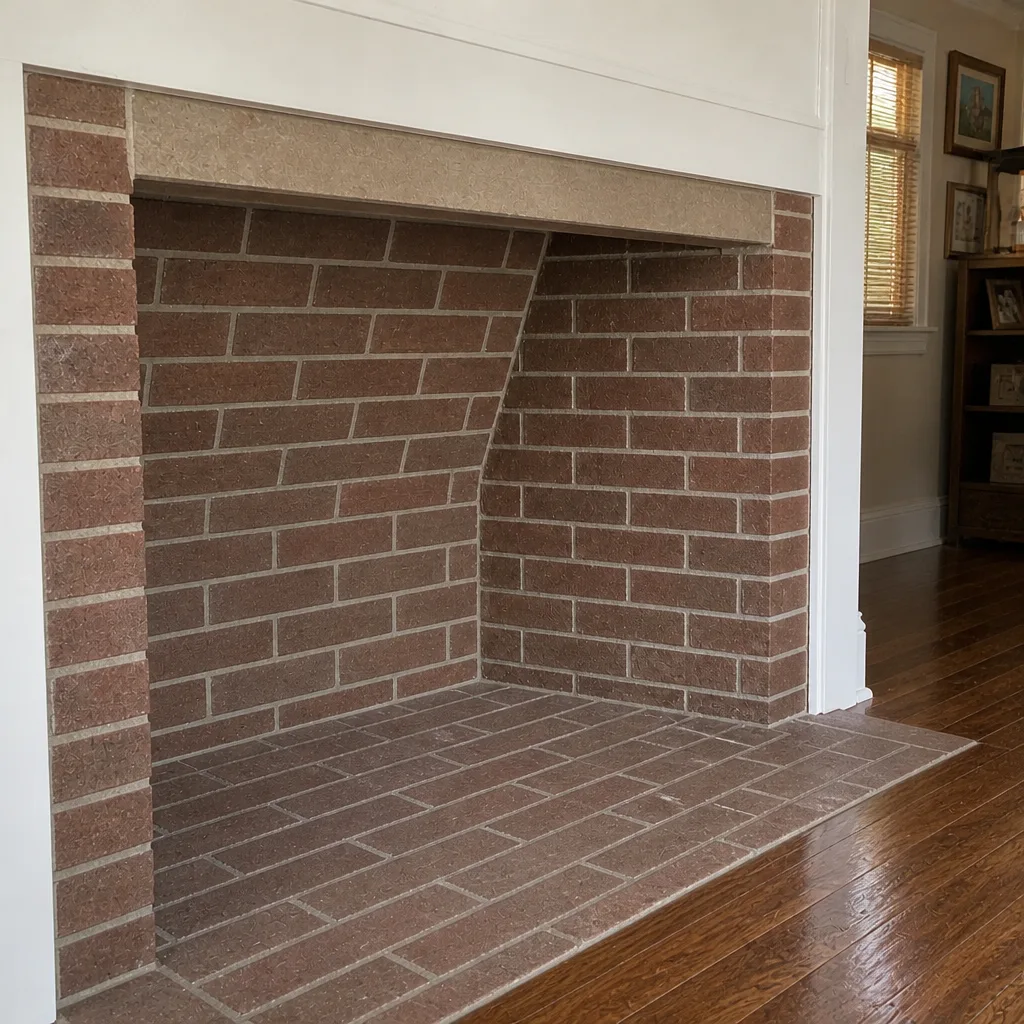
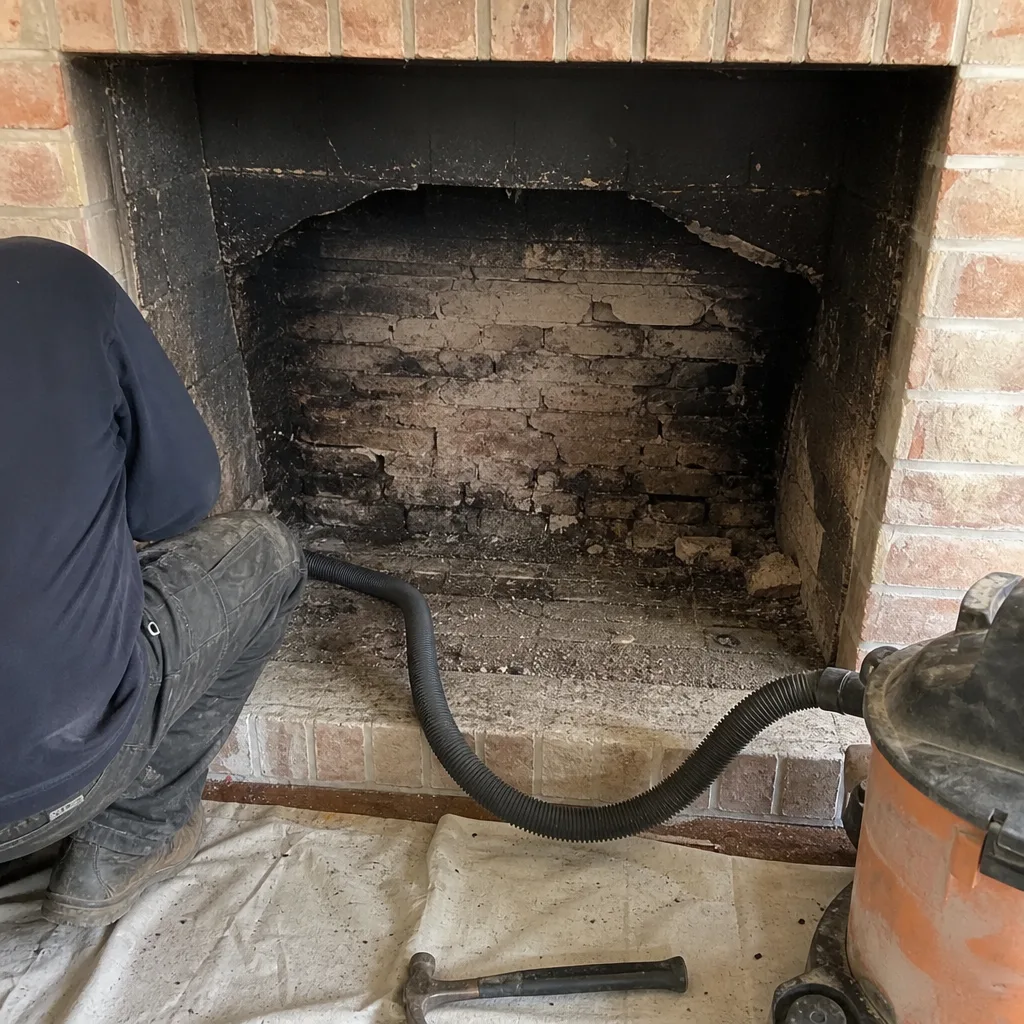
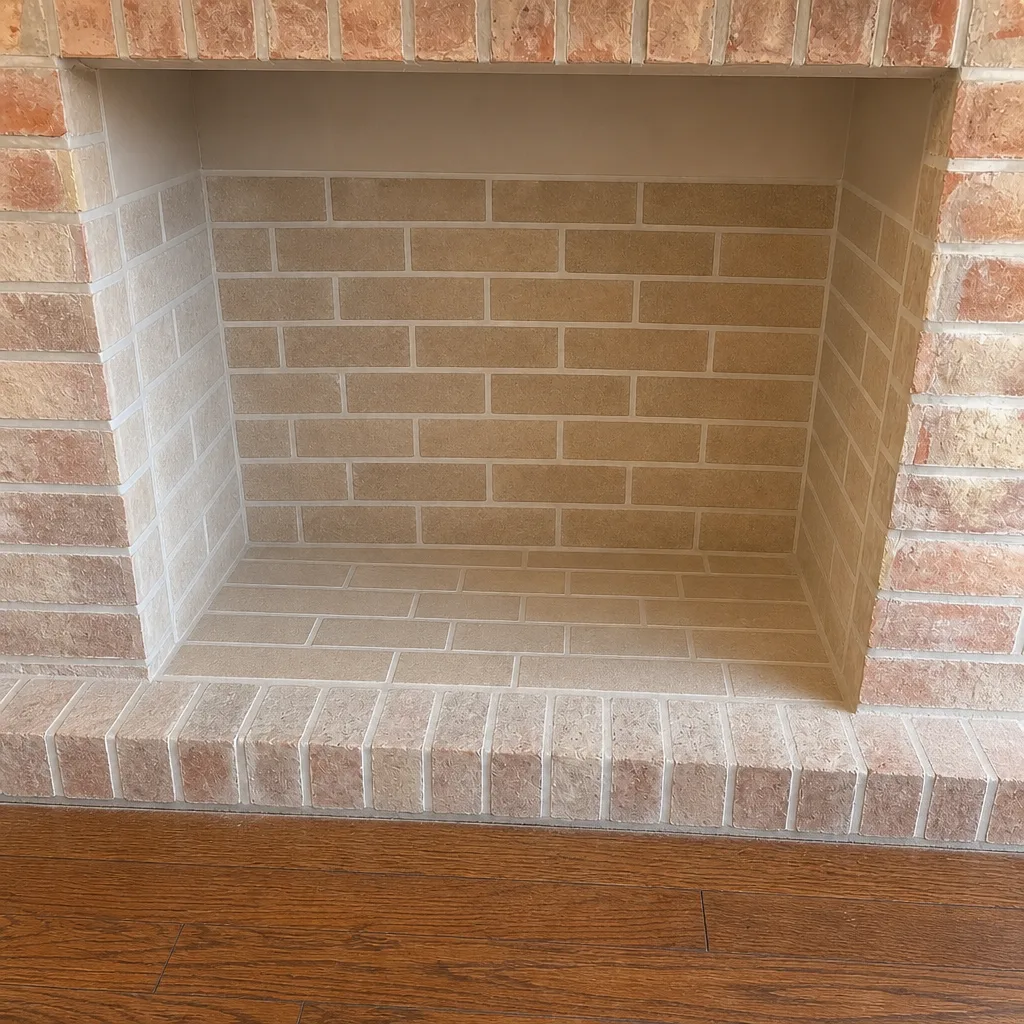
See the difference
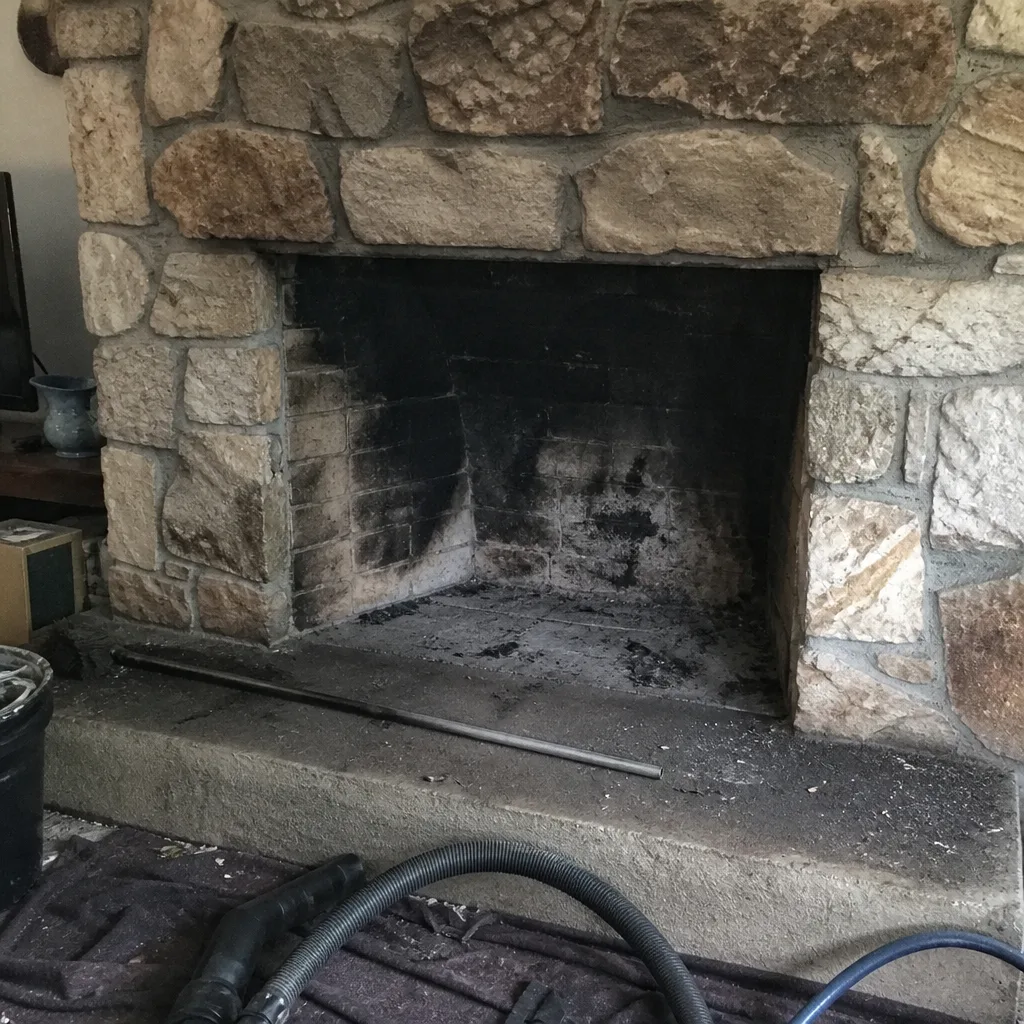 Before
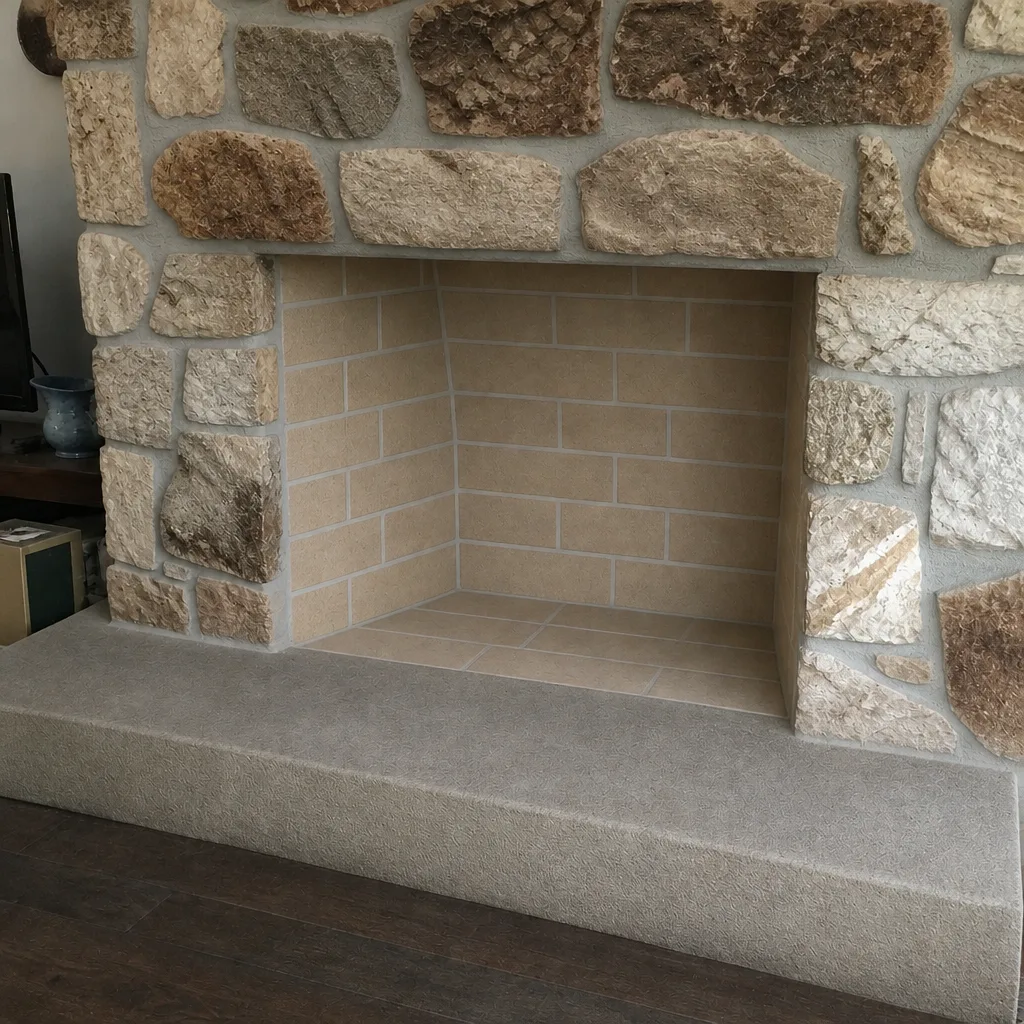 After
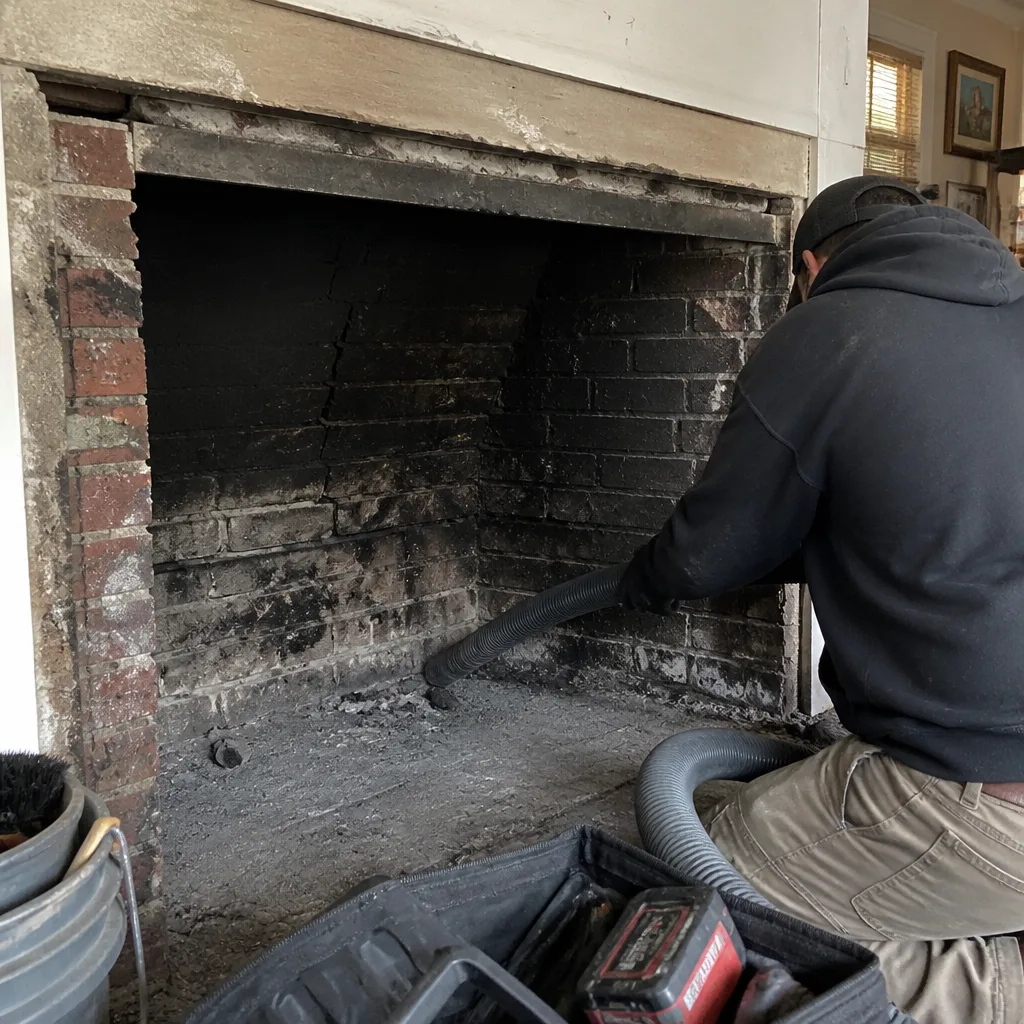 Before
 After
 Before
 After
When to Call a Professional
Some chimney situations are routine, and some call for a trained contractor promptly. Call a professional if you smell a strong creosote odor in the house, if smoke backs into the room when you burn, if you see staining or crumbling on the masonry outside, or if it’s been more than a year since the last inspection. If you’ve had a chimney fire, even a small one you think went out on its own, get it inspected before you burn again, because a fire can crack a liner in ways you can’t see. If you’ve just moved into a Lake City home and don’t know the chimney’s history, book an inspection before the first fire. Chimney Sweep Lake City offers free estimates in Lake City – call (833) 703-5416. We answer 24/7. Fast dispatch from 7am to 7pm, Sunday through Friday.
The stakes are real, and it’s worth being plain about them. A blocked or damaged flue can let carbon monoxide back into the house, and creosote buildup is what fuels chimney fires. Those are the reasons an inspection matters, not a sales line. When you’re ready to address a fireplace repair or a full relining, get it done by a contractor who’s licensed for the work and can show you the evidence behind the recommendation.
Frequently Asked Questions
A routine chimney sweep in the Lake City area typically falls in a moderate range for the Seattle region, and the final price depends on the flue, the access, and whether a camera inspection is included. The written estimate sets the exact price before any work begins, so there are no surprises. Call (833) 703-5416 for an exact quote – estimates are free.
Only if the evidence shows your liner is actually deteriorated. A cracked or failing flue liner can let heat and gases into the chimney structure, which is a genuine safety concern, but not every liner needs replacing. Sometimes a HeatShield resurfacing can restore a damaged liner without the cost of full relining, and sometimes the liner is fine and nothing needs doing. Ask to see the camera images and a written report before you decide. Call (833) 703-5416 for an exact quote – estimates are free.
The general rule is once a year, and more often if you burn wood heavily. In a mild Lake City climate where many homes burn less, the annual visit is still worth keeping, because it’s as much about inspecting for moisture damage and deterioration as it is about clearing creosote. A yearly inspection catches small problems before they become structural ones. Call (833) 703-5416 for an exact quote – estimates are free.
No. CSIA certification shows a sweep is trained and tested to clean and inspect a flue, while a Washington state contractor registration is what legally allows a company to perform repair and relining work. You want both when a visit might turn into a repair. Ask for the certification number and the registration, and check them.
Creosote builds up in the flue and becomes fuel for a chimney fire, and undetected damage like a cracked liner or a failing crown gets worse with every wet season. It doesn’t fail all at once; it deteriorates quietly. The longer it goes unchecked, the more likely a small issue turns into a large repair. Call (833) 703-5416 for an exact quote – estimates are free.
A legitimate recommendation comes with evidence: camera footage of the specific problem, a written report naming the component and its condition, and a clear statement of what can safely wait. If a contractor can’t show you the problem in the images, ask them to, and get a second opinion if the explanation stays vague. You should never approve thousands of dollars of work you have no way to verify.
The Bottom Line
Hiring a chimney contractor in Lake City comes down to checking three things before you book: CSIA certification for the sweep, Washington contractor registration for any repair work, and proof the company does its own structural repairs rather than subcontracting them. Once those check out, ask for a camera inspection and a written report you can read, and insist on seeing the evidence before you approve anything. A contractor set up for real chimney work will welcome those questions. If you want a Chimney Sweep Lake City team that handles the whole system, from the cap to the firebox, call (833) 703-5416 for a free estimate. We answer 24/7. Fast dispatch from 7am to 7pm, Sunday through Friday, and we’re closed Saturday.
Our technicians have up to 12 years of experience, and we work with professional-grade systems like DuraFlex and Olympia Chimney because the right product matters as much as the labor. One inspection can tell you whether you need a sweep, a repair, or nothing at all, and we’ll be straight with you about which one it is. Estimates are free.
Written by the team at Chimney Sweep Lake City.